A fix for one of the ocean's deadliest problems for dolphins may cost almost nothing: empty plastic bottles, tied to fishing nets.
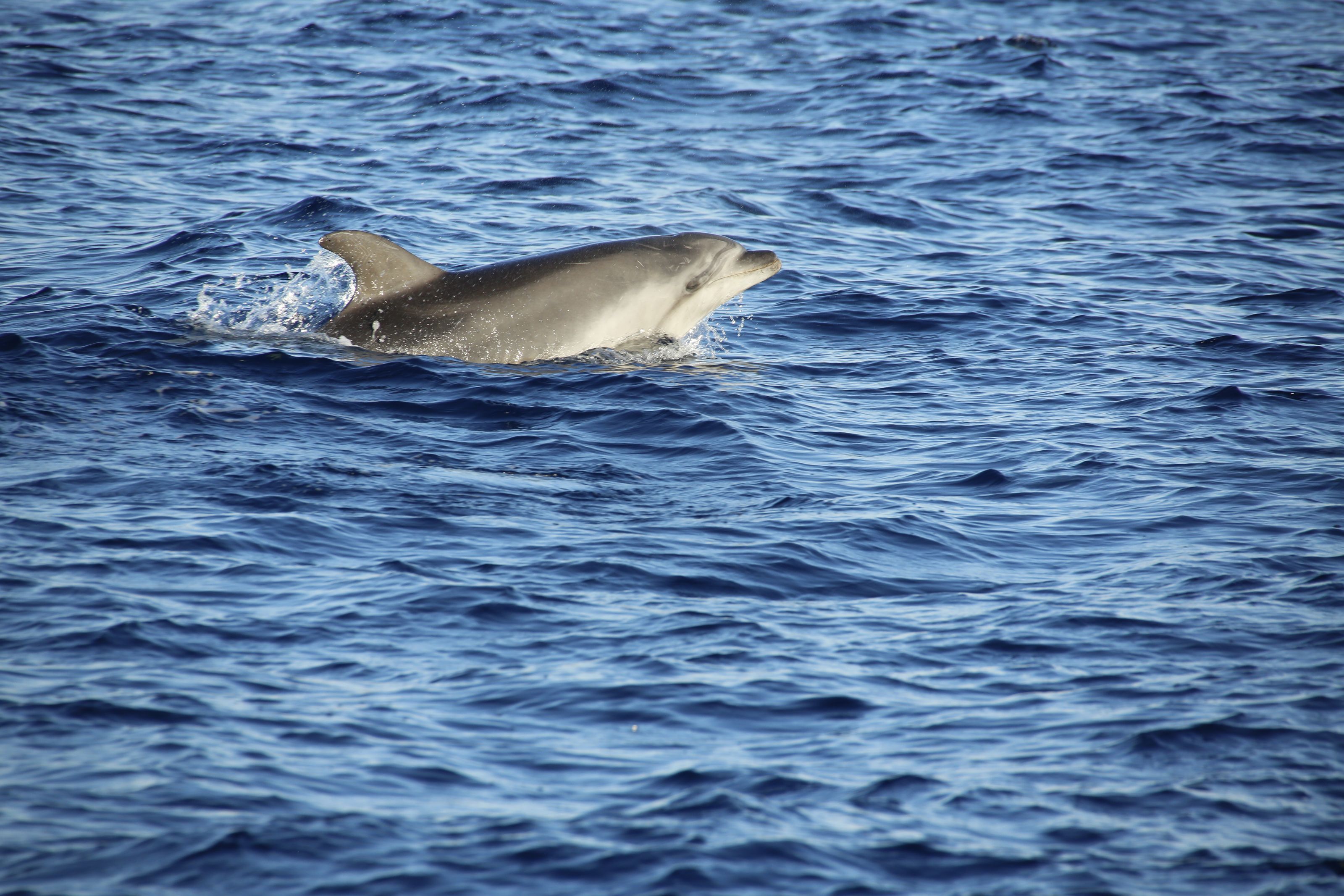
That is the finding of new research out of southern Brazil, where scientists lashed upcycled bottles to bottom-set gillnets as passive acoustic reflectors - cheap sound mirrors that make an otherwise near-invisible net far easier for a dolphin to detect. Across 318 fishing trips tracked between 2020 and 2025, nets fitted with the bottles caught 88 per cent fewer dolphins. Just one franciscana - a species listed as Vulnerable by the IUCN - was caught in the modified nets, against eight franciscana and two bottlenose dolphins in unmodified controls. Target fish catches did not significantly fall.
The results, published in Marine Mammal Science in May, build on years of work by Per Berggren, professor of marine megafauna conservation at Newcastle University, who has championed the idea as a rare win-win.
"This is a good news story and something that we strive for - a simple solution which benefits both dolphins and the fishers who use the gear," Berggren said. "Attaching plastic bottles to fishing nets can reduce dolphin bycatch globally and is something that every fisher can afford."
He put it more plainly elsewhere: "This is genuinely recycling that rescues dolphins."
The physics are straightforward. In lab sound-tank tests, a single bottle made a net between 100 and 1,000 times easier to detect acoustically. "It's also rewarding to know that we are using some of the plastic waste that spoils our oceans," Berggren said, adding that "the bottles are securely attached to the nets and we did not lose any plastic bottle during the trials."
The picture is not uniformly rosy, and the researchers say so. A companion study in Fisheries Research tested bottles across three fisheries - bottom-set gillnets in Brazil and surface driftnets in Peru and Zanzibar - across more than 1,600 net deployments. In the surface fisheries, the bottles did not reduce bycatch of dolphins, porpoises or turtles, though they did appear to increase catches of target fish and tuna.
"The difference we saw in the success of the bottom set nets compared to the nets near the surface, may be that the surface water is a noisier environment reducing the efficacy of the plastic bottle reflectors," Berggren said.
Bycatch in gillnets is a global killer - the leading human cause of death for many small cetaceans - and the appeal of the bottle method is that it asks little of the fishers it depends on. "Gillnets are cheap and easy to use," said Michael Osmond, a senior program officer at WWF-US. "But when turtles and cetaceans get entangled, it becomes a problem for the fishers because they have to cut them out of the net and repair it. This can take up to a day, and they lose a lot of time fishing. Also, the quality of the catch is decreased, which means they get less money."
WWF is now trialling the same approach with fishing communities in Peru, where gillnets can stretch for kilometres. "There are really big offshore gillnets, like three-kilometres long, and the fishers leave the gillnets for about 10 hours at a time," said Piero Uceda, a marine biologist with WWF-Peru. "We started testing plastic bottles in offshore gillnets, and while we don't have results yet, the good thing is that fishers accept being part of the project. The experimental design has been really participatory."
For now the evidence points one way: in the right setting, a discarded bottle worth nothing may be one of the cheapest conservation tools in the water.