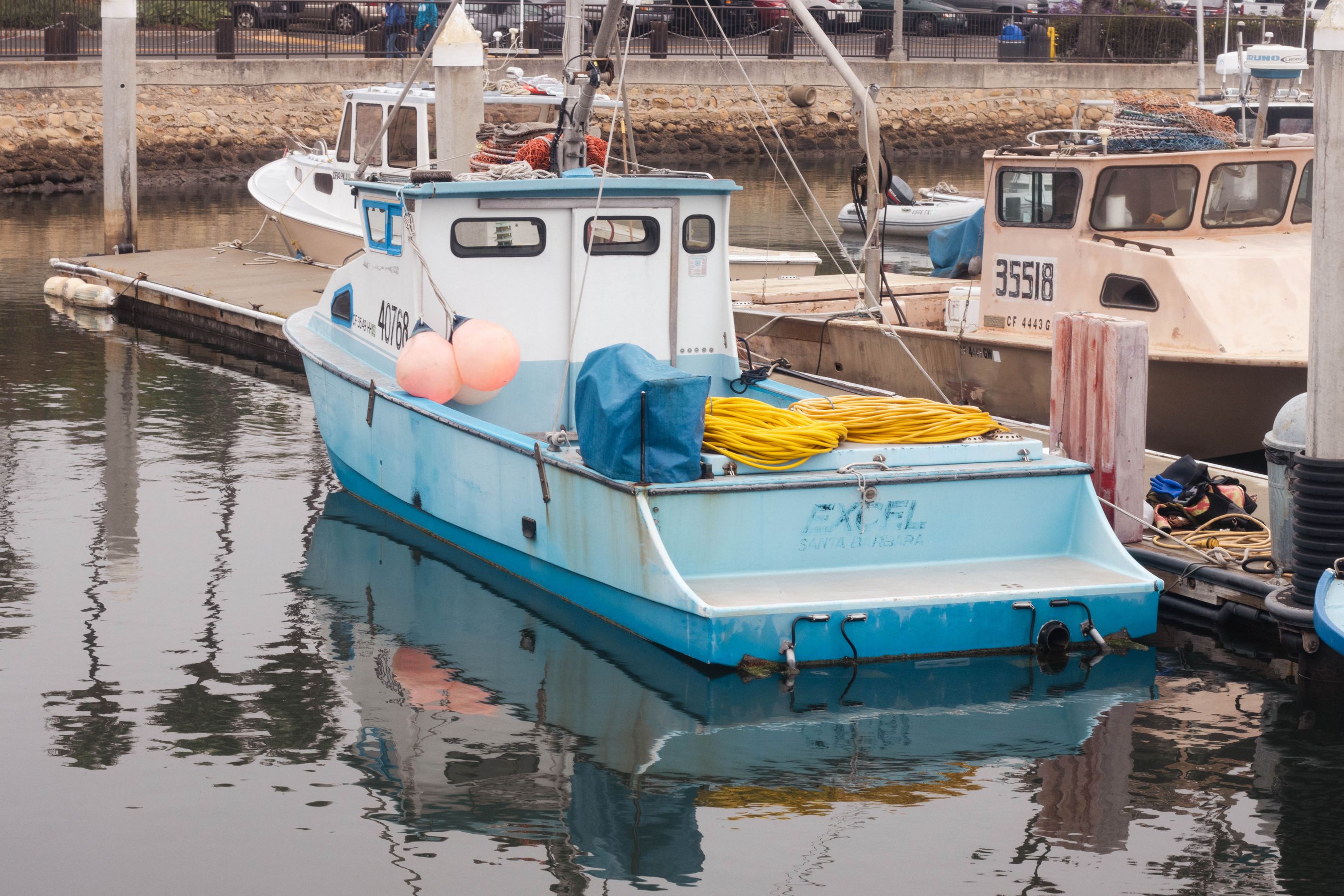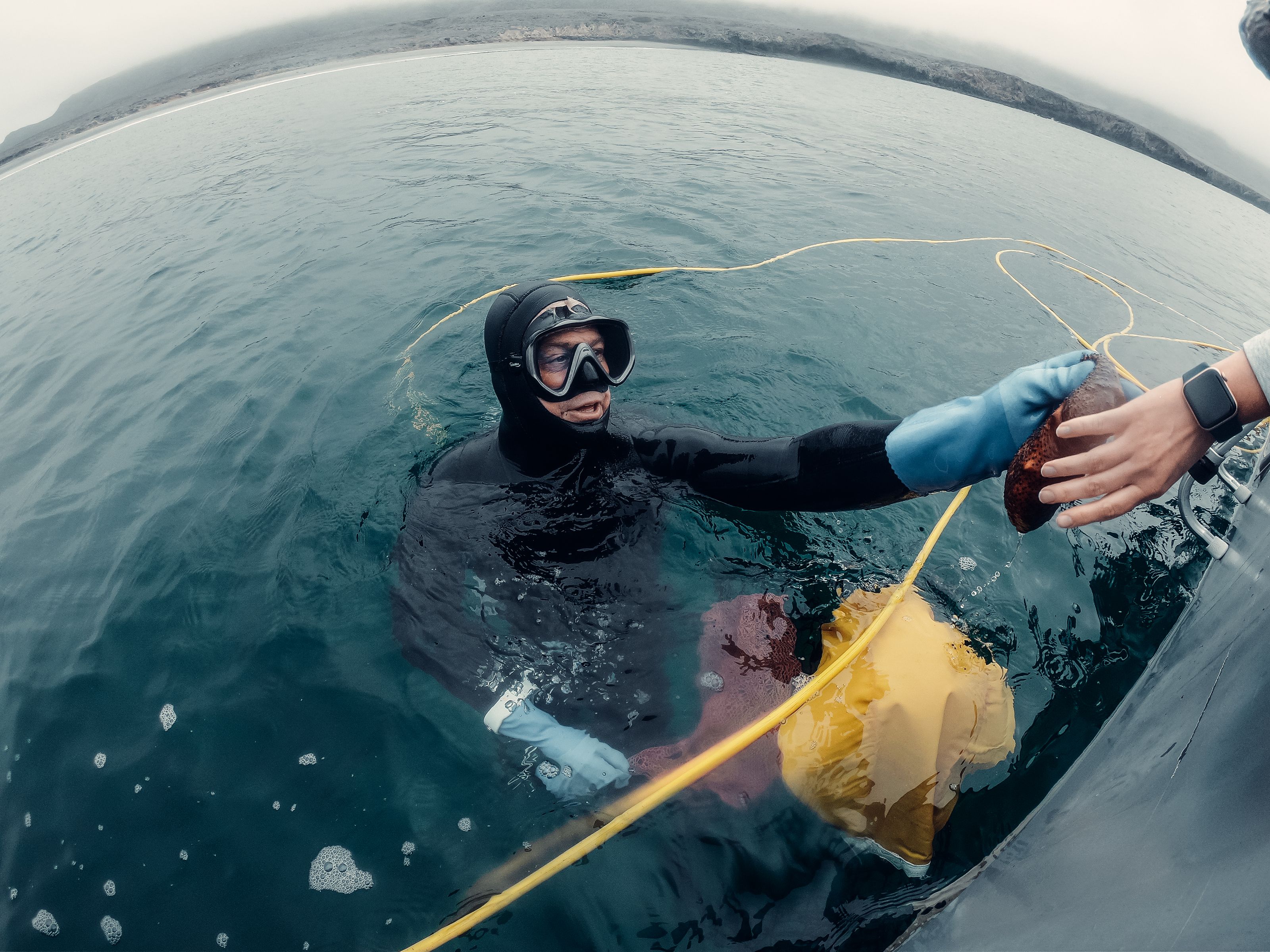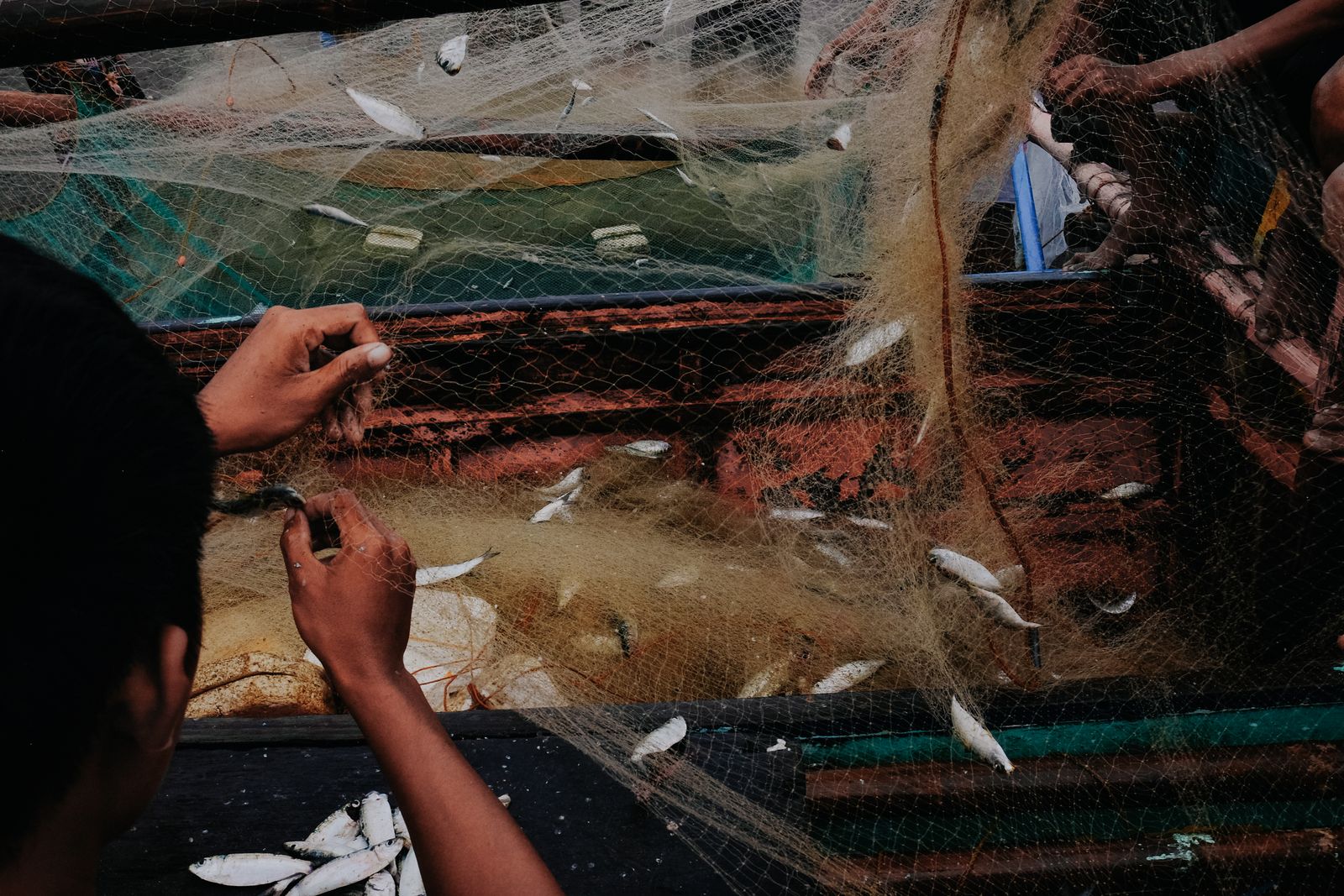
Peru has extended the closure of its biggest anchovy fishery with no firm date to reopen it, a decision that is rippling far beyond the South American coast and into fish farms and feed mills around the world.
The suspension had been due to expire on 10 June but remains in force across much of Peru's northern and central coastline, where the first anchoveta season of 2026 has been repeatedly interrupted. Authorities say the restrictions could be lifted fully, partially or gradually once the Peruvian Institute of the Sea (IMARPE) completes further scientific assessments.
Two problems are driving the shutdown: unusually warm water tied to a coastal El Niño, and a high proportion of juvenile fish turning up in the catch. Peru's Ministry of Production (Produce) says holding the fleet back lets the stock redistribute and keeps boats off areas thick with undersized anchovy, reducing pressure on the next generation of fish.
"The management of anchovy in Peru is based on scientific evidence and adaptive management that allows us to act in a timely and responsible way to protect the resource and ensure its sustainability," said Peru's Minister of Production, César Quispe Luján.
The reason the closure matters so far from Peru comes down to what anchovy becomes. The country is the world's largest producer of fishmeal and fish oil — the protein-and-lipid base of feed for farmed salmon, shrimp and other high-value species. Peru typically accounts for around 20% of global output, so when its boats stay tied up, the whole market feels it.
"Peru accounts for a large share of global fishmeal and fish oil supply, implying that disruptions quickly tighten availability," said Enrico Bachis, market research director at the International Fishmeal and Fish Oil Organisation (IFFO).
The timing sharpens the squeeze. IFFO data shows global fishmeal production fell 21% year-on-year in April, with cumulative output down 26% on the same period in 2025. Fish oil told a similar story, dropping 19% in April and 14% on a cumulative basis. The picture was uneven — Spain logged a 36% cumulative rise and Chile held roughly steady — but Peru, Iceland and the North Atlantic, and several African producers dragged the global figure down.
Bachis traced the latest closure to those warm-water warnings, noting the extended ban first landed in the north-centre of the country on 27 May "as warm water and high juvenile presence suggest a precautionary management of the anchovy biomass." That end date has since come and gone without the fishery reopening.
The disruption isn't Peru's alone. China's domestic marine-ingredient production has been capped by its own fishing bans since 1 May, leaving processors leaning on frozen stock, while blue whiting and sand eel fishing in northern Europe has been thin. Aquafeed makers, IFFO members report, expect June and July to be the most challenging months of the year for margins as cheaper fish already in ponds is harvested and farmers weigh whether to restock.
For Peru, the trade-off is short-term catch against long-term stock. The country has leaned hard on targeted, temporary closures guided by IMARPE's monitoring — the institute recently earned ISO 9001:2015 certification for its anchovy biomass work — betting that protecting this year's spawning keeps the fishery, and the global supply chain that depends on it, intact.