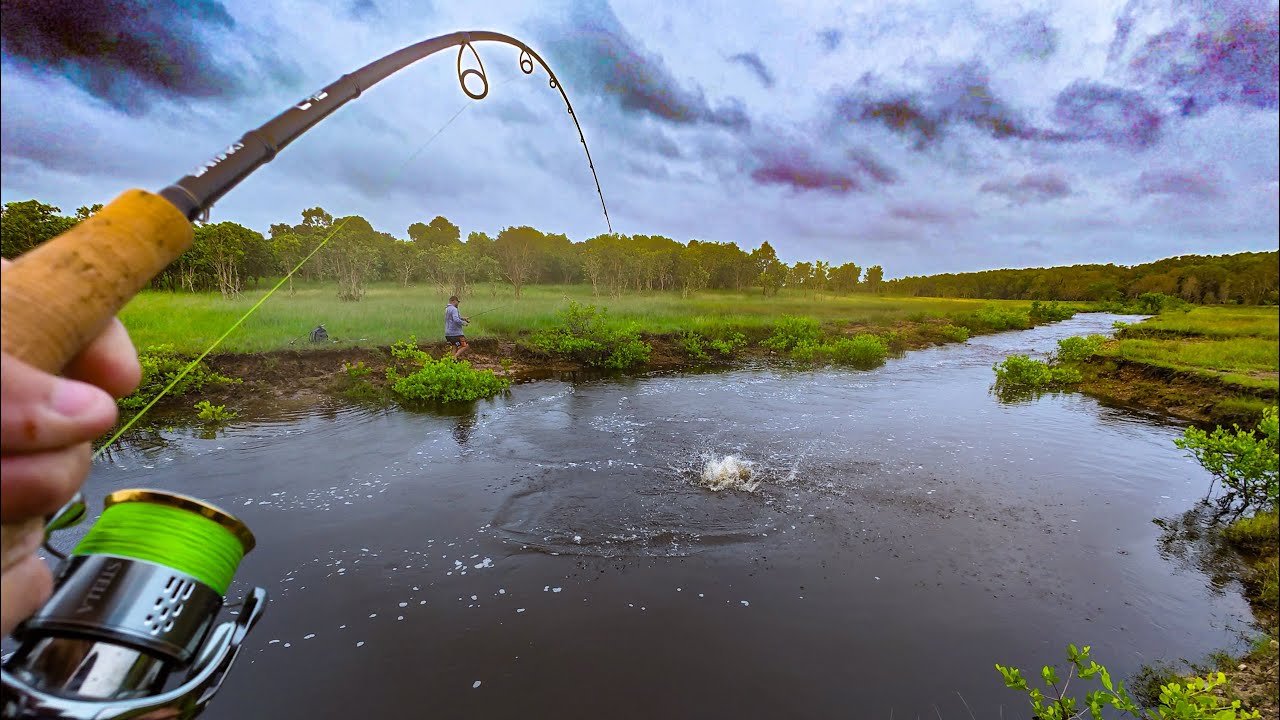
The NSW Department of Primary Industries and Regional Development has reinstated its annual winter closure on Australian bass and estuary perch, with the no-take period running from 1 May to 31 August across all coastal rivers and estuaries.
The closure is a fixture of the NSW recreational fishing calendar, but it remains misunderstood by anglers who have only just discovered freshwater bass fishing. The rules are absolute. From midnight on the first of May, any Australian bass or estuary perch caught in tidal waters, or in the river sections downstream of the major dams, must be released immediately and unharmed, regardless of size.
NSW DPIRD director Ian Lyall framed the closure as a conservation cornerstone rather than a bureaucratic inconvenience. "Over winter, Australian Bass and Estuary Perch move downstream in large numbers, aggregating in estuarine waters where conditions are suitable for breeding," Lyall said.

The migration is the reason the rule exists. Bass and estuary perch are catadromous, meaning the adults move from freshwater into brackish water to spawn. By May, the fish are stacked in the lower reaches of rivers like the Hawkesbury, the Manning, the Hastings, the Bellinger and the Clarence, where their salinity tolerances finally align with the spawning waters they need.
That makes them easy to catch, and that is exactly the problem.
"This migration and spawning phase is critical to the future of these species, and the temporary no-take rule helps ensure they can reproduce successfully without disturbance," Lyall said.
The closure is not new. It has run for decades in some form, but DPIRD has tightened the language in recent seasons to make sure incidental capture is also covered. The current rule does not allow a quiet bend at the boat to keep "just one" fish for the table.
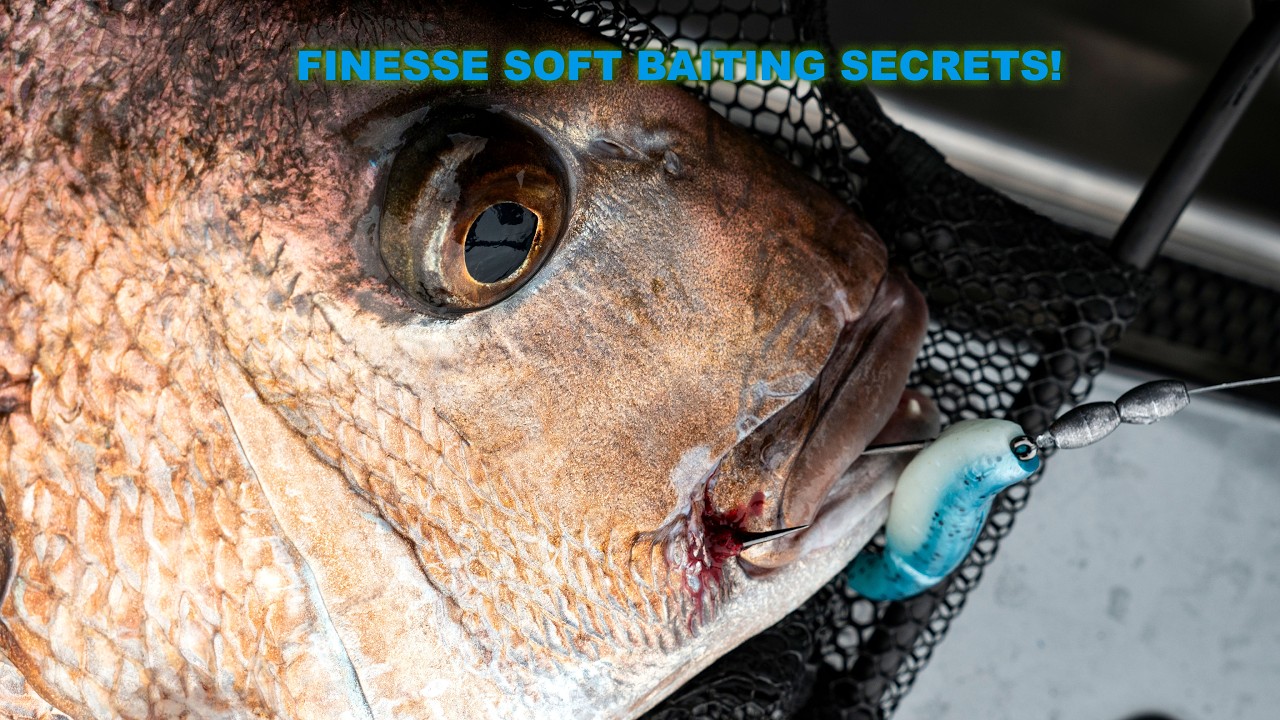
"Any Australian bass or estuary perch incidentally caught during the closure - in estuaries or in rivers downstream of dams - must be immediately released back into the water unharmed," Lyall said.
The closure is geographically specific. It does not apply to stocked freshwater impoundments such as Glenbawn, Glennies Creek, St Clair and Lostock, or to the river sections above the major dam walls. Anglers who target the impoundment-stocked bass populations can keep fishing through winter under the standard bag and size limits, although water temperatures in those upland systems usually shut the bite down anyway.
For estuary anglers chasing other species through the closure, the practical advice is simple. Switch lures to less bass-friendly profiles where the species cohabits, lift treble hooks where possible, and keep handling time to seconds rather than minutes. The fish are spawning. Every additional minute of stress is one less brood.
DPIRD describes the rule as a "proven conservation measure that supports the long-term health of Australian Bass and Estuary Perch populations" and Lyall closed with the line that, in the agency's eyes, settles the conversation entirely.
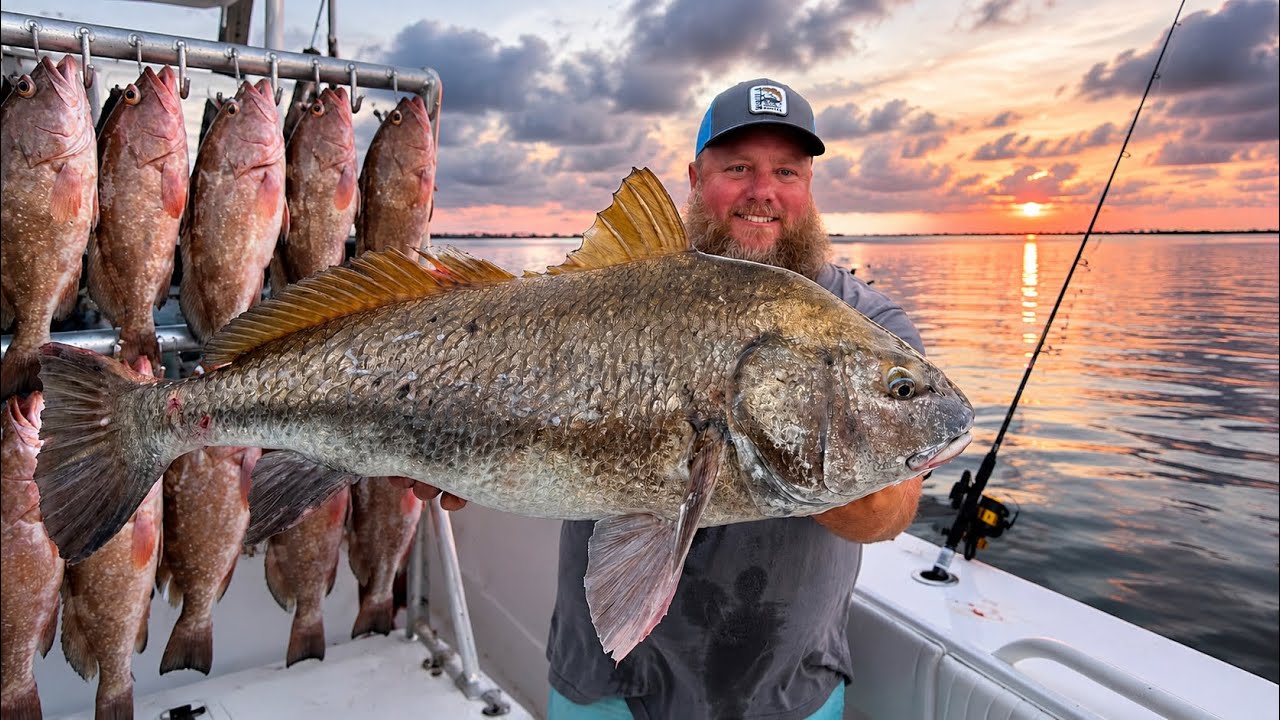
"Protecting these fish at such a vulnerable stage is key to maintaining strong populations into the future."