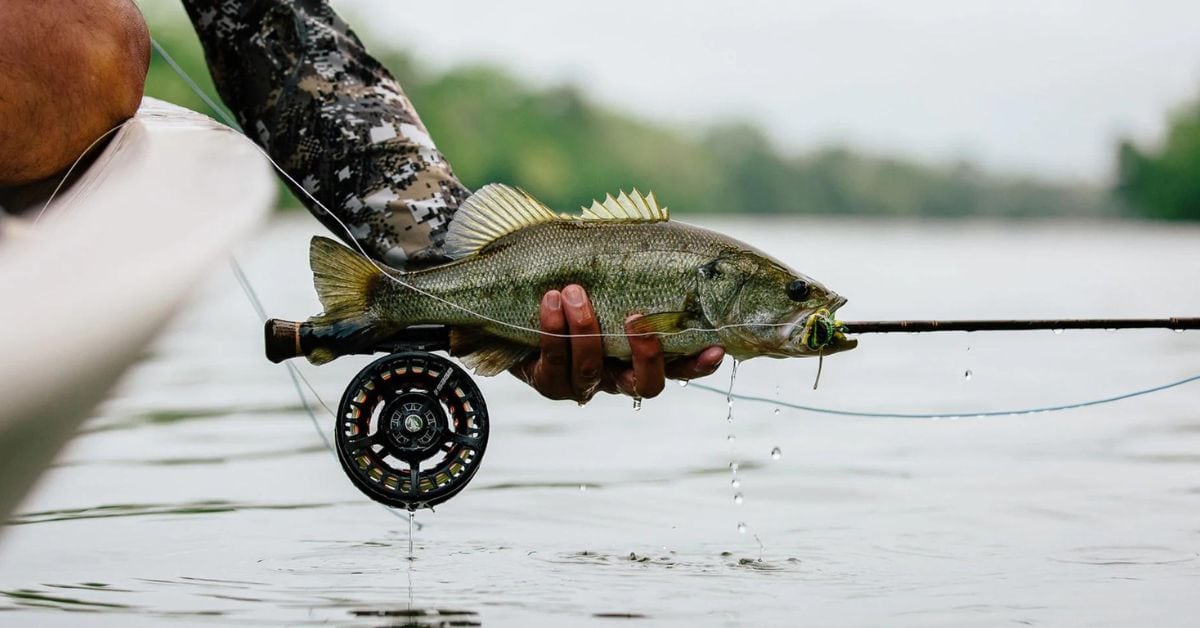
In the world of angling, where success often hinges on the smallest details, one truth has remained constant across generations: worms continue to reign supreme as the most effective bait option available to fishermen. From weekend hobbyists to seasoned professionals, anglers consistently turn to these versatile creatures to improve their catch rates across a wide variety of fishing scenarios.
"Worms are quite possibly the best bait we have available to us," said fishing expert John Green, reflecting a sentiment shared by countless anglers who have witnessed firsthand the remarkable effectiveness of this natural bait option. The appeal lies not just in their proven track record, but in their ability to attract virtually every species of fish that swims in both freshwater and saltwater environments.
"Worms are quite possibly the best bait we have available to us,"

The science behind worms' effectiveness as bait involves multiple factors that work in harmony to trigger fish feeding responses. According to marine biologist Dr. Henry Johnson, the secret lies in their natural movement patterns. "Fish are naturally drawn to the vibrations and disturbances this creates, which signal low-energy meals," Johnson explained, noting how worms mimic distressed or injured prey through their characteristic wriggling motions.
"Fish are naturally drawn to the vibrations and disturbances this creates, which signal low-energy meals,"
Equally important is the scent factor that worms bring to the fishing equation. Dr. Linda Baker, an aquatic ecologist, emphasized this crucial element: "Fish can detect the smell of worms from afar, enhancing their feeding instinct." This natural odor trail acts as a dinner bell, drawing fish from considerable distances toward the angler's hook.

The variety of worm types available gives anglers the flexibility to tailor their approach based on target species and fishing conditions. Earthworms, perhaps the most traditional choice, have earned their reputation through consistent performance in freshwater environments.
Race Results
Race Results
Race Results
"Earthworms are especially great for freshwater fishing and can attract bass, trout, and panfish," noted avid angler Lucy Martinez. These versatile baits can be used whole for larger fish or cut into smaller pieces when targeting smaller species, with bottom fishing typically yielding the best results.
"Earthworms are especially great for freshwater fishing and can attract bass, trout, and panfish,"
For anglers seeking bigger catches, nightcrawlers represent the heavy artillery of the worm world. Fishing guide Mark Resnick has built his reputation partly on knowing when to deploy these larger, more robust worms. "When I'm targeting larger fish like catfish or bass, nightcrawlers are my go-to, especially in deep waters," Resnick stated. Their superior size and extended activity level make them ideal for situations where anglers need bait that can attract fish from greater distances.
"When I'm targeting larger fish like catfish or bass, nightcrawlers are my go-to, especially in deep waters,"
On the opposite end of the spectrum, mealworms excel in finesse fishing situations where subtlety makes the difference between success and failure. Seasoned angler Jenna Lowry has found particular success with these smaller baits: "For fishing smaller species like trout or bluegill, mealworms can't be beaten." Their diminutive size makes them perfect for shallow water applications, typically paired with small hooks and bobbers for optimal presentation.
The modern angling world has also embraced technological advances in the form of artificial worms, which provide many of the same benefits as live bait while offering additional advantages. Innovative angler Kyle Perkins has become a convert to these synthetic alternatives. "Artificial worms have revolutionized fishing for me; they're durable and versatile, making them perfect for any scenario," Perkins explained. These lures eliminate the maintenance requirements of live bait while still providing the visual appeal and action that trigger fish strikes.
"Artificial worms have revolutionized fishing for me; they're durable and versatile, making them perfect for any scenario,"
Race Results
Race Results
Successful worm fishing extends beyond simply selecting the right type of bait. Veteran angler Tom Harris stressed the critical importance of proper hook selection, warning that mismatched combinations can lead to disappointing results. "Using a hook that mismatches the worm size can lead to poor outcomes; too small might result in gut-hooked fish, while too large won't hook properly," Harris cautioned.
"Using a hook that mismatches the worm size can lead to poor outcomes; too small might result in gut-hooked fish, while too large won't hook properly,"
Race Results
The adaptability of worms to different fishing techniques and environments helps explain their enduring popularity among anglers of all skill levels. Whether pursuing aggressive predators in deep water or delicately presenting to finicky fish in shallow areas, worms offer solutions that consistently produce results.
This versatility extends to seasonal fishing as well, with worms remaining effective throughout the year as water temperatures and fish behavior patterns change. Their natural appearance and scent profile continue to trigger feeding responses even when fish become more selective during challenging conditions.
For newcomers to the sport, worms provide an accessible entry point that doesn't require mastering complex techniques or investing in expensive specialized equipment. The straightforward nature of worm fishing allows beginners to focus on fundamental skills while still enjoying success on the water.
As fishing continues to evolve with new technologies and techniques, the humble worm maintains its position as an indispensable tool in every angler's arsenal, proving that sometimes the most effective solutions are also the most natural ones.