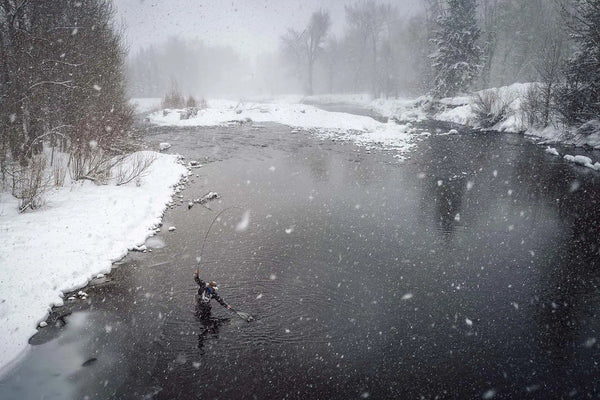
As winter tightens its grip, the world of trout fishing undergoes a transformation. Frosty mornings and a tranquil landscape characterize the season, but beneath the icy surface, trout remain active, albeit with fewer and more strategic feeding opportunities. Anglers willing to embrace the cold can find winter fishing to be tremendously rewarding—technical, quiet, and surprisingly fruitful.
"For anglers who embrace the cold and refine their tactics, it can be one of the most rewarding times of the year—technical, quiet, and surprisingly productive," explained an industry expert. In winter, conditions drastically change, requiring specific adaptations to catch trout effectively.
The cold seasons bring about significant behavioral shifts in trout. As water temperatures plunge, their metabolism slows down, pushing them into a survival mode where they tend to feed less aggressively. Unlike in warmer months, these fish move far less and favor energy-efficient meals. Instead of searching for food, they wait for it to come to them.

"Trout still eat every day—just with a different set of rules," noted a seasoned angler. In winter, trout prefer to position themselves in deeper pools, inside bends, and slow seams, which offer comfortable environments with fewer currents and more stability. These spots not only provide a refuge from temperature changes but also ensure a consistent food supply.
As for what they consume, winter hatches may not dazzle, but they remain reliable. Midges lead the charge in the trout diet, supplemented by small mayfly nymphs and occasional aquatic worms or eggs. A typical trout that might chase a meal a foot in the summer will limit its movement to mere inches when it's cold.
"Instead of chasing larger, fast-moving prey, trout wait for small, consistent food drifting naturally at their level," said a fishing analyst, providing insight into the nuances of trout behavior during colder months.
In addition to food availability, the light conditions in winter also play a crucial role. Factors such as cloud cover and slight increases in temperature can open short yet productive feeding windows. "Even a one-degree rise can make the difference between dormant fish and actively feeding ones," added an experienced guide. During these times, trout might congregate, increasing the chance of catching multiple fish in one spot if an initial bite is observed.
With this understanding of trout behavior, adapting tactics is essential for success. "Winter doesn’t reward doing more—it rewards doing the right things well," emphasized one local guide. Small adjustments can have significant impacts. Anglers must focus on their position, the drift of their fly, and the type of water they are fishing.
#### Follow the Food
To improve catches, anglers must adapt by identifying where trout are likely to feed. As water temperatures decrease, targeting slower currents becomes vital. "If you’re not targeting that softer water, you’re fishing ‘around’ the trout, not to them," cautioned a veteran fisherman who regularly braves the winter months.
It is advisable to keep things simple with fly selections in winter. According to experts, "In winter, think small and simple: a heavier anchor nymph paired with a tiny midge or mayfly dropper will cover most situations."

#### Stealth and Subtlety
During the chilly season, clear flows amplify any errors made by anglers. With fewer insects available, trout have ample time to scrutinize offerings. "Long leaders, light tippet (5X–6X), and soft presentations become critical," noted a fishing instructor. The key to success often lies in the subtle cues—a mere pause or slight indication on the line can reveal a potential bite.
"Treat every drift like it’s your last," emphasizes a passionate angler. Recognizing the unique behaviors and characteristics of winter trout can help navigate the cold waters more effectively, increasing the odds of making a successful catch.
Conclusion
As winter establishes itself, it brings unique challenges and opportunities for trout anglers. Understanding trout behavior and adapting fishing techniques make all the difference. With attention to subtlety and the right approach, winter fishing can yield rewarding experiences that rival any season. No matter the weather, there's always a chance to catch that perfect trout beneath the icy surface.