Fly fishing in lakes offers anglers a serene and fulfilling experience, challenging their skills in still-water environments. Unlike the fast-moving rivers and streams, lakes require a unique set of strategies for catching fish. This endeavor not only enhances one's fishing skills but also deepens the connection to nature, presenting a chance for memorable catches. Whether you're just starting out or you’re a seasoned pro, understanding fish behavior, selecting the right flies, and mastering casting techniques in lakes can elevate your fly fishing game.
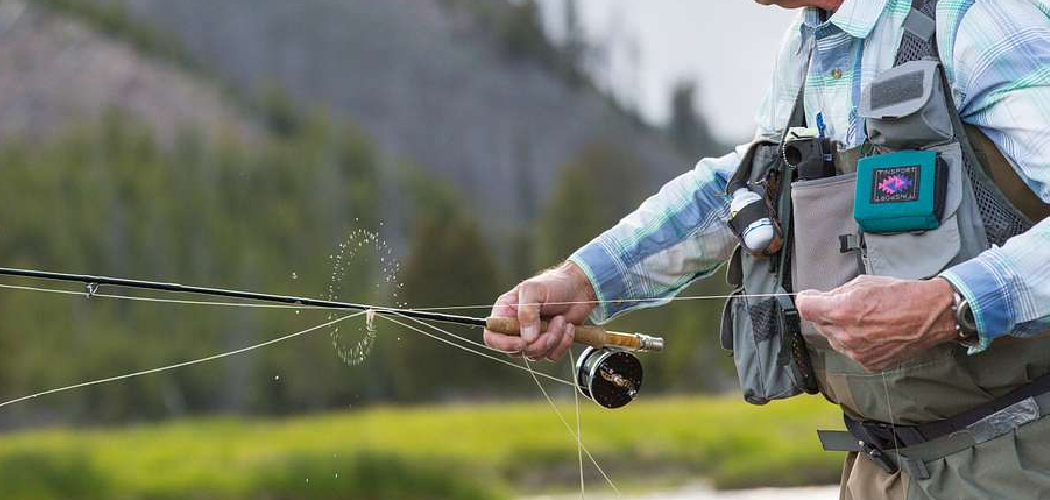
Essential gear plays a critical role in your fly fishing success. Jennifer Branett, a knowledgeable writer in the field, emphasizes the importance of having an appropriate setup. "A 9-10-foot fly rod with a medium-fast action is ideal for still water environments," she stated, highlighting that the longer rod assists in making longer casts, while the action provides sensitivity needed for larger fish.
Moreover, your reel must also accommodate these still-water conditions. "Choose a reel that can hold at least 100 yards of backing," said Branett, continuing that this is essential due to the expansive room lake fish have to run compared to river species. A smooth drag system is also imperative for effectively managing the fight when a fish is on the line.
When it comes to fly line, picking the right type depends on the depth and clarity of water. As Branett pointed out, "A floating line is the most common choice for fly fishing in lakes, but an intermediate sinking line can be beneficial depending on conditions." Also critical to your success is the leader and tippet; a longer leader of 9-12 feet with a 4-6X tippet offers the stealth needed for effective fly presentation.
A diverse selection of flies is indispensable, as fish can be particular about their dietary options. Branett recommends a wide array of flies, stating, "Some effective patterns include nymphs, streamers, and dry flies such as mayflies and caddisflies. Matching the size and color of your fly to local food sources increases the chances of attracting fish."
As you prepare for a day on the water, the journey begins with careful research and scouting of your chosen lake. "Understanding the lake's conditions, like depth and structure, can significantly influence your success," reminded Branett, urging anglers to utilize maps or fish-finding apps to pinpoint hotspots. Observing the water beforehand helps gather intel about water clarity and surface activity, all critical for setting the stage for a successful outing.
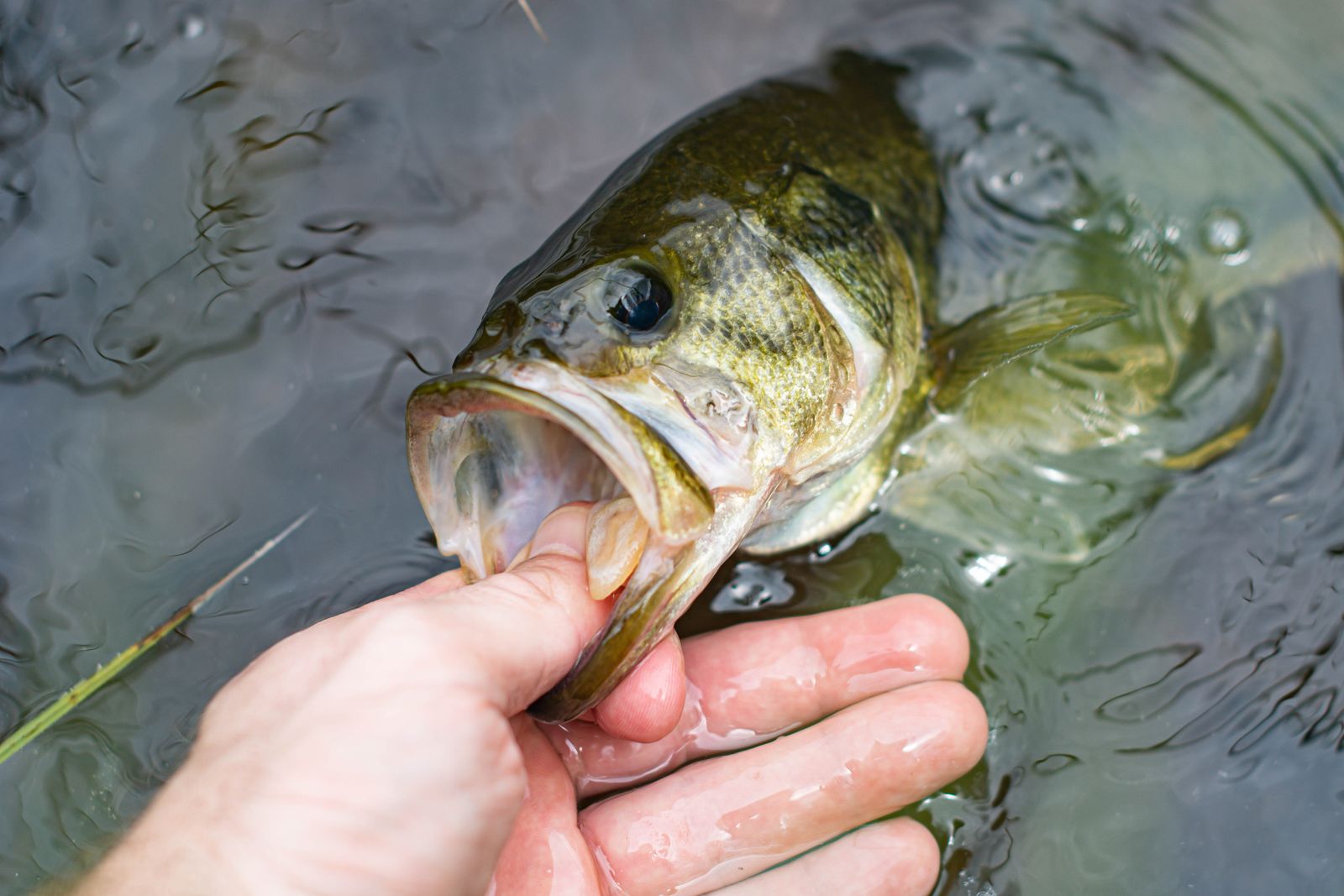
Identifying your target species is another pivotal part of the preparation. Different fish exhibit unique preferences regarding depth, food, and temperature. "Knowing what you’re fishing for will guide your fly selection and fishing spots," Branett stated. For instance, trout often inhabit cooler, deeper waters near drop-offs, while bass favor shallower, weedy regions.
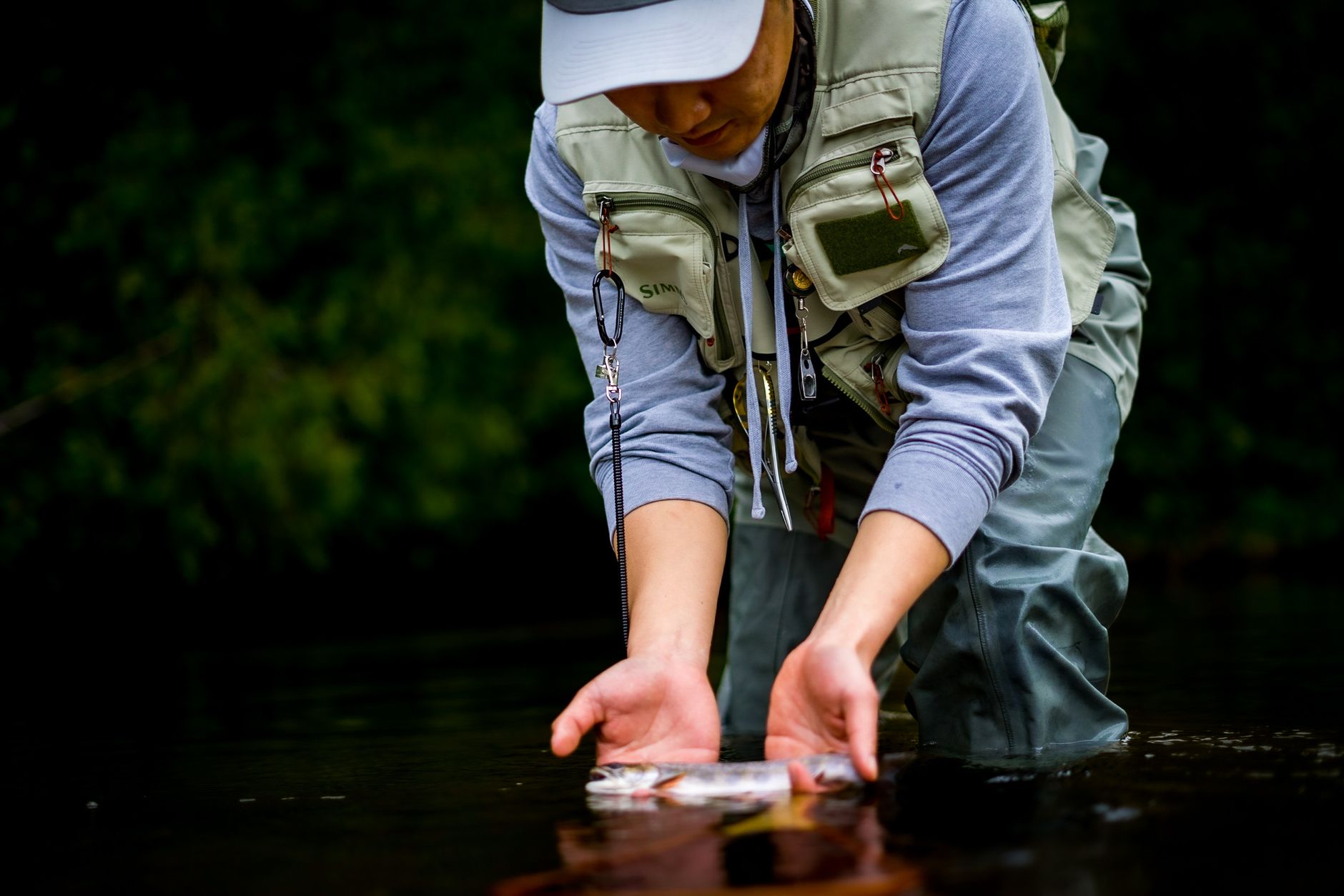
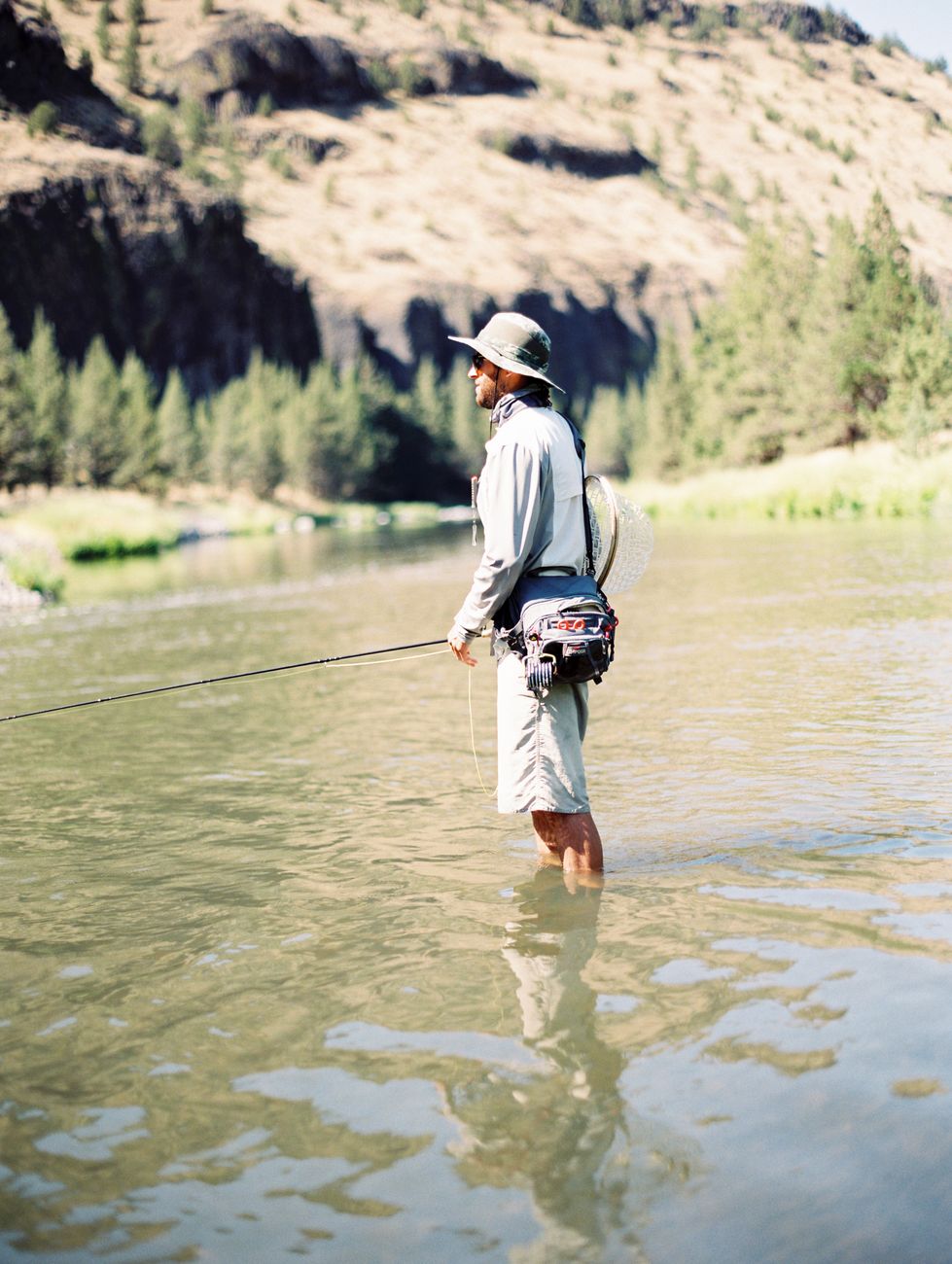
Positioning yourself strategically is vital to maximizing your efforts. "While in rivers or streams you can move with the current, still-water environments require thoughtful planning," noted Branett. Standing on higher ground can enhance visibility and allow for longer casts, thus improving your chances of success.
Choosing the appropriate cast enhances the effectiveness of your presentation. As lakes typically see fish that hold in place rather than chase bait actively, the strategy shifts. "You need to be much more accurate with your casts than in moving water," Branett advised, emphasizing that precision casting could significantly increase your hook-up rates.
Each step, from initial research to the final cast, plays a crucial role in the fly fishing experience in lakes. By understanding the nuances of still-water fishing, anglers can optimize their efforts and enjoy a peaceful day on the water while enjoying the excitement of landing a fish.
In conclusion, fly fishing in lakes requires a thoughtful approach that combines the right equipment, strategic planning, and an understanding of fish behavior. With the right knowledge and preparation, anglers can look forward to a rich and rewarding fishing experience.