Flounder fishing captivates many anglers, especially when targeting these elusive creatures in tidal waters. Employing advanced jigging techniques can significantly enhance your fishing success. Flounder, known for their bottom-dwelling habits, prefer sandy or muddy sea floors where they can easily ambush passing prey. Tidal waters offer the ideal environment, providing both shelter and a rich food supply for flounder, making the mastery of jigging essential.
"Understanding a flounder's behavior in tidal waters is crucial," explained Captain Jake Morris, an experienced angler. "These fish are opportunistic predators that use their excellent camouflage and ambush tactics to catch their meals."
In tidal zones, flounder often lie flat on the ocean floor, relying on their acute eyesight and lateral line to sense movements from potential prey like fish and shrimp. The fluctuating nature of tidal waters deeply influences their behavior, pushing flounder to migrate between feeding zones as the tide rises and falls.
Selecting the appropriate bait is paramount. "Matching bait with what flounder typically consume, such as fingerling mullet or mud minnows, can substantially improve your chances of a good catch," said Susan Carter, a local fishing guide.
Anglers should also familiarize themselves with the habitats flounder frequent. These fish favor shallow, coastal waters where they can hide among sand, mud, and vegetation. They thrive in various settings, from bays and estuaries to mangrove swamps. According to marine biologist Dr. Nathaniel Reed, "Flounders’ remarkable ability to blend into their environment makes them particularly elusive."
Current conditions and structural elements play a vital role in flounder habitats as well. Flounder often gather where currents are stronger, drawn to locations with ample food supply, such as rocks, reefs, and sunken vessels. "In tidal waters, it’s essential to recognize these patterns," emphasized Captain Morris. "Flounder are frequently found near inlets and channels where the water flow is more pronounced."
Feeding patterns of flounder revolve around tidal movements. They tend to be most active during rising and falling tides when baitfish and shrimp are carried toward the shore. "Flounder are less likely to feed during slack tides; understanding these intervals is vital for successful jigging," remarked Susan Carter.

The positioning of flounder varies based on both time of day and season. During warmer months, they are typically closer to shore in shallow areas, yet they migrate to deeper waters as temperatures drop. Summer flounder, also known as flukes, are prevalent along the eastern coast of the United States up to Canada, thriving in the sandy habitats of tidal regions. "It’s fascinating how the tides determine their location—flounder tend to move in closer during incoming tides and retreat to deeper waters as the tide recedes," noted Dr. Reed.
Specific times of year, particularly during the spring and fall migrations, present prime opportunities for catching flounder. During summer, you'll find them more active during daylight hours, whereas winter sees them hunting more actively at night. “Understanding these patterns is key,” asserted Captain Morris.
Techniques for catching flounder in tidal regions vary. Anglers often rely on live bait, including shrimp and squid, presented on a jig head or bare hook. Trolling with a motor is also effective in strong current areas. "It’s essential to keep the rod tip as vertical as possible to avoid spooking the flounder," advised Captain Morris.
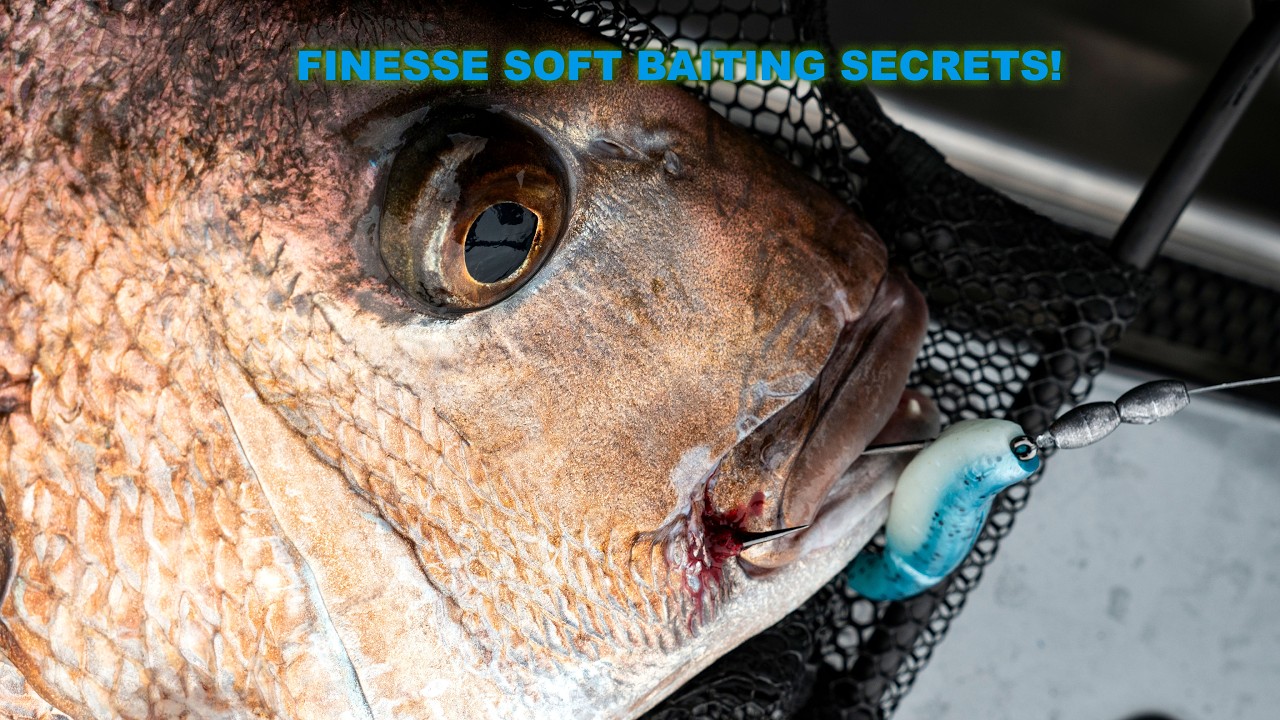
Choosing the right bait and tackle is vital for successful flounder fishing. Fresh shrimp, squid strips, and small fish are particularly effective. A jig head or bare hook, positioned correctly, can entice these opportunistic feeders to strike.
As flounder fishing continues to evolve, understanding their environments and feeding habits enhances the experience. Mastering advanced jigging techniques equips anglers with the tools necessary for successful outings in the captivating world of tidal waters.