Flounder fishing continues to captivate anglers across the coast, thanks to its thrilling nature and the rewarding taste of this flatfish. The unique tactics required to catch this species have been honed over the years, and many experienced fishermen have valuable insights to share.
"When it comes to flounder fishing, location is everything," said John Mitchell, a seasoned angler with over twenty years of experience. He emphasizes that knowing where to set your sights can significantly enhance your chances of success. Typically, flounder are found in estuaries, tidal rivers, and near the mouths of inlets.
According to Mitchell, one of the best methods for catching flounder is fishing on the bottom. "They’re flatfish and tend to lie close to the ocean floor, waiting for prey to swim by," he explained. Using the right weights and bait can make a significant difference in your catch rate.
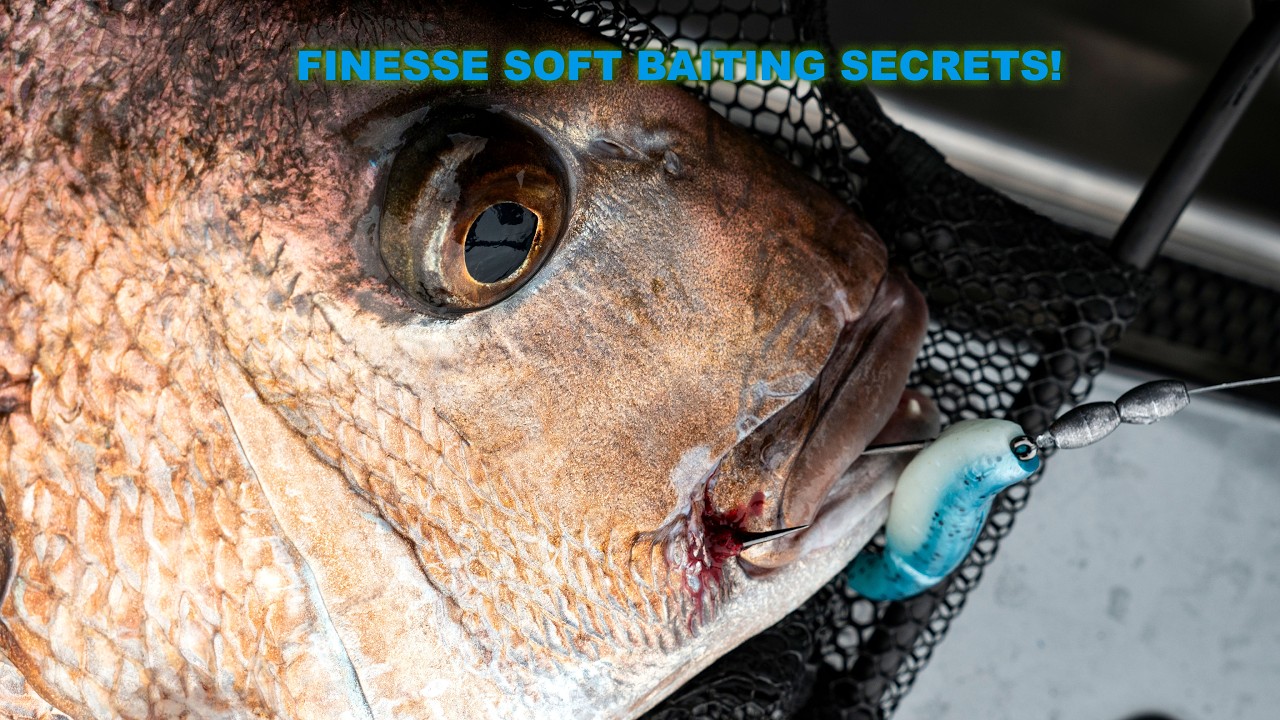
"I always use live bait like minnows or mud minnows, but I've had luck with artificial [lures](/gear/fishing-lure) too," said Sarah Robinson, who runs a local fishing charter. She noted that flounder are opportunistic feeders, so imitating their natural prey is crucial. "A swimming action is key; this will draw them in," Robinson added.
Selecting the right time for fishing is also critical. "Flounder are generally more active during tidal movements, particularly when the tide is outgoing," advised Captain Bill Henderson, who guides flounder fishing trips. The rising and falling tides create a natural flow that can help attract flounder closer to the shore, making them easier to catch.
In addition to timing and bait, the kind of fishing gear used is important. "A light to medium-action rod is ideal because it allows you to feel even the slightest bite," explained Robinson. She also recommended using braided line paired with a fluorocarbon leader, as it provides both strength and invisibility.
"One techinque I find particularly effective is the drift method," said Captain Henderson. "You can cover more ground with minimal effort, allowing you to find where the fish are more active." The drift technique involves letting the current take your bait while controlling the speed to maintain contact with the bottom.

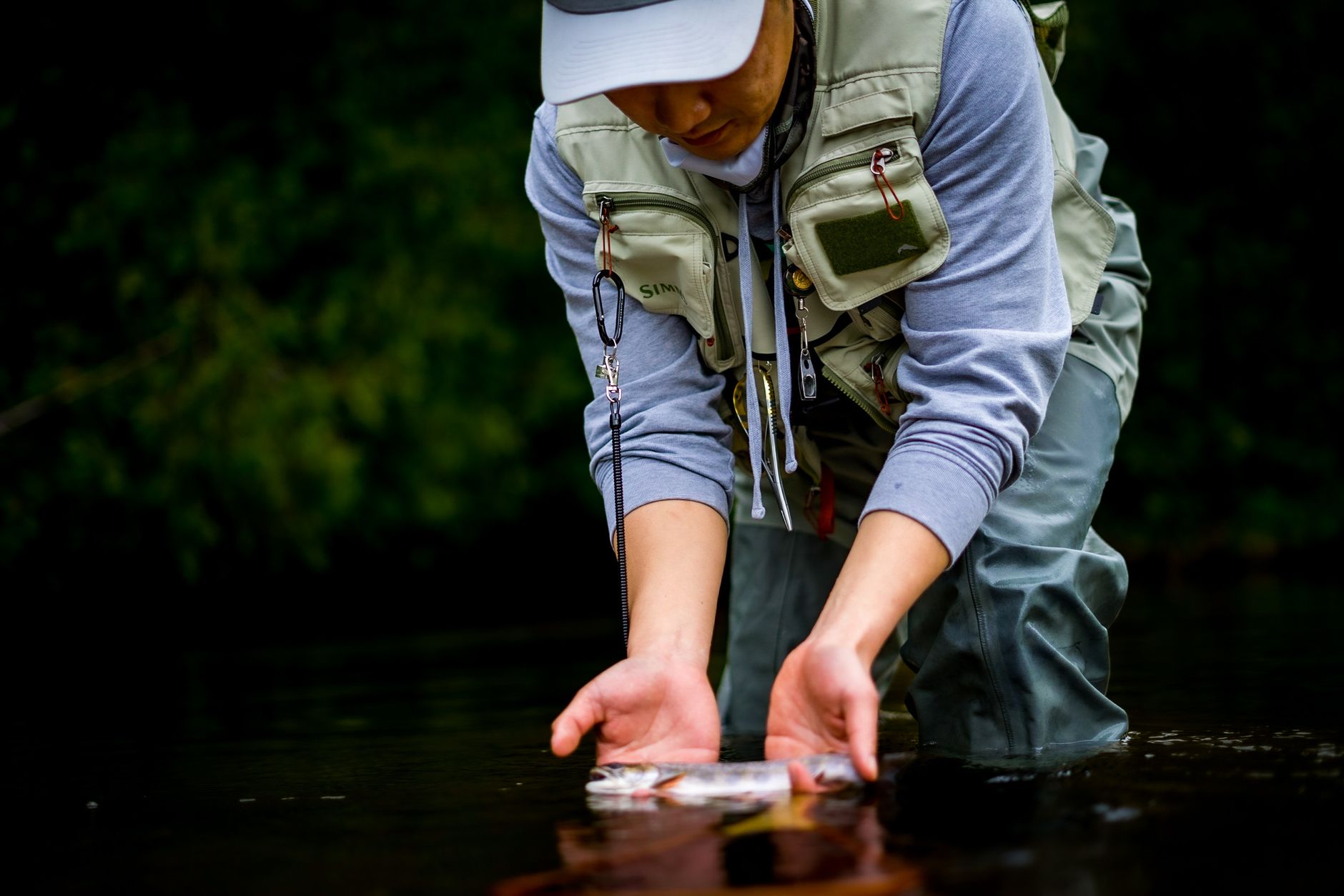
No discussion of flounder fishing would be complete without addressing the issue of conservation. "It's important to be responsible and follow local regulations to ensure we're able to enjoy this sport for generations to come," Mitchell emphasized. He advocates for catch-and-release practices to help maintain healthy fish populations.
Preparation for a successful fishing trip is equally vital. "Always check the tide schedules and weather forecasts ahead of time," advised Robinson. Planning your trip around optimal conditions can significantly improve your chances. Also, bringing necessary gear, food, and plenty of water can make for a more enjoyable day on the water.
Finally, patience is key. "Flounder fishing can involve a lot of waiting, but the thrill of the catch is worth it," said Henderson. "Stay alert, enjoy the process, and appreciate the experience out there."
With thoughtful preparation, clever techniques, and respect for the environment, anglers can enjoy the richly rewarding experience that comes with catching flounder. Each outing offers a new chance to connect with nature, perfect one’s skills, and perhaps even reel in an impressive catch. Whether fishing for sport or for dinner, the adventure remains a cherished aspect of coastal life.