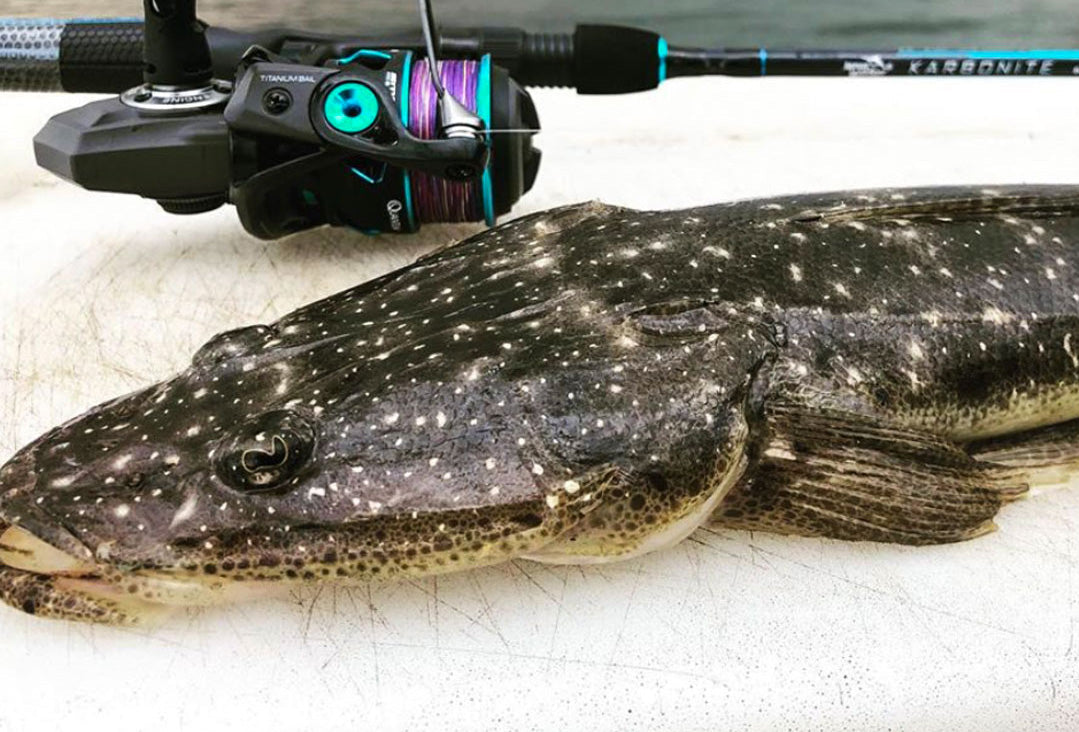
The transition from traditional bait fishing to lure fishing can feel overwhelming, especially for those accustomed to targeting flathead with bait. The sheer variety of lures available raises the question: where do you begin?
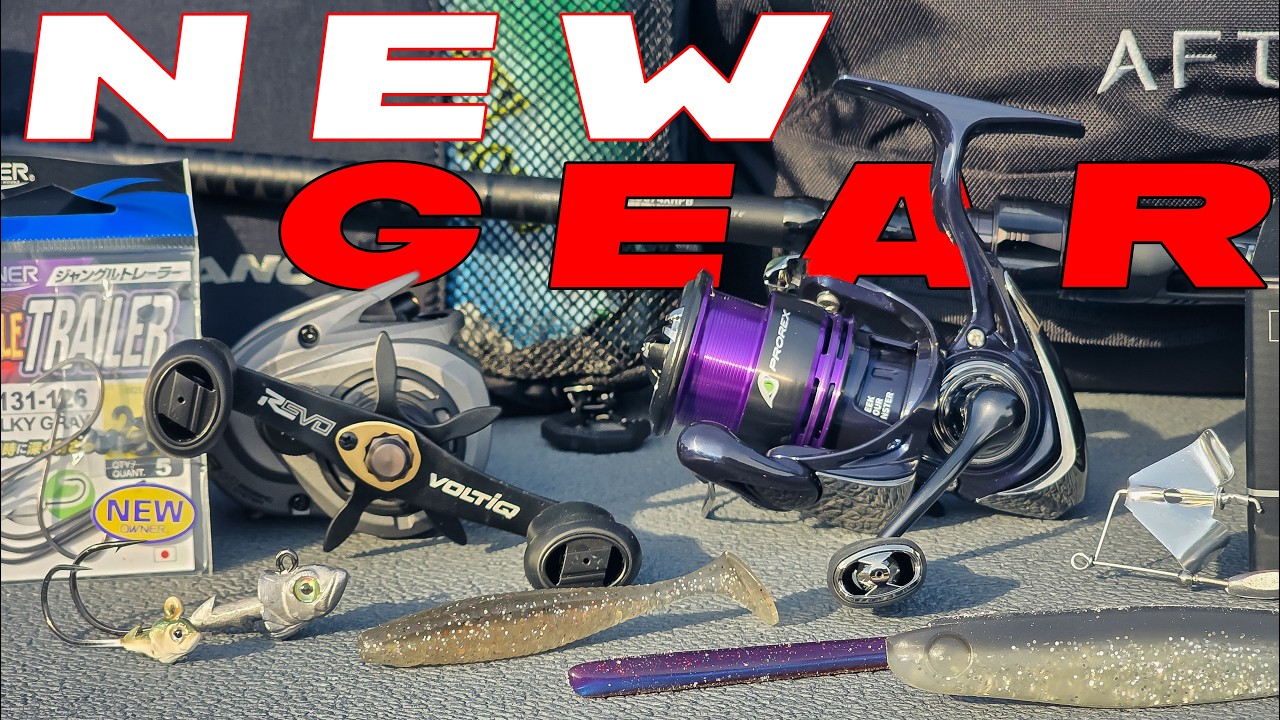
To simplify the process, it's crucial to equip yourself with the right tools. "I use a 7’0” graphite rod suited for lines of 8-12lb, matched with a 2500 size reel," said an experienced angler. These rods and reels come in a range of prices and are widely accessible. It is advisable to spool the reel with 10lb braid, keeping the line tight to prevent slipping off the spool. Additionally, a backing of 10 or 20 meters of monofilament line is recommended to enhance durability.
The choice of braided line is essential, as it offers a thinner profile that reduces resistance when casting. This type of line also delivers superior sensitivity due to its low-stretch qualities. "You might think 10lb is a bit light, but most braids usually break higher than the rating," added the angler. "10lb-plus is more than enough to handle flathead."
To further enhance your setup, attaching 15lb or 20lb fluorocarbon leader material at the end of the braid provides additional protection against the abrasive conditions found on the seafloor, as well as the flathead’s sharp teeth. Furthermore, it helps in concealing the colored braid from the fish.
When it comes to choosing lures, using a jig head is common practice. These weighted hooks are specifically designed for soft plastic lures. For anglers in South-East Queensland, jig head weights ranging from ¼ to 3/8 ounce are ideal, especially in shallow bay reefs. Depending on the size of your lure, hook sizes between 3/0 and 5/0 are advisable since flathead often take larger baits.
A typical option is the four-inch ‘shad’ pattern, which can attract both sizable and undersized flathead. "I often fish with a four-inch shad pattern and catch plenty of undersize fish on these, as well as big fish," the angler stated. This pattern mimics a bait fish’s natural movement with a paddle tail that creates an enticing wriggling action.
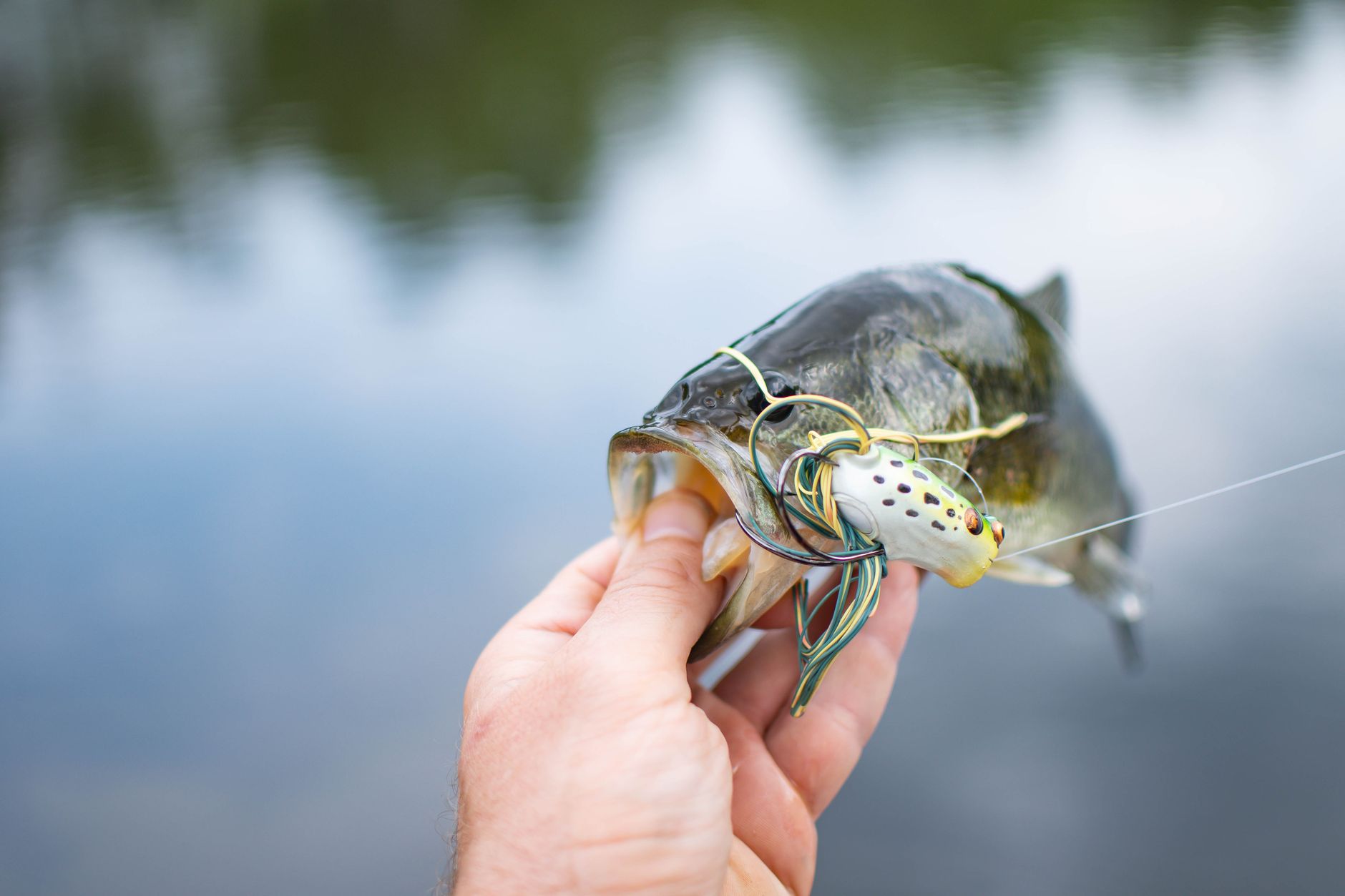
To effectively catch flathead, mastering a cast-and-retrieve technique is paramount. This entails a slow lift-drop-and-wind approach, as flathead prefer to lie in wait at the bottom. “Flathead will often hit the lure on the drop, as it sinks down, so you need to concentrate not to miss the strike or tap of a fish hitting the lure,” the expert advised.
As you practice, you will begin to understand the optimal retrieval technique, balancing the lure's descent speed to minimize slack line while ensuring it is not moving too quickly.
Adapting tactics from bait fishing to lure fishing represents a significant shift; becoming the hunter in this pursuit is critical. Notably, the prime spots to find flathead include weed banks, gutters, drop-offs, and sand banks. As one skilled fisherman noted, “Working out where and when flathead will be at these locations is the challenging part.”
Fish tend to retreat to deeper waters during clear conditions. Therefore, being adaptable in locations and techniques is necessary. Observing bait fish in shallow waters can be beneficial, as cited by the angler: “On several occasions I’ve spotted the flick of a few bait fish in ankle-deep water, cast to that spot and immediately hooked up on flathead.”

An active hunting strategy often leads to greater success. Additionally, this approach fosters a deeper understanding of the environment and fishing patterns. "You might have to start by fishing the whole tide a few times before you work out the best part of the tide to fish," they reiterated.
Many anglers agree that the last half of the run-out tide is typically the most productive, as baitfish move off the shallow flats into deeper waters. Conversely, fishing at high tide can require broader area coverage due to fish distribution.
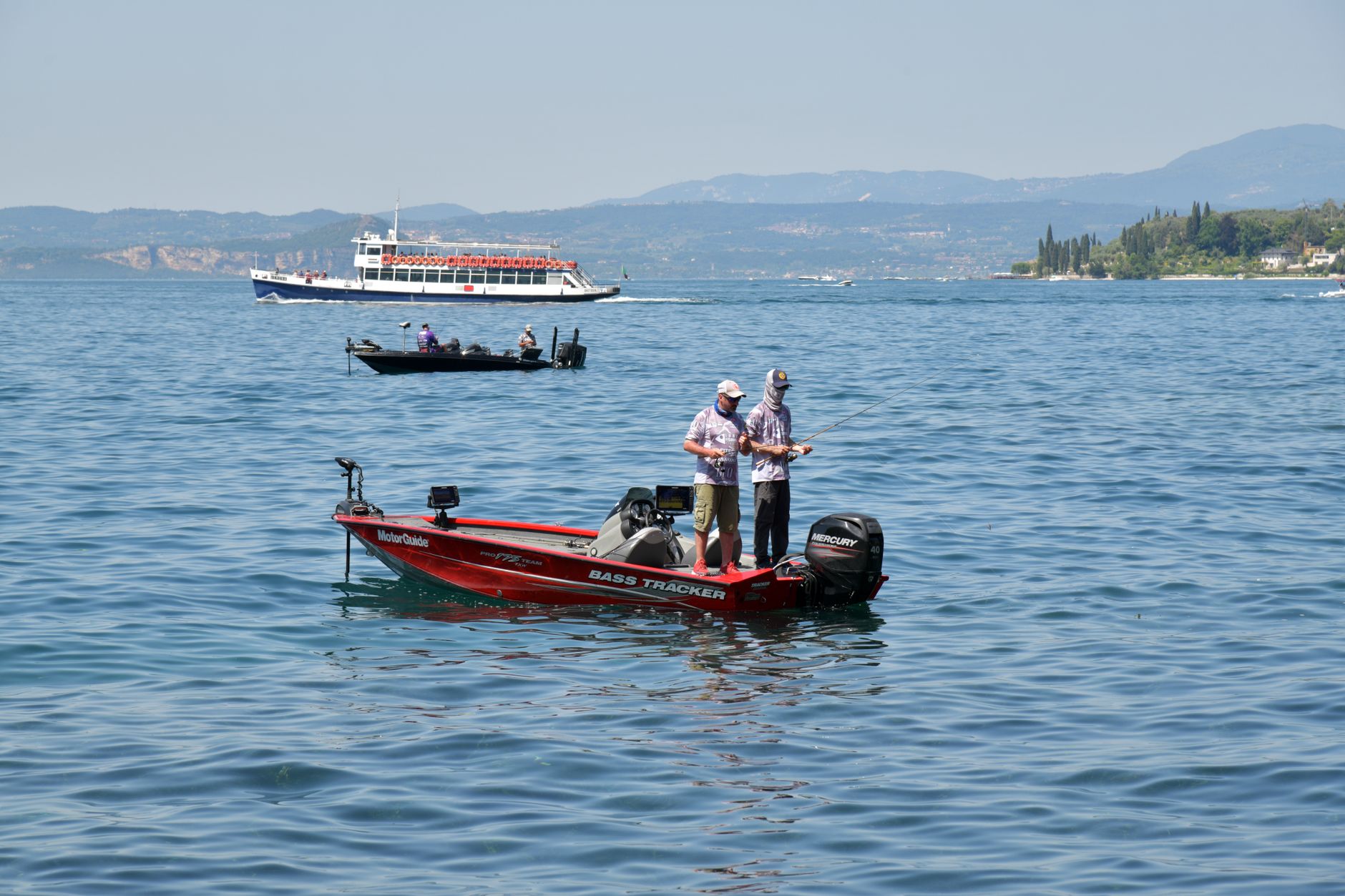
This method is not exclusive to estuaries; surf gutters can also yield impressive results. Silence plays a crucial role when fishing shallows—when using a boat or wading, maintaining distance from the water's edge can maximize your chances of success. "Be persistent with your tactics, and the rewards will follow," the angler concluded, inspiring novice fishermen to embark on their fishing journey with confidence.