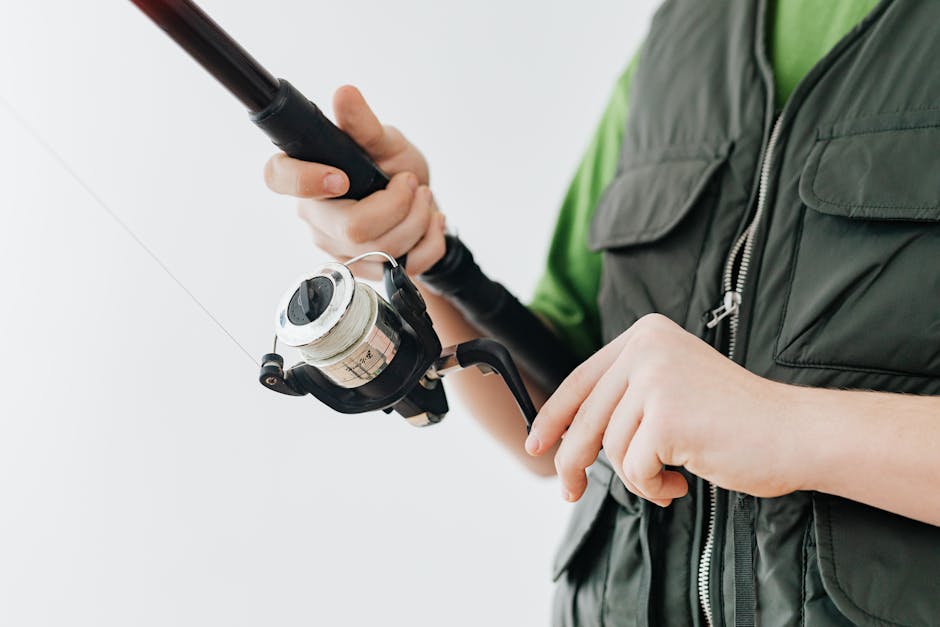
Casting a fishing line effectively is a vital skill for anglers at all levels. Whether you’re just starting out or you have years of experience, mastering casting techniques increases your chances of success on the water. "Getting familiar with your equipment is essential before you even think about casting," said fishing coach Will Branson. This guide explores the nuances of casting, from selecting the appropriate gear to refining your technique, ensuring that you’re well-prepared for your next fishing venture.
Understanding the basics of casting is fundamental. Crucially, aspiring anglers must pay attention to their body posture, grip on the rod, and arm movement. Branson emphasizes that, "You need to practice these techniques until they become instinctive." Accuracy remains one of the most crucial aspects of effective casting. A good cast is often predicated on targeting where you believe the fish are hiding, a skill that comes with practice and patience.
Casting distance plays a significant role in the technique you choose. "Different scenarios dictate the methods of casting you should employ, whether it’s a sidearm cast for shorter throws or an overhead cast for longer distances," stated Branson. Timing is another essential element; knowing when to cast in relation to the wind, current, and fish behavior can markedly increase your success. One overlooked aspect is the backcast—the motion of moving the line behind you to prepare for the forward cast. "A smooth backcast sets the tone for the entire thrust of your cast," Branson noted.
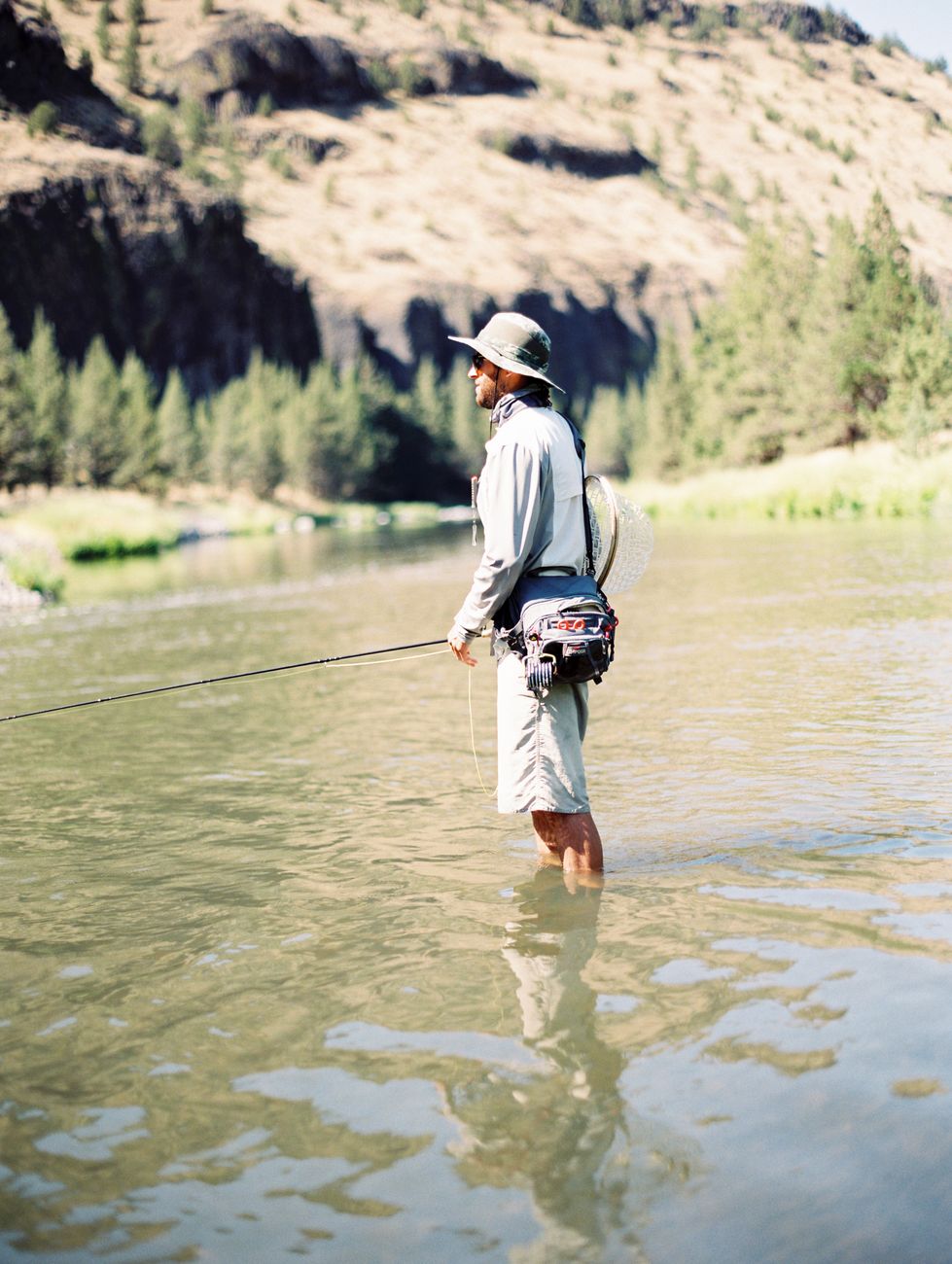
Proper presentation of your bait or lure is crucial for enticing fish. Your bait’s appearance can greatly affect whether a fish decides to bite. "Using various types of lures and adjusting your presentation techniques can yield different results," Branson explained. By consistently practicing the basics of casting and enhancing your presentation skills, you’ll not only become a knowledgeable angler but also see an increase in your catch rates.
Utilizing the Overhead Cast
Implementing the overhead cast is one effective method every angler should master. This technique begins with a solid grip on the fishing pole; your dominant hand should grasp the handle while your other hand supports the rod midway between the reel and first guide. "Start with the line taut and pull enough line off the reel so that it extends just beyond your rod tip," advised Branson. As you prepare your cast, bring the rod behind you with it parallel to the ground. Then, as you thrust forward, flaring your wrist will send the lure soaring toward your target.
The release timing is paramount; letting go as the tip of the rod aligns with the target ensures smoother delivery. "Follow through with your motion to maintain accuracy and distance," Branson added. As one of the most employed techniques in fishing, the overhead cast can significantly enhance your overall catch rates with diligent practice.
Understanding the Roll Cast
Another valuable technique is the roll cast, especially useful when space is limited behind you. Implementing a roll cast involves three crucial steps: First, release your wrist and forearm to allow the line to move forward, ensuring a gentle landing on the water's surface. Secondly, move your forearm backward, then swiftly thrust it forward to send the line out. According to Branson, "This technique is not only effective but incredibly versatile, particularly in tight spaces."
In summation, perfecting your casting technique can be both enjoyable and rewarding. By grasping the fundamentals of various casting methods, such as the overhead and roll casts, you will not only improve your skills but also enhance your overall fishing experience. Continued practice and the application of expert tips will have you casting like a seasoned pro in no time.
As you prepare for your next trip, remember that the nuances of casting play a significant role in any successful fishing endeavor. With the right combination of technique, timing, and presentation, you can maximize your odds and enjoy better fishing outcomes.