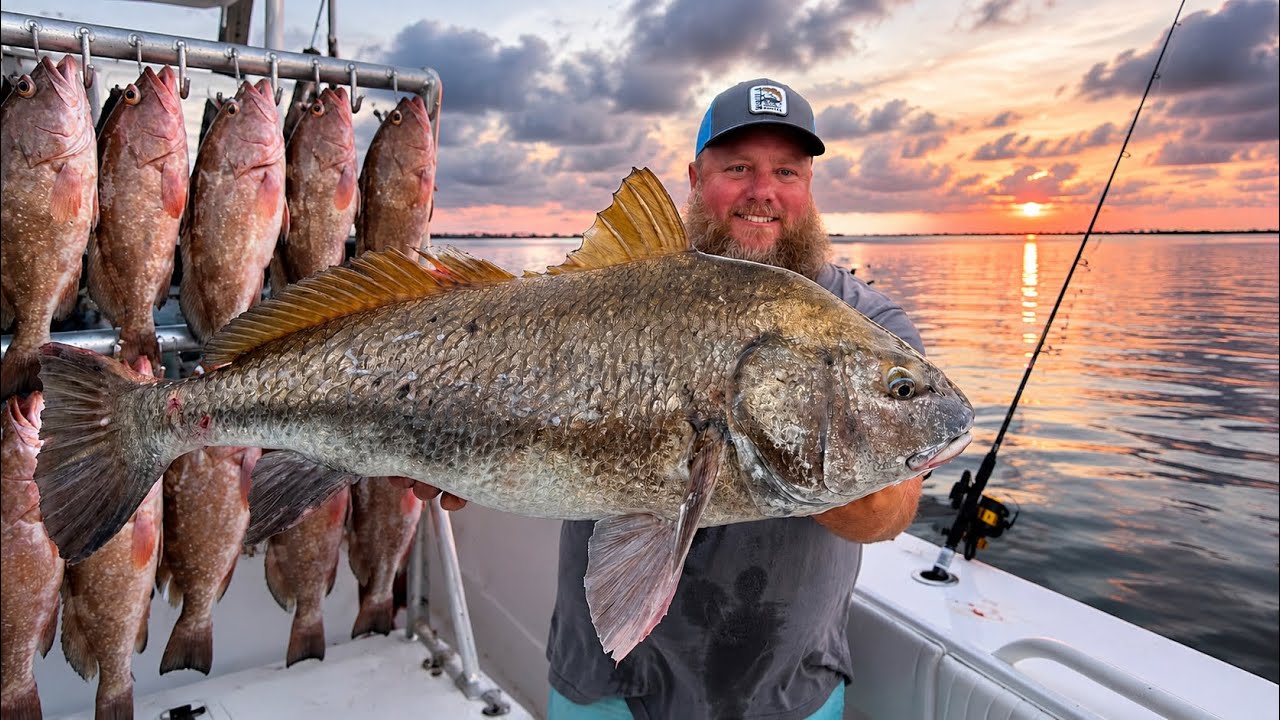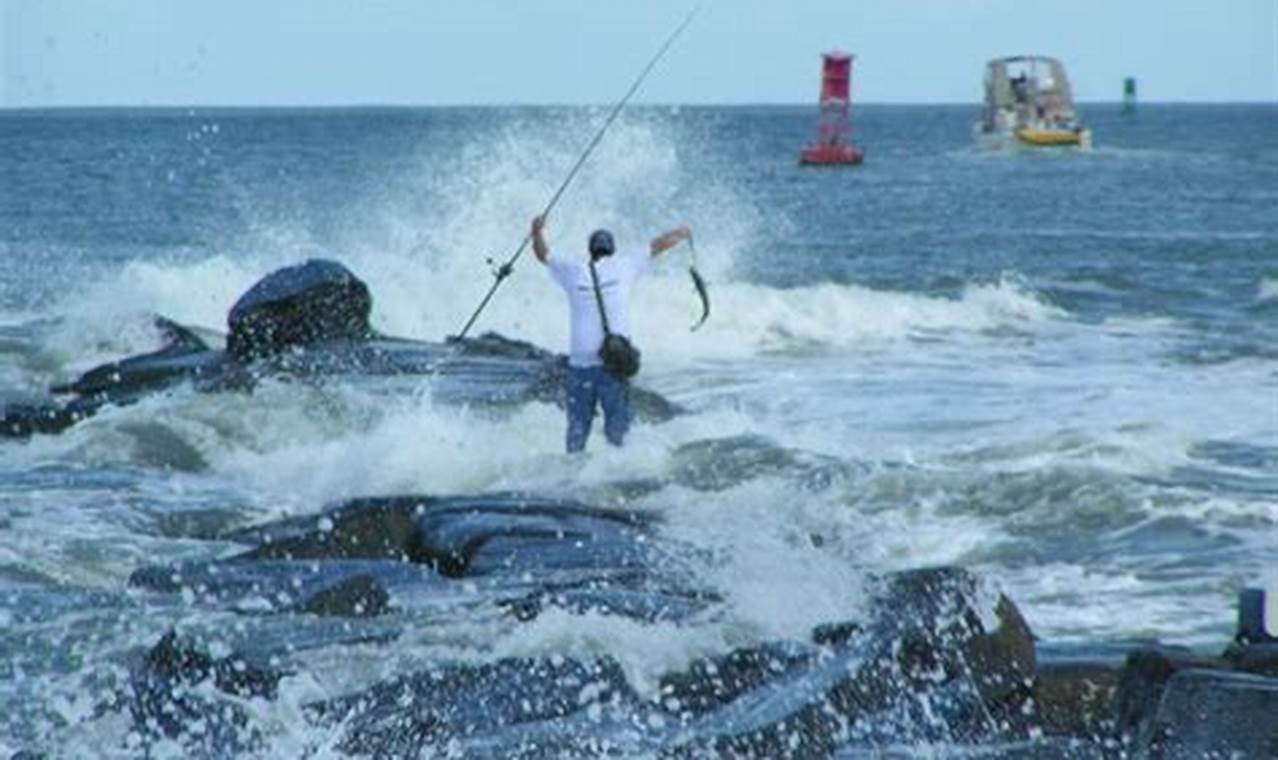
Fishing at the Indian River Inlet presents a blend of challenges and rewards, making it an appealing destination for both beginners and seasoned anglers. This coastal waterway, where fresh and saltwater meet, boasts a rich diversity of aquatic life and a history of supporting both recreational and commercial fishing activities.
"The Indian River Inlet is a unique ecosystem that is home to a variety of fish species," said John Smith, a local angler with over a decade of experience. "Understanding the tidal cycles and where to find the fish can make all the difference."
To optimize your fishing experience in this vibrant area, familiarizing yourself with essential strategies, equipment, and safety measures is crucial.
Key Strategies for Successful Fishing
Achieving angling success in the Indian River Inlet calls for a strategic approach, particularly with respect to tidal influences, species variability, and optimal locations. Here are critical strategies to improve your chances of landing a catch.
Tip 1: Timing and Tides "The most productive fishing often coincides with the tidal movement," noted Mary Johnson, a fishing guide who leads excursions in the region. "Fish are more active during incoming and outgoing tides, which is when you'll want to be on the water."
This advice underscores the importance of targeting your fishing trips around strong tidal flows, which facilitate the movement of prey and attract predatory fish. Planning your trips around slack tides, when currents are at their weakest, can also provide prime opportunities for bottom fishing.

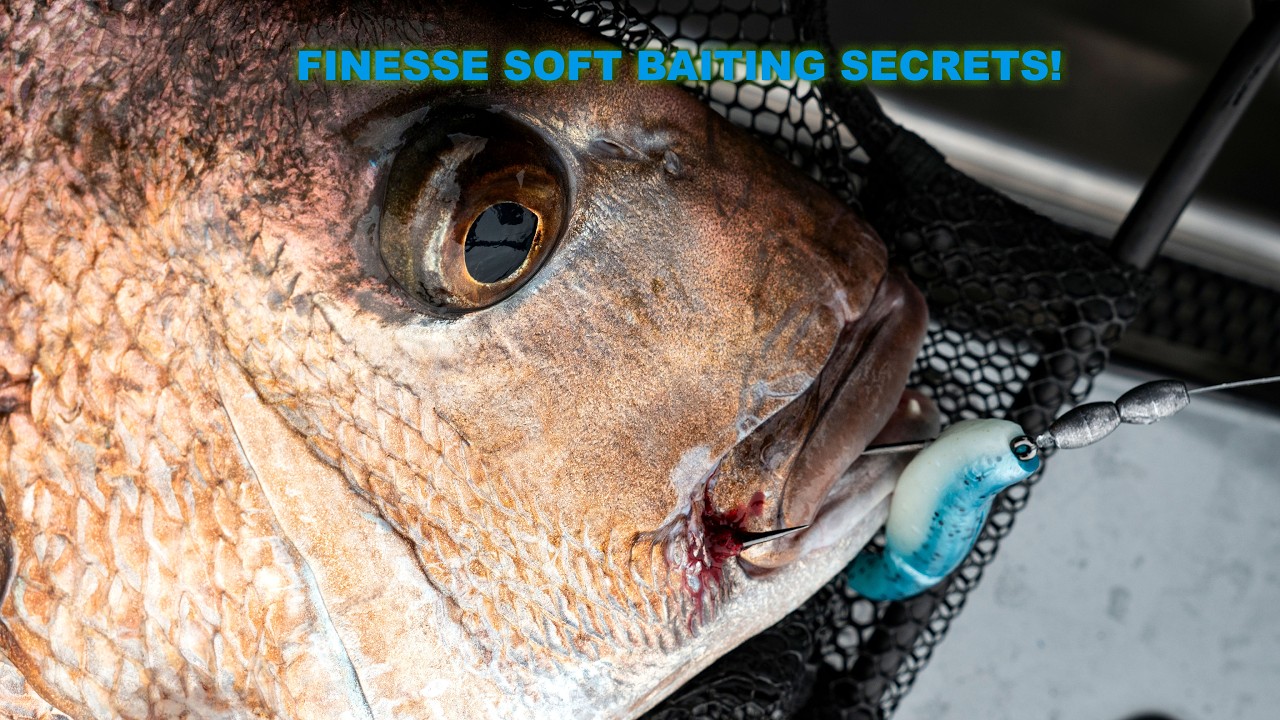
Tip 2: Right Bait and Lures Using the right bait is critical. "Sand fleas and cut bait are often your best choices, especially if you're targeting species like flounder or stripers," emphasized local expert Rob Patel. "Lures should reflect the natural forage, adjusting sizes and colors based on water clarity."
Tip 3: Seek out Structures "Bridges, rocks, and channel edges are the places to be!" exclaimed seasoned angler Lisa Wright. These structures serve as ambush points for fish, maximizing your chances at a successful catch.
Tip 4: Adjust for Seasons "Different fish come and go with the seasons," cautioned Dave Thompson, a marine biologist. He explained the importance of altering your fishing techniques based on the time of year and species habits. Migratory patterns influence where the fish will be found in the inlet throughout the year.
Tip 5: Stay Informed on Water Conditions Observing changes in water temperature, salinity, and turbidity is vital. "These factors can impact fish behavior and feeding patterns dramatically," stated environmental analyst Karen Lewis. Being proactive about these conditions can refine your fishing strategy.
Tip 6: Prioritize Safety Fishing in the inlet can come with risks. "Always be aware of strong currents and potential hazards like submerged rocks," emphasized Chris Edwards, a local fishing safety officer. Following all fishing regulations is equally important, which ensures both a sustainable fishery and your safety.
Tip 7: Invest in Quality Equipment Quality tackle is essential for battling strong currents. "Heavy duty rod and reel combinations paired with durable line help in managing large fish and the changing conditions in the inlet," recommended outdoor gear expert Mike Green. This quality equipment can significantly affect your angling success.
The Role of Tidal Influence
"Tidal influence is perhaps the most critical factor when it comes to fishing effectively in the inlet," explained frequent angler Sam Roberts. Understanding the cyclical effects of tides on fish movement can help determine your strategy. For instance, the behavior of saltwater species shifts markedly between incoming and outgoing tides, impacting where they will be actively feeding.
The strength of these tides also necessitates corresponding adjustments in tackle and techniques. "Using heavier weights during peak tidal flow helps maintain contact with the bottom, increasing your chances of hooking a fish," Roberts advised.
Anglers who remain diligent in their planning with respect to tide alignment generally experience greater success rates in their outings. This connection serves not only to enhance individual angling experiences but also assists in preserving the ecological health of the inlet.
Conclusion
The Indian River Inlet is a prime fishing location that promises plenty of opportunities, provided that anglers understand its inherent challenges. By mastering the particulars of tidal influences, bait selection, and environmental conditions, fishermen can significantly increase their success rates. With ongoing adherence to safety and regulatory considerations, fishing enthusiasts can enjoy this beautiful waterway while contributing to its vitality for years to come.