Fishing in tidal rivers can often resemble navigating into uncharted waters, with the changing currents continuously altering both the atmosphere and the fishing strategy. Unlike stillwaters, these dynamic environments demand adaptability and can offer not only challenges but also rewarding experiences for those willing to invest time and effort.
Graham West, a seasoned angler and all-rounder, emphasizes the importance of understanding the river's flow. "Fishing tidal rivers can feel unpredictable, but experience turns the ebb and flow into an ally," said West. He suggests that the optimal times to fish typically occur when the river is either coming in or going out, as movement stimulates the feeding behavior of fish. "The slowest windows are at full or low tide when the flow slackens. Rather than wait it out, the smart play is to drop onto smaller fish to keep the peg active until the flow returns and the skimmers push in,” he added.
Understanding the necessity of equipment is crucial. In tidal environments, West advocates for lighter feeders, stating, "One key lesson is that you rarely need a heavy feeder to hold bottom. Fishing with a deliberate bow in the line allows lighter weights and more bites." By casting to a marker and allowing controlled slack in the line to form a natural curve, anglers can improve their chances of a successful catch. He recommends using feeders ranging from 20 to 40 grams, noting that heavier gear may be required in larger, more forceful rivers but going light often yields better results.
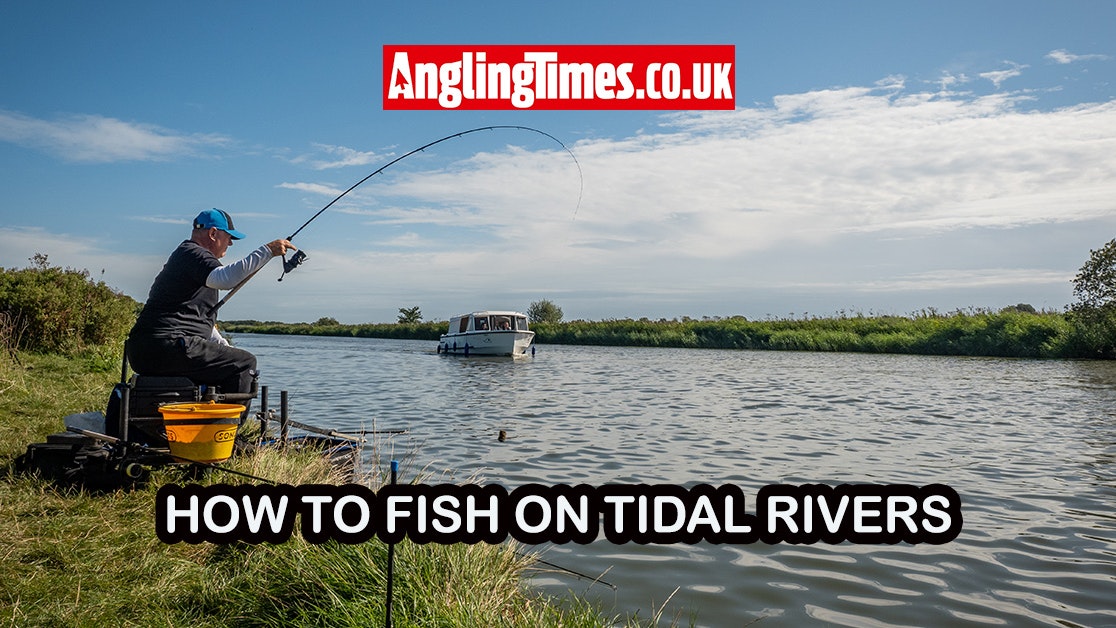
An efficient fishing strategy is comprised of targeting different zones within the river. West advises anglers to establish adaptable setups that can respond to changing tide conditions and boat traffic. "Ten metres out can be a banker, as passing boats frequently push shoals tight to the bank," he noted. Additionally, a second line positioned toward the central channel allows access to deeper water where fish feel more secure. With the conditions continuously evolving, locating where fish settle is paramount to success.
Utilizing two rods enhances this search. For longer casts, West recommends an 11 ft Parabolix Pro SUV Feeder equipped with a 1.5 oz tip. "It keeps line off the water and shows delicate pulls,” said West. For the shorter line, he prefers a 10 ft MAP Generation Pro Feeder paired with a 5000 reel and 6lb mono. A fixed paternoster rig is ideal for both setups, featuring a 50cm hook length of 0.13mm mono and size 12 or 14 hooks. "Keep the tip high when the tide is running, then lower it during slack water to sharpen bite detection,” he instructed.
Selecting the right baits is equally vital in ensuring a productive day of fishing. West highlights the use of natural bait options like maggots, casters, and worms, alongside an effective feeding strategy. "Skimmers are the prime target, so a fishmeal-based groundbait makes sense," he advised. He often combines Sonubaits F1 Green, Thatchers Original, and Sweet Skimmer Dark to attract skimmers while not deterring roach and perch from feeding.
Overall, feeder fishing in tidal rivers calls for both skill and adaptability. By mastering the flow of the river, choosing optimal target zones, and understanding the best bait practices, anglers can transform unpredictable fishing sessions into successful ones. As West puts it, the key lies in the meticulous observation of the environment and adjusting tactics accordingly, ensuring that every fishing trip can lead to an unforgettable catch.