When it comes to fishing for bluegill, many anglers envision the excitement of their float dipping under and the thrill of a light rod bending. For those eager to catch these sunfish consistently, a strategic approach is crucial. "Catching bluegill offers steady action," said an experienced angler passionate about this fish. Whether referred to as bream or simply sunfish, bluegills are one of the best species for novice fishermen to target due to their abundant presence and willingness to bite.
Bluegill fishing serves as a gateway for many to develop their skills. "They bite often, fight hard for their size, and taste great," remarked another local fisherman. This combination of factors makes bluegill a popular choice for those beginning their fishing journeys. With some practical knowledge and a well-thought-out setup, anyone can transition from sporadic catches to establishing a reliable pattern.
To truly master bluegill fishing, one must understand their seasonal behaviors. This species adjusts its habits and preferred locations depending on the time of year. During spring, as temperatures warm up, they move into shallow waters to spawn. "In late spring, bluegill push into the shallow water where they fan out beds on sand and gravel in protected coves," explained a fisheries biologist. This spawning season presents the best opportunity for beginners, as bluegill tend to be aggressive and readily attack anything near their nests.
As summer heat intensifies, bluegill relocation becomes key. "During hot days, anglers often find bluegill holding eight to fifteen feet down in clear lakes," advised a seasoned tournament fisherman. They seek cooler, shaded areas such as weeds and docks, where they can find cover and food. Topwater baits can still yield success during low-light hours, as bluegill are active and hunting for insects.
Once fall arrives, the bluegill start to school and focus on feeding as they prepare for winter. "This is an exciting time to fish because you'll see pods of bluegill roaming along weed lines and drop-offs," noted a veteran angler familiar with seasonal patterns. For those fortunate enough to locate these schools, fishing can be as simple as setting a small jig or slip float at the precise depth, ensuring you remain in the strike zone longer.
An essential component of successful bluegill fishing lies in the equipment used. An effective strategy often includes selecting appropriate hooks, floats, and weights. Recommended gear generally includes light rods and reels that provide enough sensitivity to detect small bites. An avid angler emphasized, "You don't need professional equipment for success in bluegill fishing—it’s accessible for everyone."
As for bait options, anglers have the choice between live and artificial lures. Many swear by the effectiveness of live bait staples such as worms and crickets, while others prefer soft plastics and jigs that can entice bigger fish. "You can catch big bluegills on hard baits, but you'll have more success with live options," said an expert angler with years of experience under his belt.
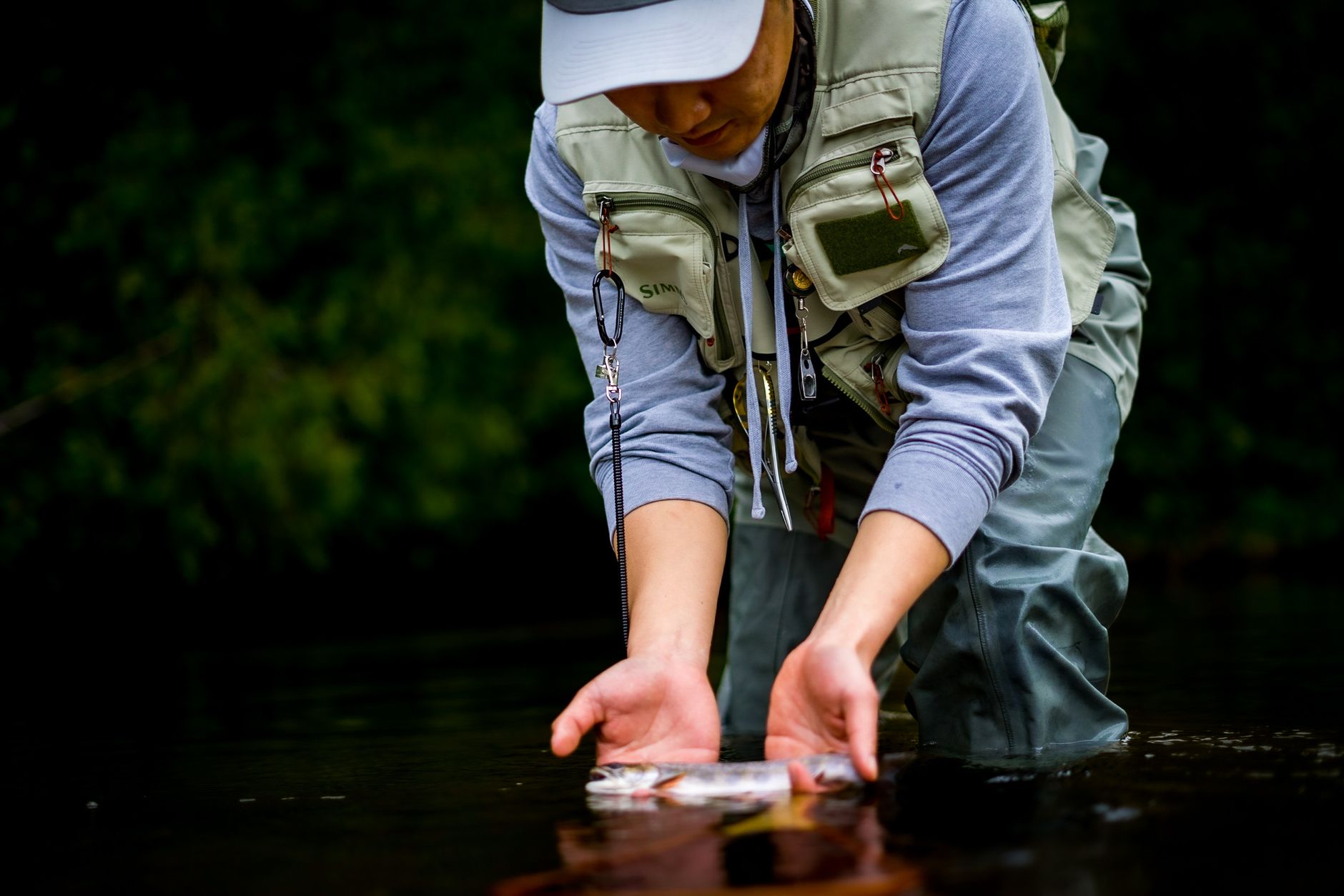
Learning to read water and identify structures can further enhance catch rates. "Understanding where bluegill like to hang out, whether from a boat or shore, is critical," explained a local fishing guide. Identifying high percentage spots, such as edges of weed beds or submerged structures, can maximize your time on the water.
Ultimately, bluegill fishing is not just a practice but a cherished pastime for many. "Most anglers start on bluegill and frequently return when they remember the thrill of catching them," stated one lifelong fisherman. Their widespread availability—from small ponds and reservoirs to river systems—ensures that anglers of all levels can find success close to home.
The joy of catching bluegill goes beyond the thrill; it also extends to the dinner table. These fish are often considered premier wild game due to their excellent taste. With effective tactics in hand, anyone can enjoy the process of fishing for bluegill, whether just for fun or for a satisfying meal.
As fishing seasons continue to shift, and with new techniques constantly emerging, the bluegill remains a timeless target for anglers. Its accessibility, combined with the opportunity for skill development, ensures that this popular panfish will continue to hold a revered place in the world of fishing.