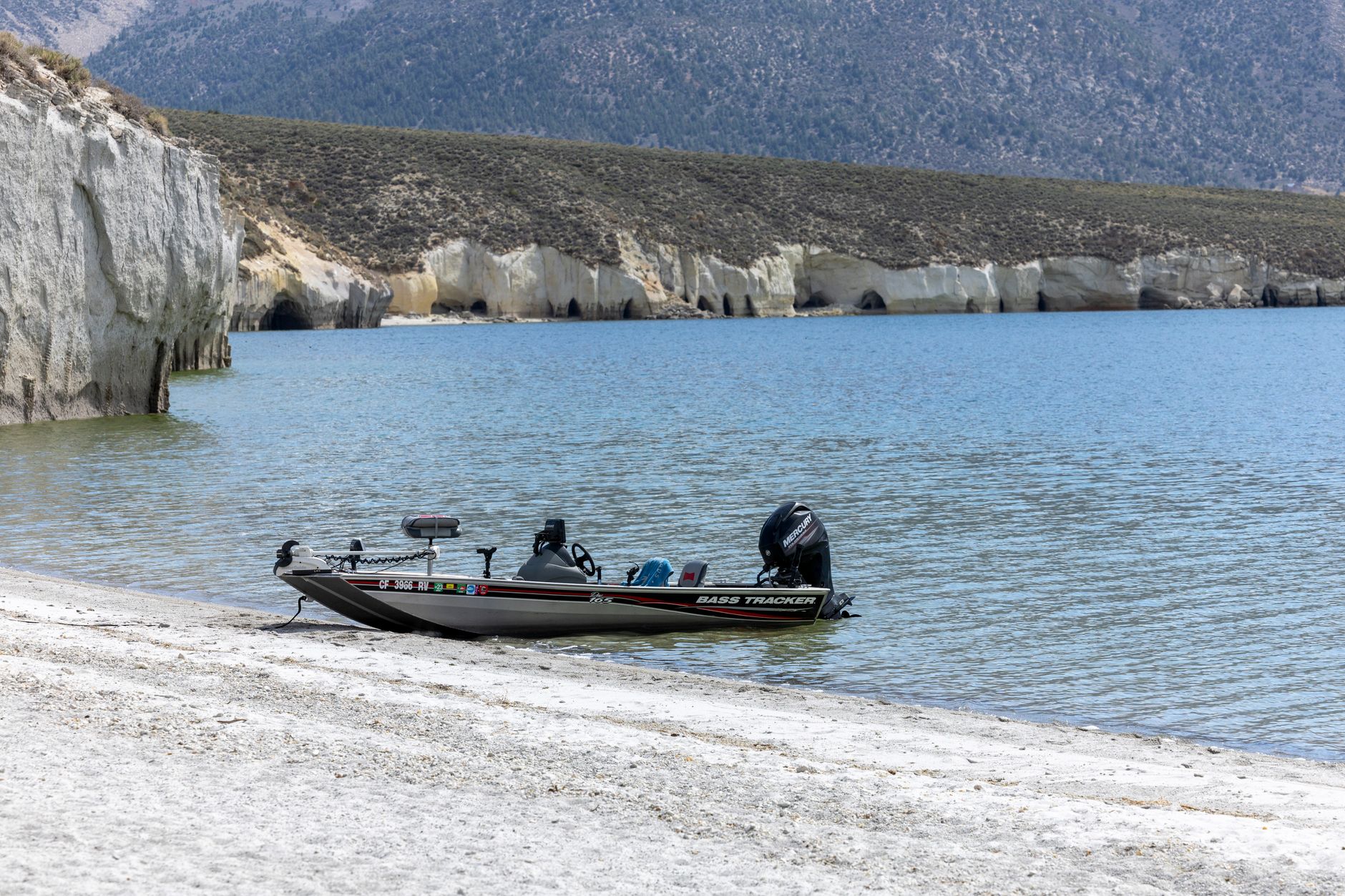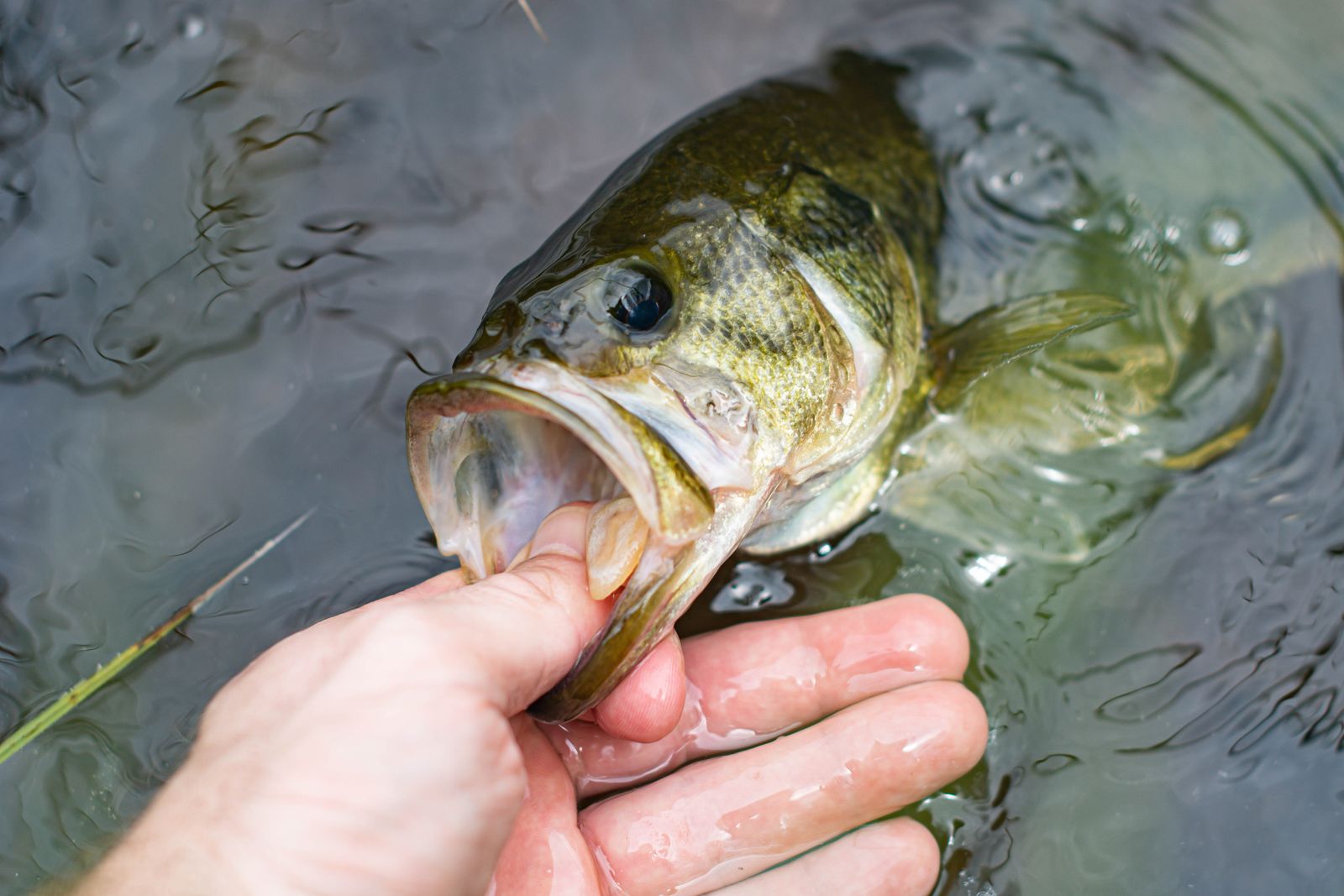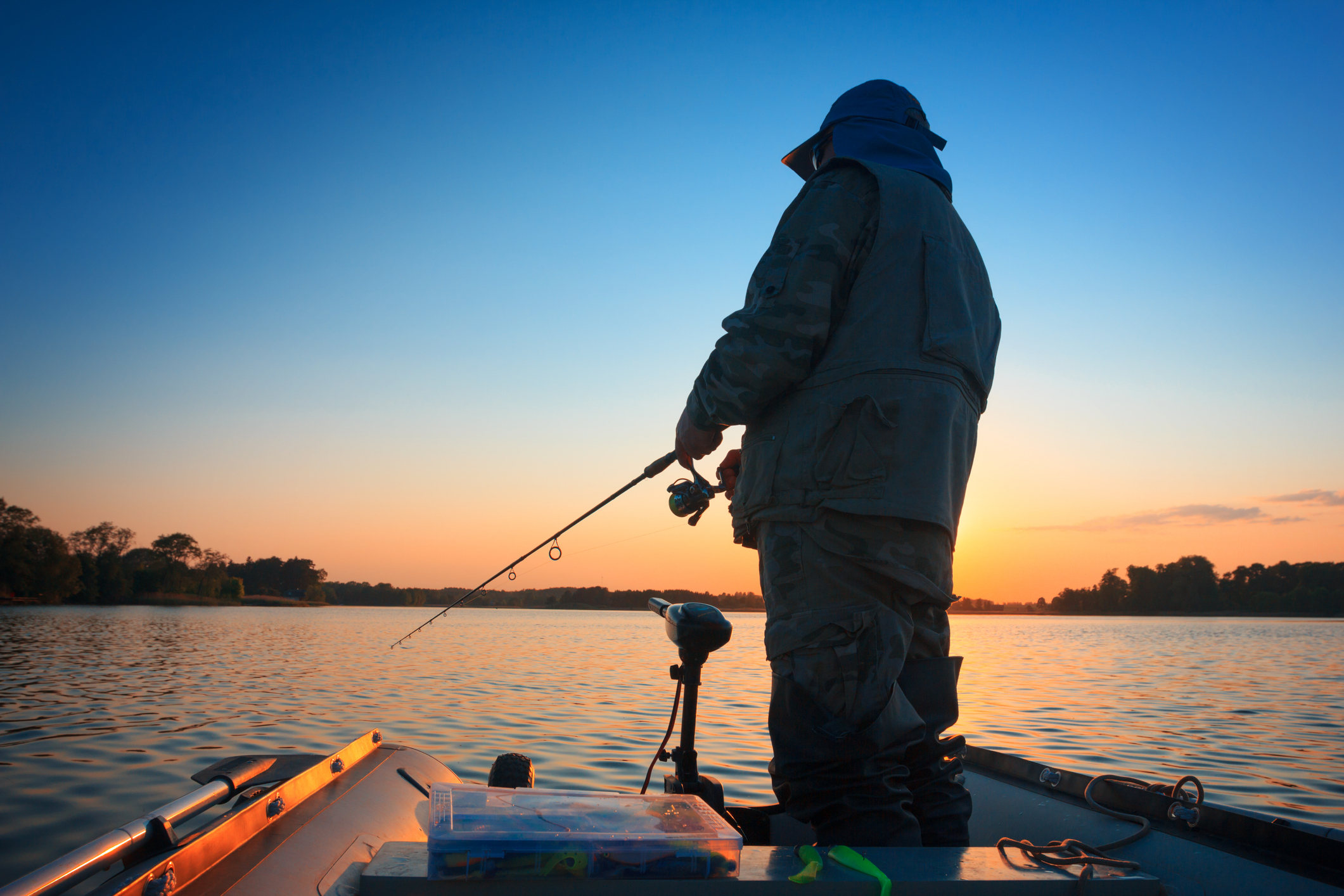
Engaging in bass fishing requires a tailored approach depending on the specific water body and its conditions. Bass anglers emphasize that adapting techniques to different environments—lakes, rivers, and reservoirs—is crucial for consistent success. "Successful bass fishing comes down to matching your approach to the specific water body and conditions," said a seasoned fishing expert.
Each water body presents unique fishing scenarios. Lakes, with their various depths and features, require precision and patience. In contrast, rivers bring the challenge of moving water and current, demanding specialized methods. Reservoirs, which include elements from both lakes and rivers, require anglers to shift their strategies frequently.
In lakes, a plethora of fishing options awaits. The landscape—featuring rock piles, fallen trees, and vegetation—becomes home to bass. During spring, many bass move into shallow bays around three to eight feet deep to spawn. "Bass often gather around distinctive features like underwater humps, steep breaks, and weed edges," noted an avid lake angler. As temperatures rise, these fishes migrate to deeper points, typically ranging from 15 to 25 feet.
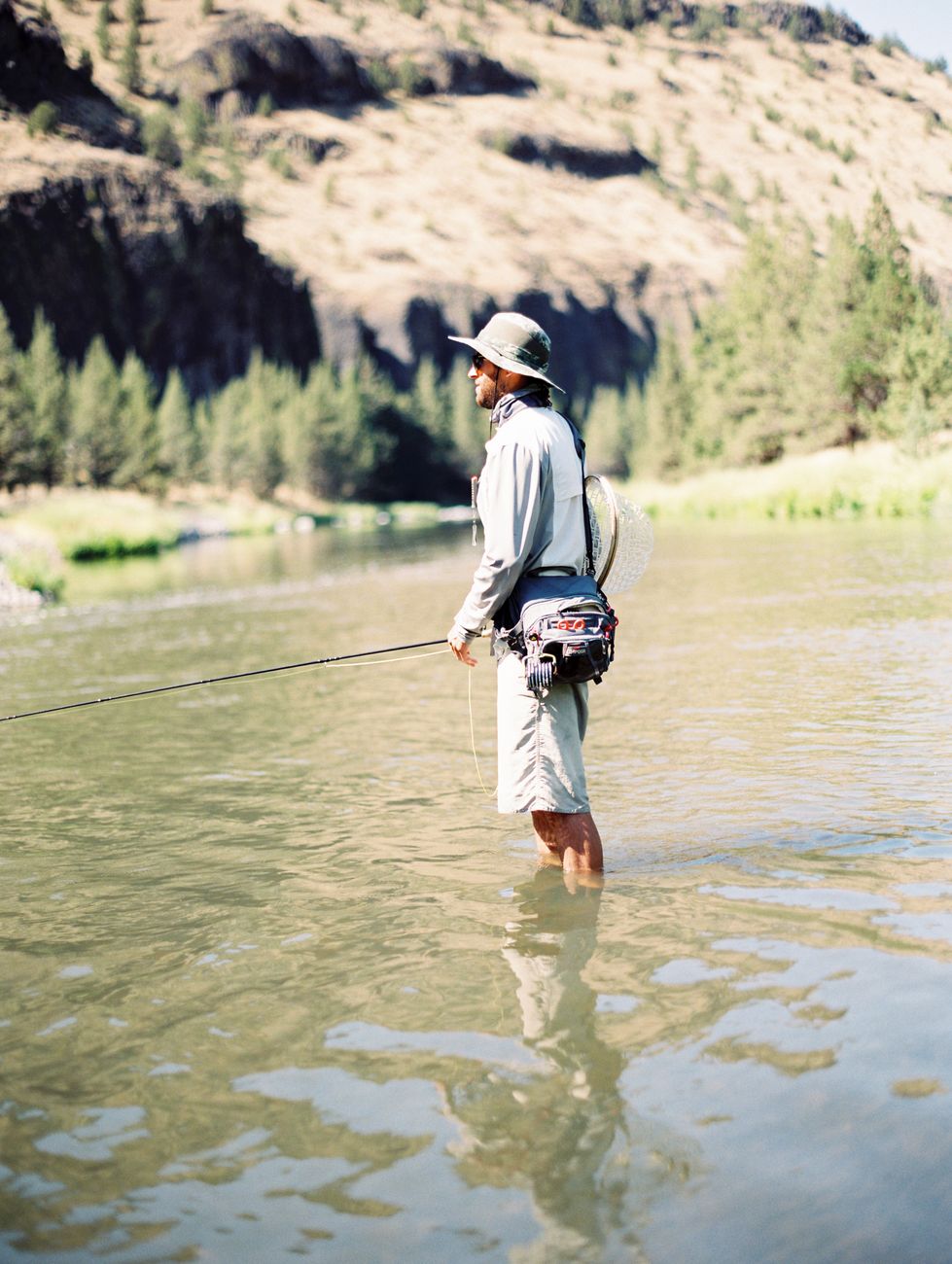
Rivers, on the other hand, require a deep understanding of current patterns. Bass are known to position themselves behind objects that break the current to conserve energy and ambush prey. "The river environment creates distinct zones: swift rapids for smallmouth bass, deep pools for largemouth bass, and calm backwaters that serve as shelters," explained a river fishing specialist. Seasonal temperature changes prompt bass to shift their locations—from shallower areas during spring floods to deeper holes in summer.
Reservoirs represent a blend of lake and river dynamics, offering unique habitats. Features like submerged roadbeds and heavy cover provide ideal hiding spots for bass. According to a pro angler, "Bass follow predictable seasonal movements, starting in tributary arms during spring and shifting toward the main lake as water temperatures change." Furthermore, the activity created by dam operations during power generation affects bass positioning during feeding times.
Each season presents its own patterns and timing for catching bass. In spring, spawning behavior is pivotal. Bass often congregate near spawning flats, especially when temperatures hit 60°F in sheltered coves. An expert states that "pre-spawn bass gather in staging areas typically in 8-15 feet of water near points or creek channels."
As summer arrives and water temperatures rise, bass retreat to deeper waters. The best spots usually hover around main lake points and offshore structures between 15-25 feet. "In the summer, I find that top lures like square-billed crankbaits and heavy jigs work best near bottom structures," said a veteran angler. Primarily, successful summer fishing often occurs in the early mornings and late evenings when bass venture into shallower waters.
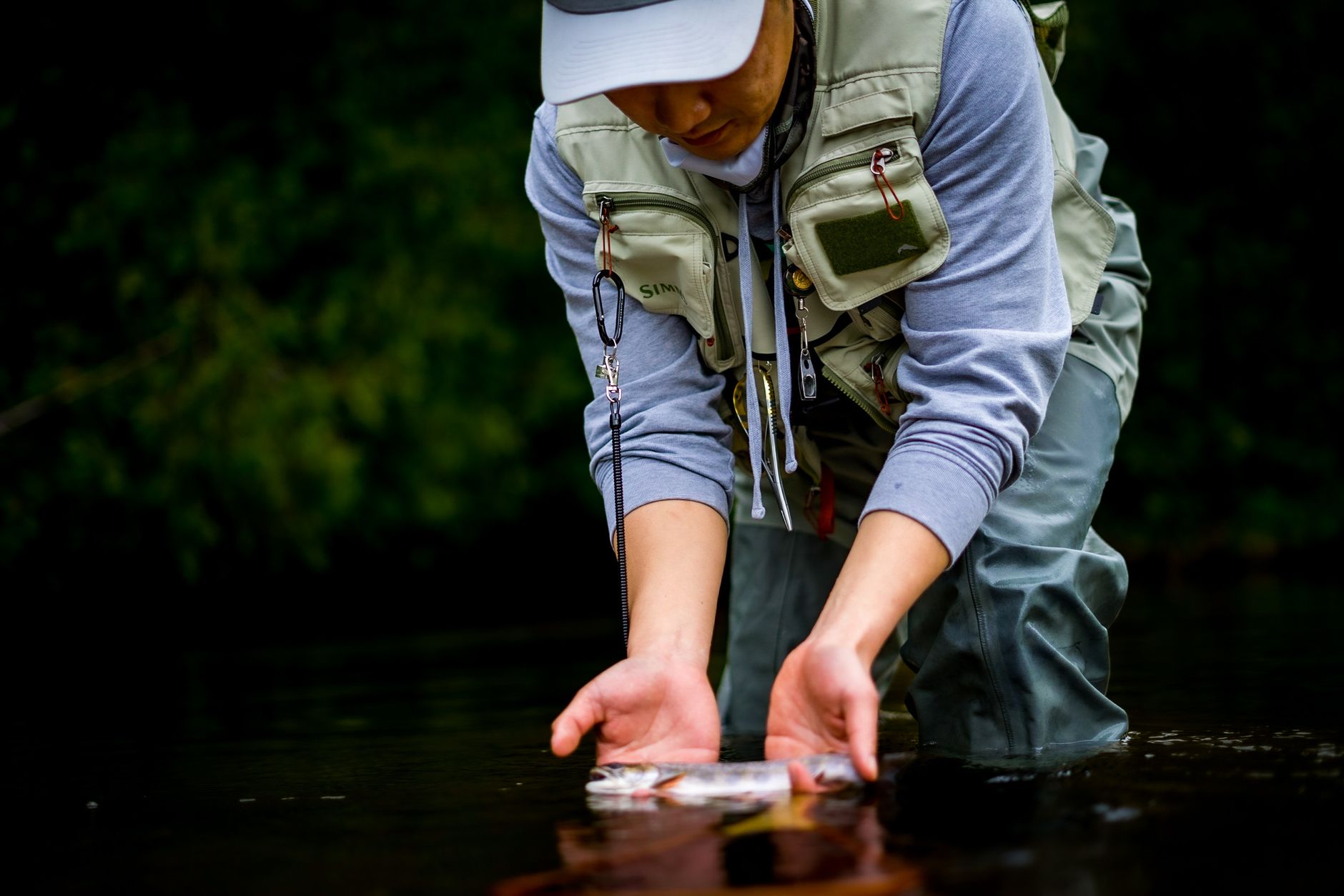
Autumn signals a change in behavior as bass start following baitfish into coves and creeks. "Quality sonar helps locate deep winter bass schools on structure," offered a technology-savvy angler. During winter, bass generally hold in 20-30 foot holes near channel bends, while fall sees them chasing baitfish in backwater areas.
When it comes to equipment and tackle selection, a medium-heavy 7-foot rod is often recommended for versatility. Lure selection is equally important. "The right lure can make a significant difference in attracting bass," emphasized a competitive fisherman. Key choices change seasonally, adapting to the habits and preferences of bass throughout the year.
In summary, mastering bass fishing across lakes, rivers, and reservoirs requires flexibility and understanding of various fishing environments. With the right approach, gear, and knowledge of seasonal patterns, any angler can enhance their fishing skills and ensure a successful experience on the water. Taking into account these tips will equip anglers to not only locate but also effectively catch bass, regardless of the setting they are in.