If you have ever wanted someone else to pay for your fishing trip, Maryland has an offer. The state is escalating its campaign against invasive blue catfish by paying licensed captains to take the public out after them — and by handing cash to anglers who haul the fish in themselves.
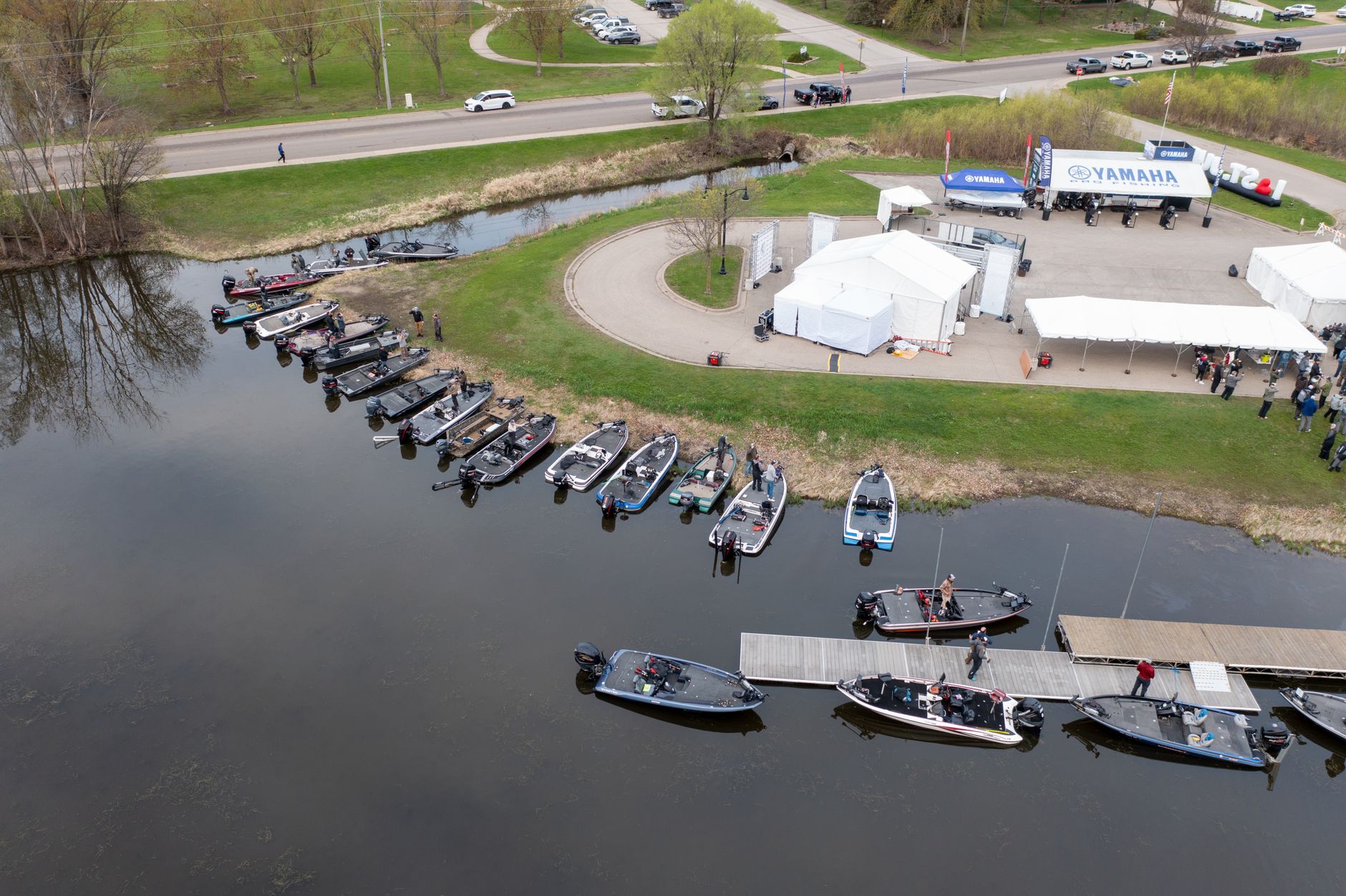
The centerpiece is a new pilot from the Department of Natural Resources called "Reel in the Blues Bonanza." It reimburses charter captains and guides up to $1,500 per trip to run free blue catfish outings for members of the public through the summer and fall of 2026. Captains must submit an interest form by June 22; public registration for a drawing to win one of the free trips opens June 24. Operators need a Maryland Waterman ID, a U.S. Coast Guard captain's license where required, and they have to log their harvest through the state's FACTS reporting system.
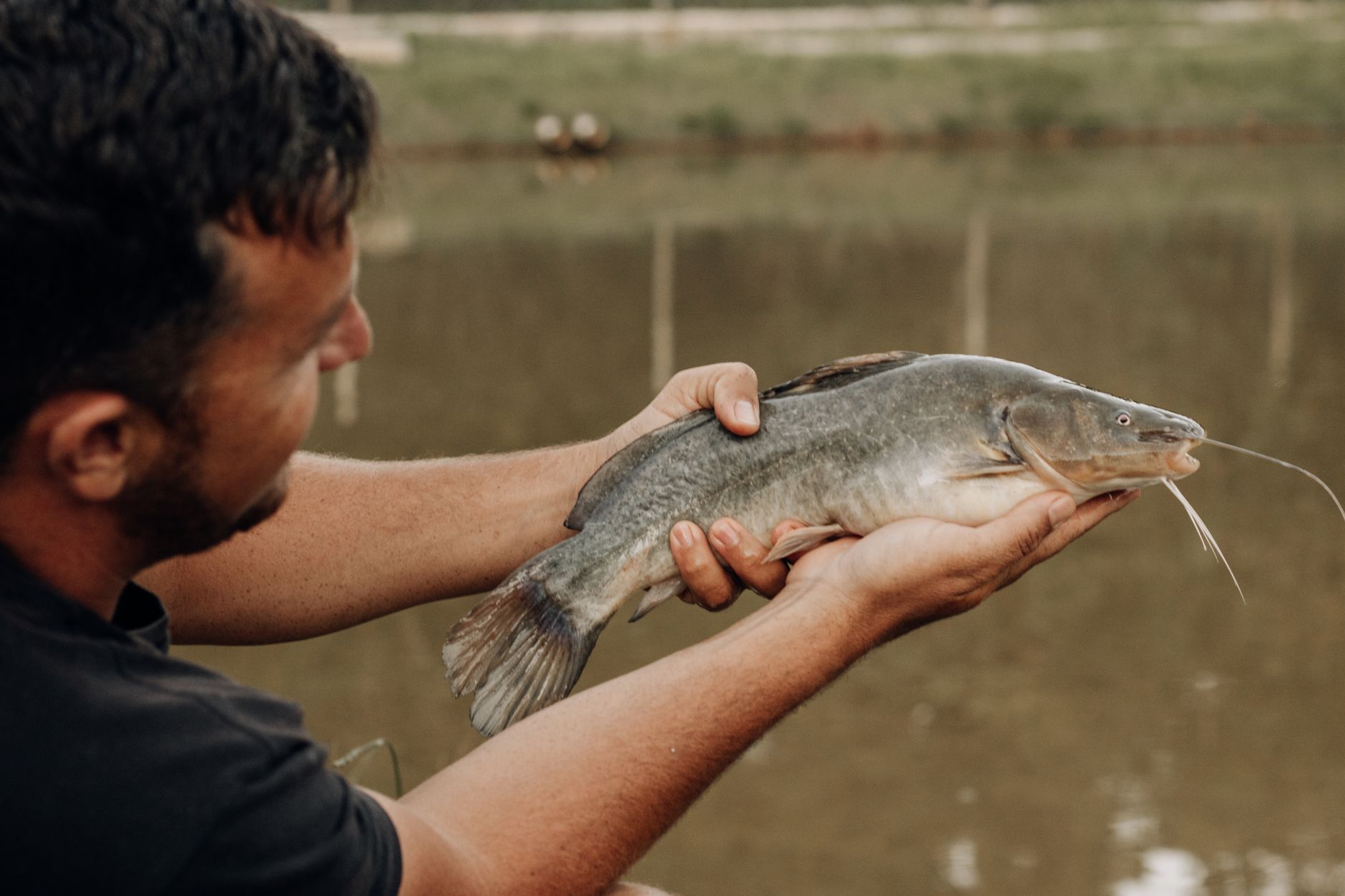
Blue catfish make an easy target because the rulebook barely applies to them. There are no size limits, no catch limits and no closed season, and the state record — 82 pounds — has stood since 2012. The DNR says the fish hammer native blue crabs, white perch and menhaden, which is the whole reason managers want them gone from the Chesapeake watershed.
The pilot joins a calendar of cash-for-catch events that already move serious tonnage; the 2022 Sharptown Catfish Tournament alone pulled nearly 1,000 pounds of blue catfish out of the water. Officials described the captain-reimbursement scheme as one piece of a wider strategy to cut the population and collect harvest data, and said comparable programs could return in 2027 and 2028 if the money and interest hold up.
The purest bounty is in Baltimore. Through the Environmental Justice Journalism Initiative's Reel Rewards program, anglers earn $30 for each invasive snakehead, blue catfish or flathead catfish turned in from the Patapsco's harbor area, up to 15 fish weekly. Chesapeake Bay Magazine reported the program paid almost $9,000 in bounties across three months last year. One bowfisherman, Brian Slacum, brought in 134 snakeheads for more than $4,000.
Slacum, who has bowfished the harbor since 2018, said the invasives fight hard whatever the tackle. "You get a fight no matter [whether you're using] bow or rod and reel, and they grow pretty large in our ecosystem," he told the magazine. And he sees no slowdown in their numbers: "We have been hitting the same spots for years," he said, with each season turning up more fish than the one before.
There is a human angle to the Baltimore effort, too. It runs in neighborhoods with large immigrant, Black and veteran populations, some of whom fish the harbor for food, and organizers want a clearer picture of what is being pulled from waters with a long pollution history.
The upshot is simple. Maryland has reframed a nuisance predator as an opportunity: no bag limit to bump against, no season to wait on, and now a paycheck — or a free charter — for the anglers willing to thin the herd.