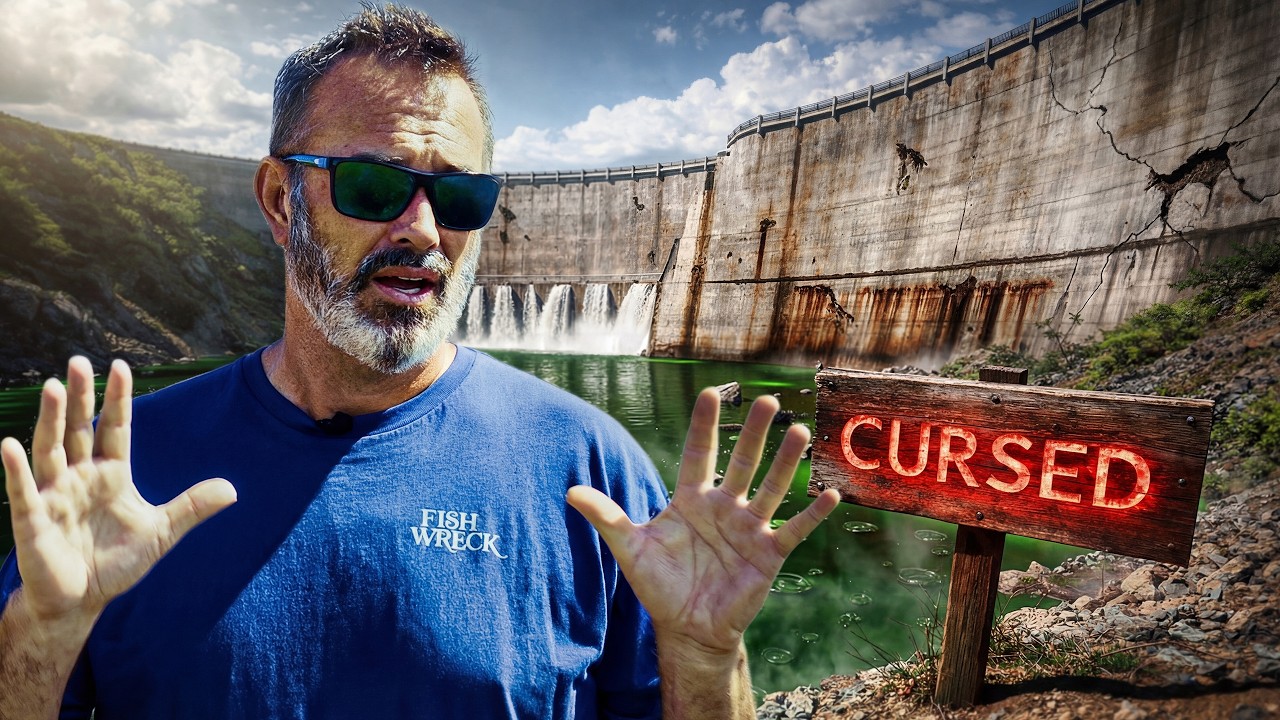
After years of bad luck on Tinaroo Dam, Mark Berg has finally extracted a metre-plus barra from the impoundment - and used the trip to walk straight into the loudest argument in Australian freshwater fishing right now: whether forward-facing sonar is cheating.
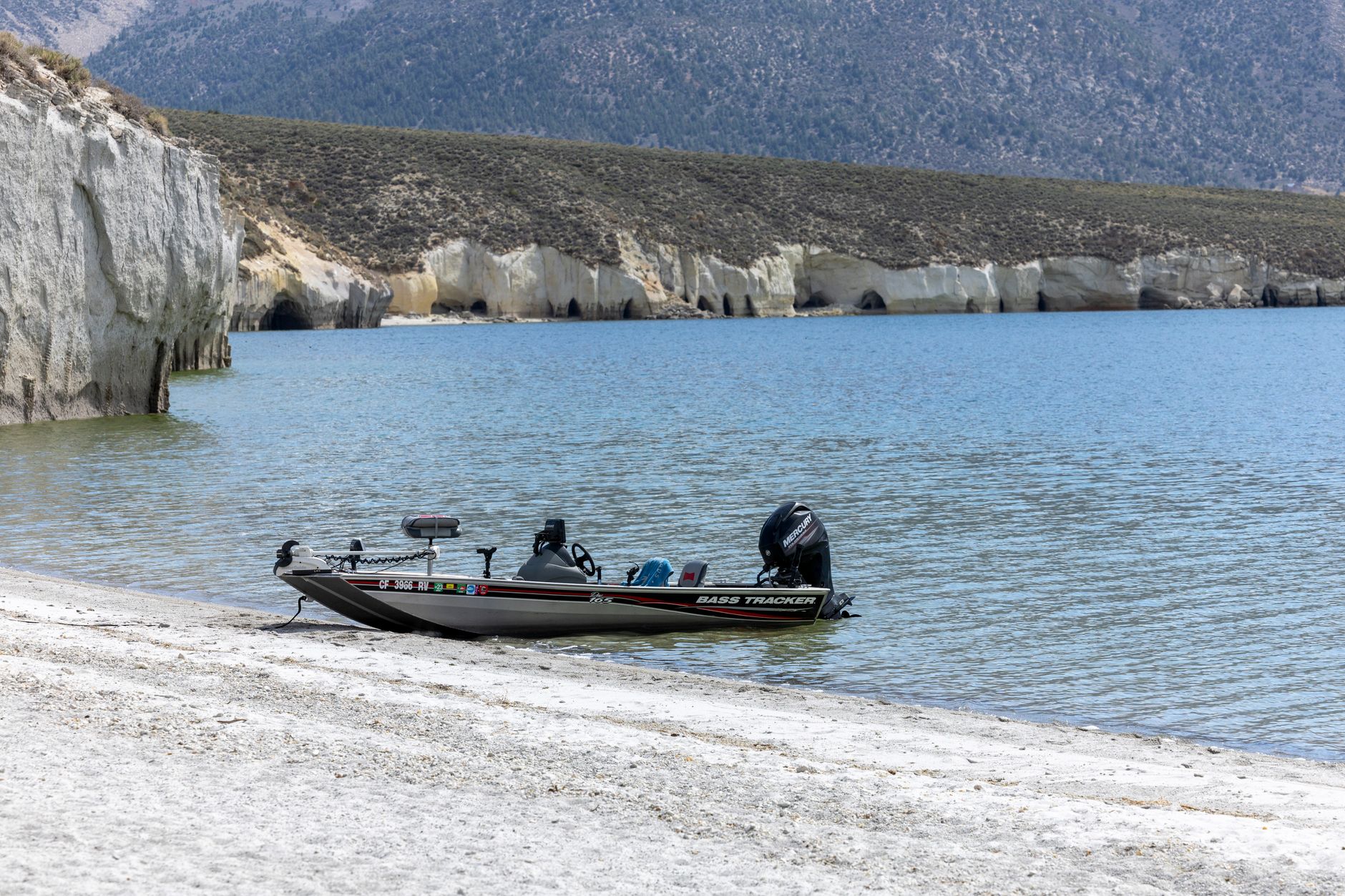
Berg's history with Tinaroo is, by his own description, cursed. "This place for me, I swear, it's cursed," he said at the ramp. "Every time we come here, something goes wrong. We were rained on, hailed, we've dropped big fish." The bar was set before the boat hit the water. "The barra get pretty massive in this dam, so I need to catch at least a metre for the curse to be lifted."
Day one lined up like an angler's poster: tide change at 5:30, major bite at 6:30, moon rise just before seven. The dam was holding the kind of bait you would expect to feed barra. "It's absolutely chock-full of tilapia and bony bream. They're so well fed, that's why they're so big."
The first three hours played out like every previous Tinaroo trip. Fish after fish appeared on the Livescope and refused at the last second. "Follow after follow, and still no luck," Berg said as the meter mark slipped further away. "They chase, they turn away. They chase, they turn away. You've just got to get that one that commits. It's painful. It's excitingly painful."
Then, with the sun on the water, a fish that had stopped dead on the screen flicked once and inhaled the lure. Berg called the size off the screen before the fish even surfaced - "about 105, I reckon" - and the brag mat backed him up. The accuracy of the call became its own point. "That's how accurate that scope is nowadays," he said. "You can pretty much pick the size of the fish from the beach with Livescope."
That is where the trip pivoted from a personal hoodoo into a wider debate. Berg, fishing with mate Dylan and watching dozens of barra come and go on the screen, took on the critics directly. "Anyone out there that says that this is cheating, I agree," he said. "I call it cheating. But let me tell you, it's also not easy. You don't just look at it and go, oh, there's one, cast to it, catch. You've got to try and make this fish eat. You've got to work out how deep they are, left, right, which way they're moving. There's a science to it."
Dylan was less apologetic. "It'll be like side scan was 10 years ago," he said. "Everyone was against it. You don't need side scan or whatever else. And now every single boat in Australia has got a side scan. It'll be the same in five or six years with Livescope."
Berg also conceded the limits of relying on screen-fishing. By his own count, the boat saw roughly 50 barra come to within striking range over the first three-hour session for one converted bite. "It's a hard way to cheat, isn't it?" The trade-off, he says, is what an angler sacrifices to fish that way. "You're surrounded by birds and wildlife and beautiful greenery and all the rest of it, but you do have your head down in the screen nearly the whole time. You're just obsessed with that screen."
Despite the metre fish, Berg refused to call the curse broken. Two more days of refusals followed, including a tally for Dylan of eight barra in his best 2026 session. The reward against the grind, Berg admitted, is real. "The reward's amazing, right? But you got to grind and grind. And it's not always like that."