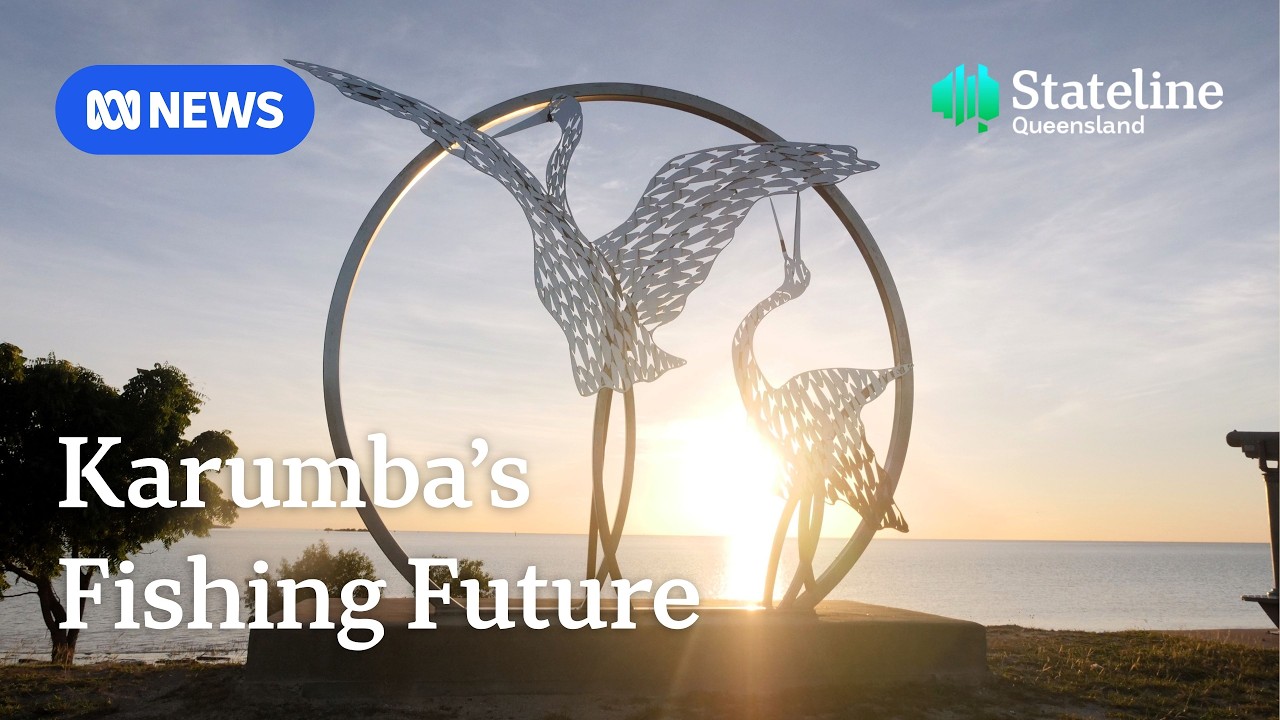
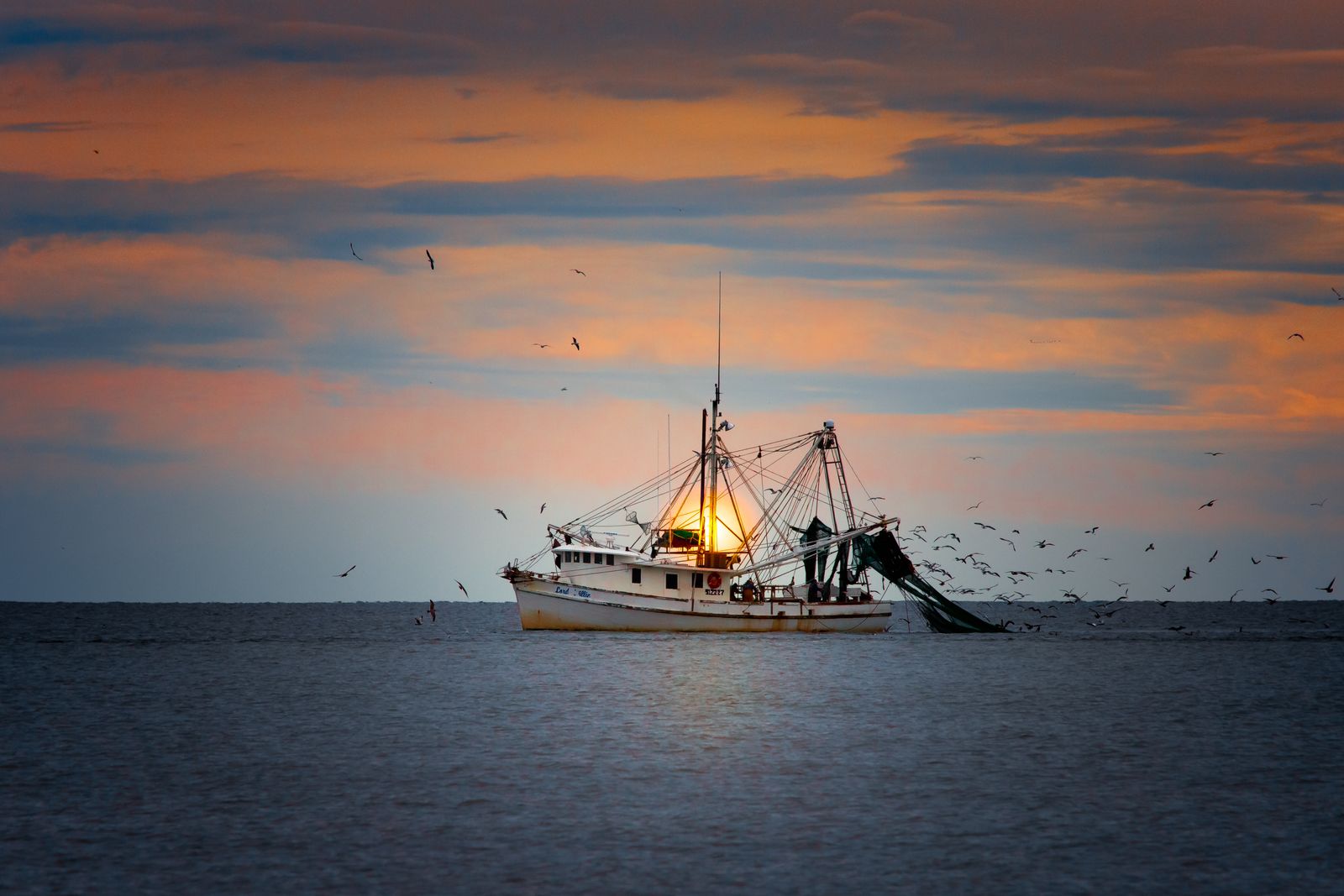
The Queensland Gulf town of Karumba has spent generations defining itself by its fishing fleet. The closure last month of Raptis — Australia's largest wild-caught prawn operator — has put that definition under genuine pressure, with a recent ABC News report capturing a community now balancing pride in its working-village identity against deep concern about what comes next.
Residents interviewed for the story described a town whose lifestyle still sells itself.
"It's one of Queensland's last true fishing villages with a lifestyle that's second to none," one resident said. "Sit up on the back veranda or go down the beachfront and have a beer. Watch that sunset. It's a great feeling."
Beneath the photo-postcard footage, the conversation in the report keeps coming back to spirit and economy.
"There's survivors that are left there now that are doing okay, doing quite well," one local fishing identity said. "But the spirit of the place is slowly diminishing."
The Raptis announcement is described in the same blunt terms a small town reserves for a major employer leaving.
"Dumbstruck, I guess. But tinged with a little bit of understanding that there were significant economic pressures on the fishing industry in general."
"Getting good product out of the Gulf is critical," she said. "It's the cornerstone of this business. If we can't source local good product, then basically we wouldn't have the cafe operating."
That reads small — one shop — but for Karumba it isn't. The Gulf seafood that fills her counter is the same product that pulls tourists into town in the season, gives the charter operators a story to sell, and forms most of the local restaurant trade. Charter operators in the report described a season they say is already shrinking.
"I think Karumba will struggle," one operator said. "Tourism is a massive part here and that's what keeps this town going, but the season seems to get shorter and shorter every year."
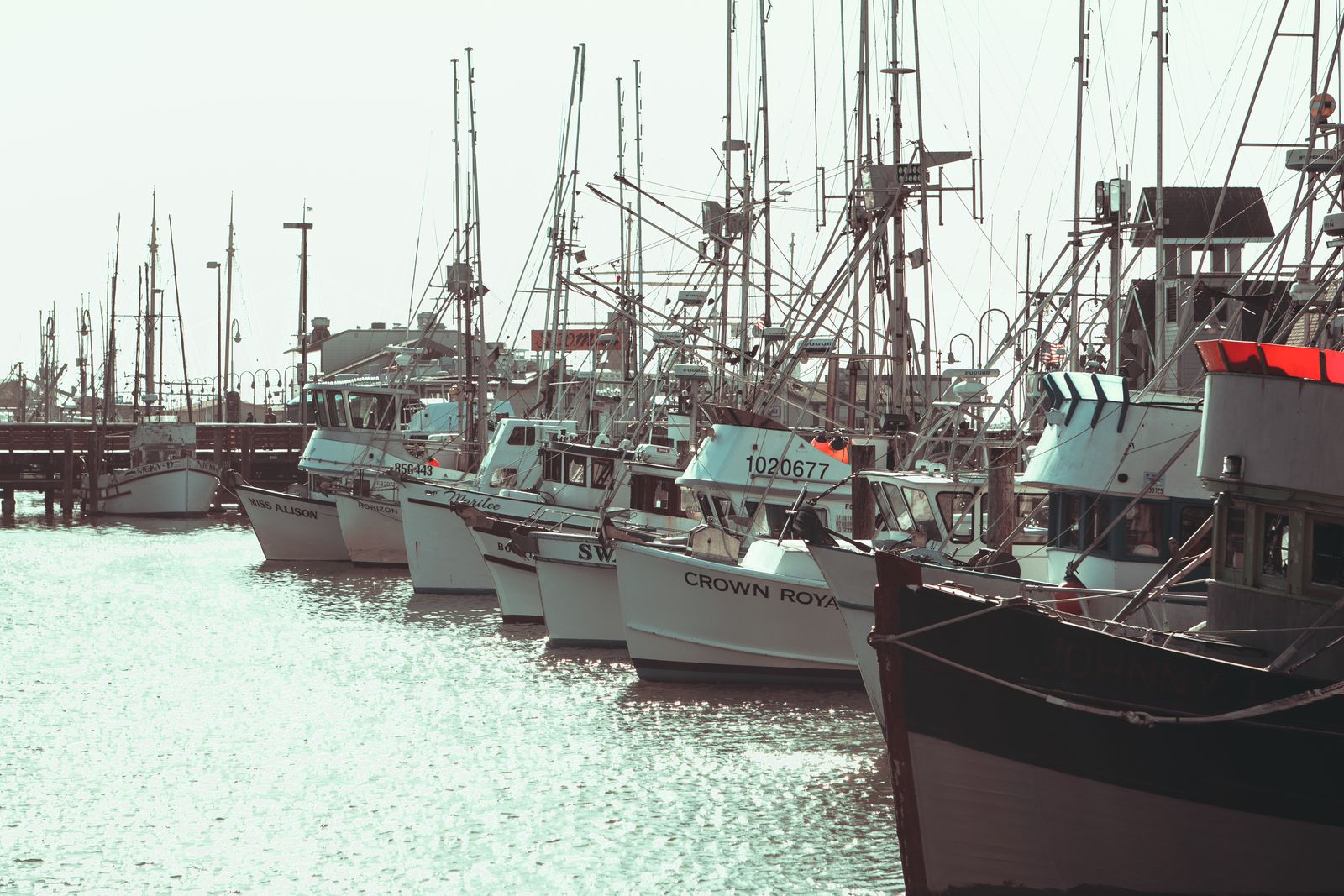
Not every voice in the report is downcast. Mud crab fisher Mark Gronksy makes the argument for Karumba's place in the national seafood supply chain.
"We send them to Adelaide, Perth, Melbourne of course, Sydney, Brisbane, Darwin, doesn't matter where," he said.
He also pushed back on the broader pessimism with a line that has already gone around the local industry.
"I think if anyone's got a fishing future, Karumba. We don't have the pressure from recreational fishermen."
That is the line the town is now leaning on. Whether the closure of Raptis is a one-off shock or the start of a longer slide will, in large part, be decided by whether enough of the smaller operators around it can hold on through the rest of the season — and whether the visitors who normally arrive to chase barra, threadfin and prawns over the cooler months turn up in the same numbers.
"All of the Gulf and Northwest, they have such vibrant communities that are under a lot of stress and pressure," they said. "But they have a lot of heart, and I wouldn't live anywhere else."