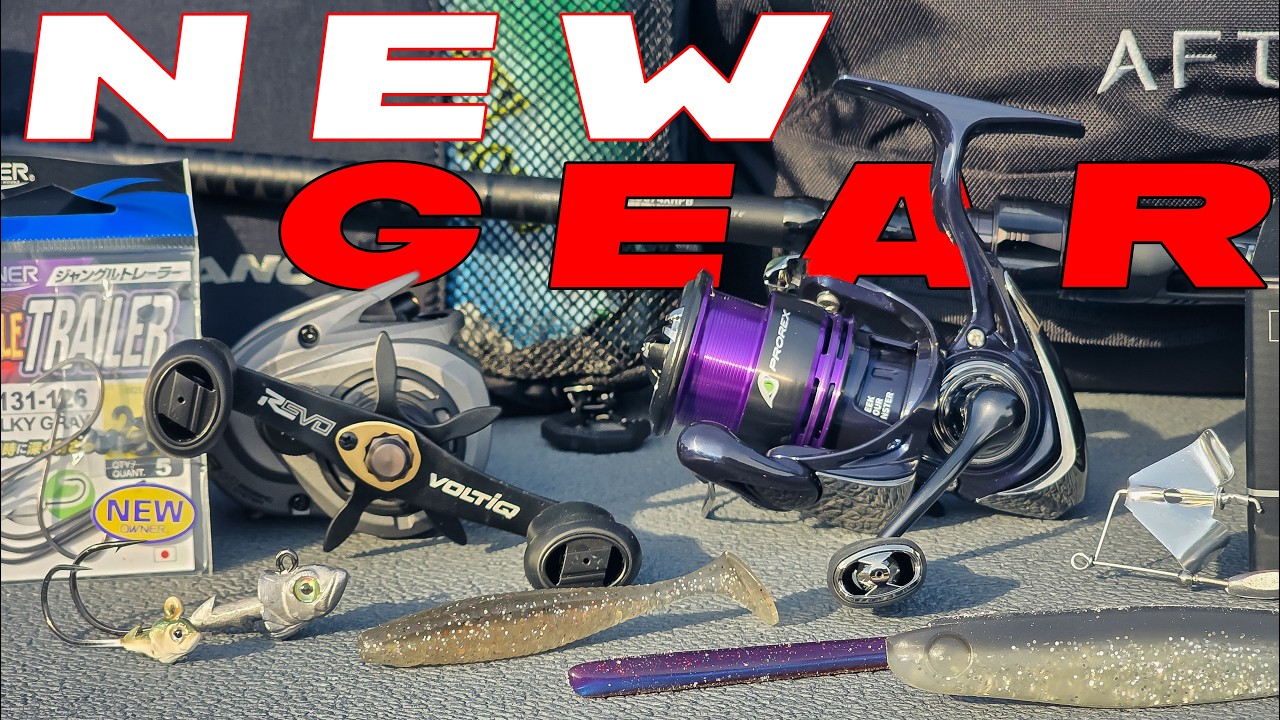
Understanding how fishing lures function can significantly enhance an angler's experience on the water. Insights into the sensory elements that attract fish reveal that even subtle details can impact catch rates profoundly. "Did you know that the right combination of sensory drivers can significantly impact your catch rates?" said fishing expert John Smith.
Testing different lures and retrieval methods allows anglers to discover what works best in specific conditions. This experimentation is key; according to Smith, “Incorporating technology, such as sound chips, can make lures more effective in attracting fish.” Notably, understanding predator-prey dynamics guides anglers in selecting lures that successfully mimic local baitfish.
One of the fundamental aspects that determine the effectiveness of a lure is its design. Factors such as shape, color, and hydrodynamics all play critical roles. “The design elements of lures, including shape and hydrodynamics, affect how they move and attract fish,” noted Lisa Adams, a marine biologist and fishing consultant.
The Sensory Drivers of Fish Behavior
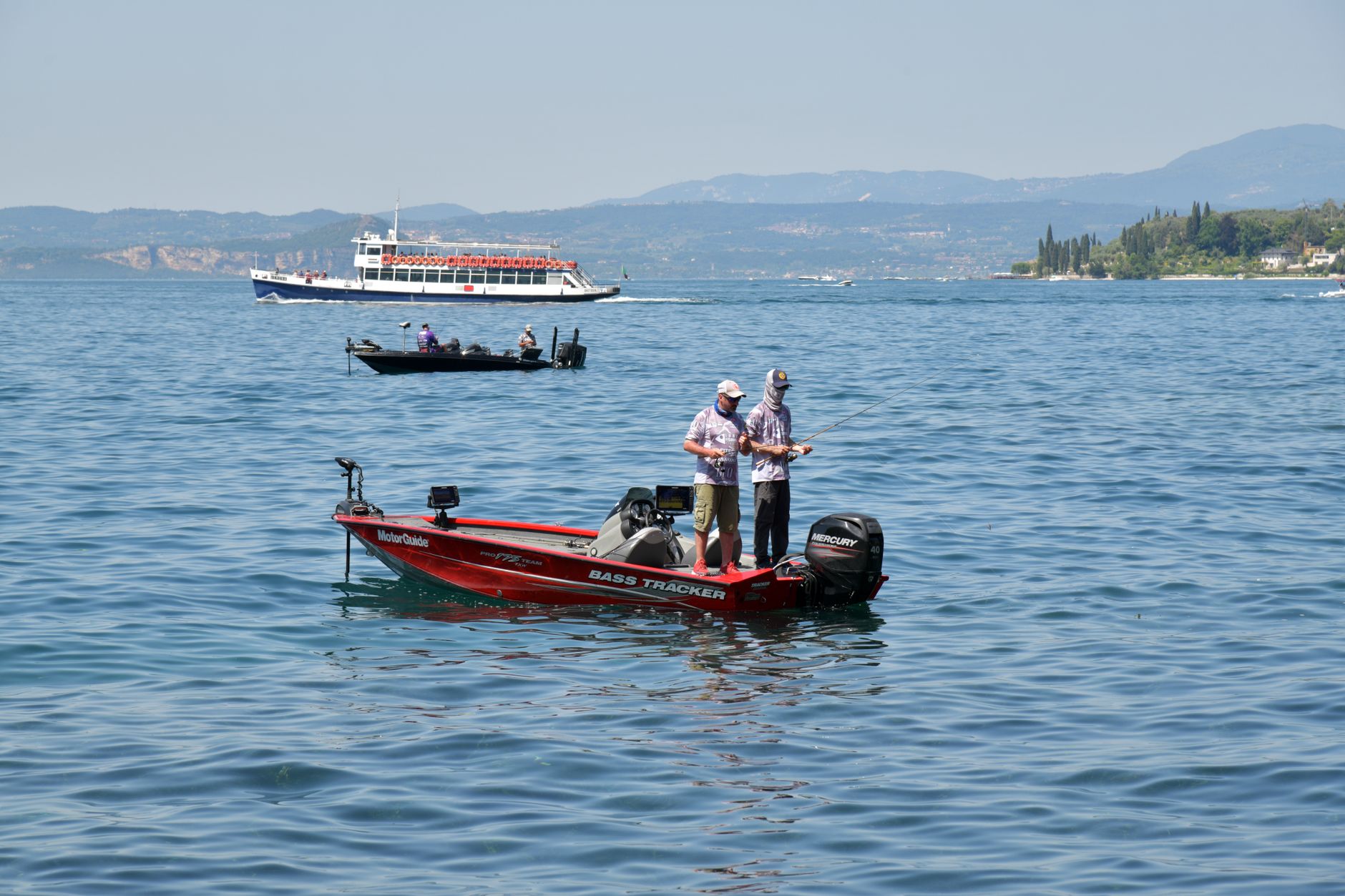
Fish rely on several sensory drivers to locate their prey, which can be explored through three main avenues: movement, sound, and vision. "Fish are equipped with remarkable sensory systems that help them navigate their underwater world and find food,” explained Adams.
- **Lateral Line**: This specialized system detects vibrations and movements in the water, helping fish react to nearby activity. - **Sound**: Vibrations and sounds can act as either attractants or repellents depending on the circumstances. - **Vision**: Sight is especially crucial—fish often use it to locate prey, particularly in clearer waters where they can discern finer details.
The Importance of Color
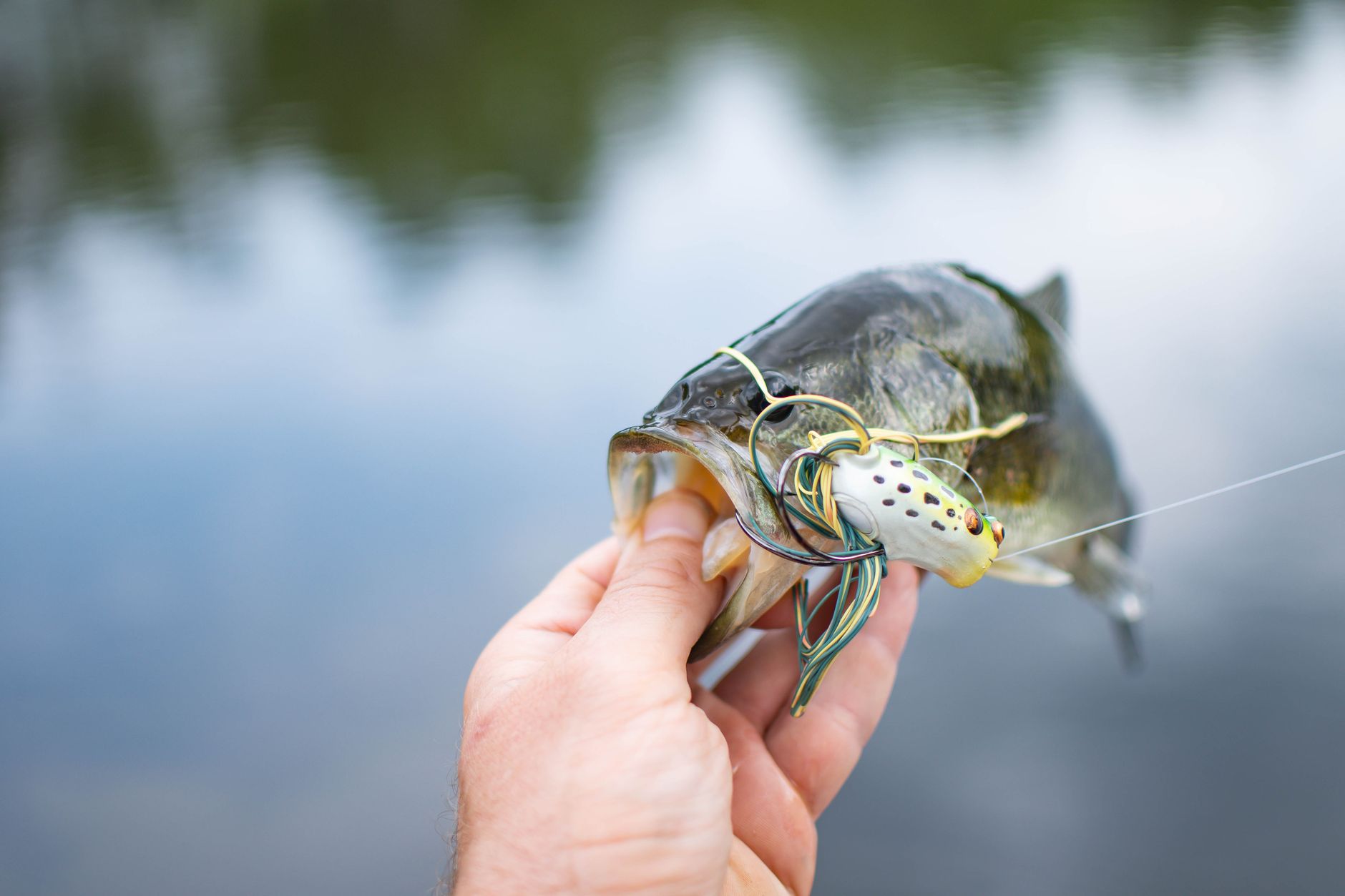
When it comes to color, the choice of hue could be a decisive factor in an angler's success. Fish generally prefer certain colors based on water clarity and depth. "They are generally more sensitive to certain colors—like blues and greens—especially in deeper waters," said Adams. Conversely, brighter colors can be advantageous in murky conditions, enhancing the visibility of lures.
“Choosing the right color for your lure can significantly impact your success rate,” emphasized Adams. As anglers venture out, they are encouraged to consider water clarity and select colors that will be most effective.
Sound and Vibration as Attractants
The role of sound and vibration cannot be overstated in the context of attracting fish. Many species, particularly bass and trout, respond positively to the sounds of distressed prey. “Using lures that create noise or vibrations can trigger a predatory response, prompting them to strike!” Adams added, highlighting the effectiveness of experimentations with lures featuring rattles or unique designs.

The Lateral Line System and Its Mechanics
As vital as sound and vision, the lateral line system allows fish to perceive changes in water movement and pressure. “This system is essential for hunting, especially in murky waters where visibility is limited,” said Smith. The ability to detect movement enables fish to locate nearby prey with astonishing accuracy.
“Understanding this system can enhance your approach to selecting lures and retrieving them in ways that stimulate fish curiosity,” Smith explained. This knowledge can shape decisions on lure types and retrieval methods, creating an enticing experience for hungry fish.
Designing Successful Lures
The final aspect to consider is how these sensory attributes translate into effective lure design. Factors such as action, retrieval method, and color visibility greatly influence success rates. "Experimenting with different retrieval techniques—like speed and action—can replicate natural prey behavior," Smith advised.
In conclusion, the effectiveness of fishing lures is deeply intertwined with the sensory perceptions of fish and how lures are designed to mimic those stimuli. Fish interact primarily through vision and sound, and recognizing these interactions can lead to improved fishing outcomes. Anglers who understand the science behind lures and incorporate this knowledge into their practices are likely to see enhanced success rates on their fishing trips. As Adams stated, "By selecting lures that create movement, you can effectively mimic the natural behavior of prey, making them more enticing!"