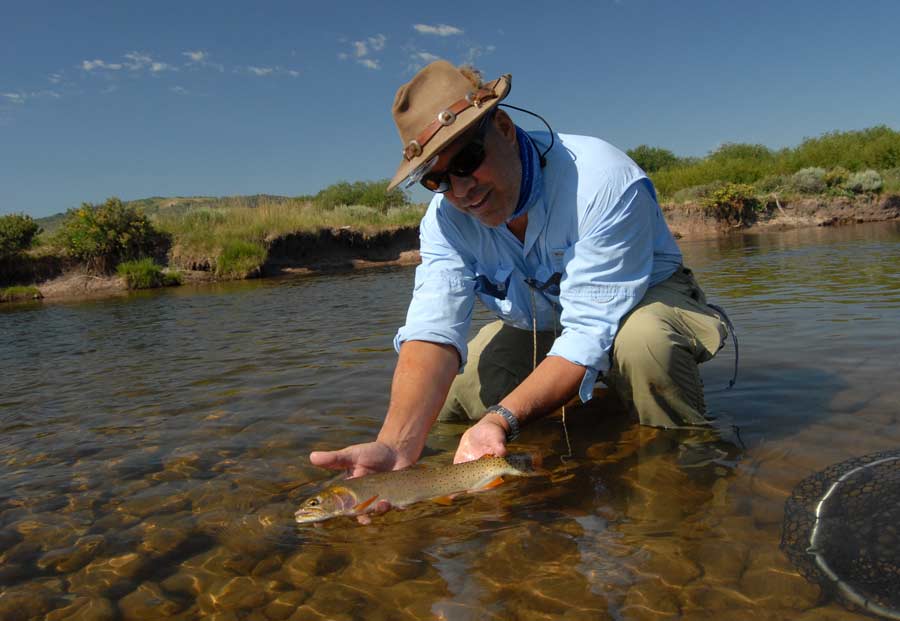
The mystique surrounding fly fishing often intimidates newcomers, creating an unnecessary barrier to what should be an enjoyable outdoor pursuit. While seasoned anglers frequently emphasize the importance of mastering complex skills like reading water currents and identifying aquatic insects, experts are now advocating for a more accessible approach that can help beginners find success on the water.
"If you want to actually catch fish, you've got to be able to read the water, figure out where the fish are," said one seasoned angler, echoing the traditional wisdom that has long dominated the sport. However, fishing guides and experienced practitioners are beginning to challenge this perfectionist mindset, arguing that novice anglers can achieve meaningful results by focusing on practical techniques rather than getting overwhelmed by the sport's technical complexities.
"If you want to actually catch fish, you've got to be able to read the water, figure out where the fish are,"
The reality is that even imperfect execution can yield impressive results when anglers understand a few fundamental principles. Rather than spending months perfecting casting techniques or memorizing entomology charts, beginners can employ strategic shortcuts that leverage natural water dynamics and fish behavior to their advantage.

**Embracing the 'Ugly Cast'**
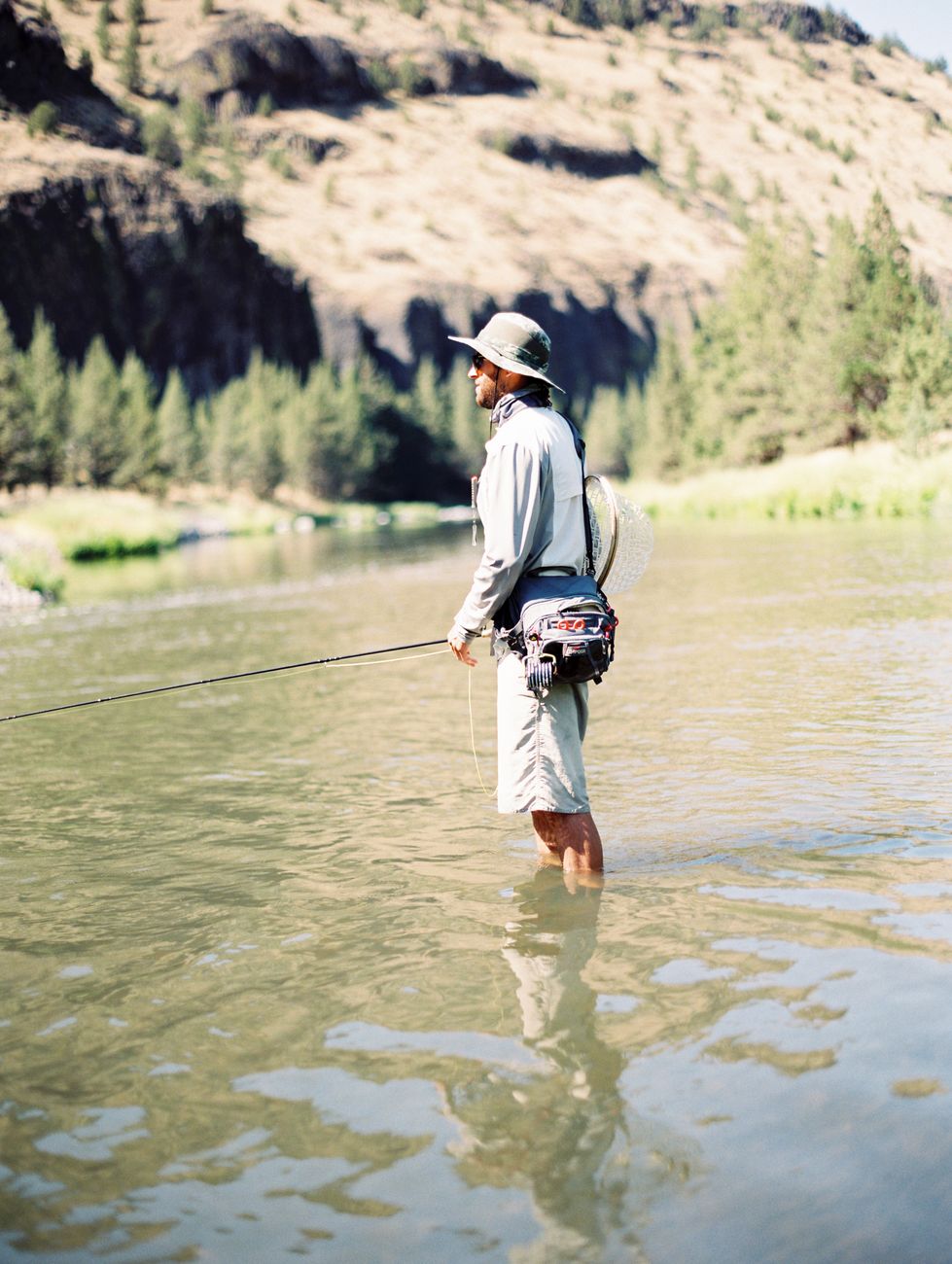
One of the most liberating concepts for new fly fishers is the notion that pristine casting technique isn't always necessary for success. The so-called "ugly cast" can actually provide advantages that textbook-perfect presentations cannot match.
"ugly cast"
"Sometimes an ugly, sloppy cast actually works better because all that slack on the water gives the fly more time to drift," explained one expert, highlighting how imperfection can work in an angler's favor. The key is understanding the underlying principle: fish are more likely to strike flies that appear to move naturally with the current rather than being dragged artificially through the water.
"Sometimes an ugly, sloppy cast actually works better because all that slack on the water gives the fly more time to drift,"
The technique involves casting several yards upstream of target fish, allowing the fly to float downstream in a more natural presentation. When a fish strikes, anglers should "raise the rod and strip in line to quickly pick up all the slack," the expert advised. This approach works particularly well for upstream fishing but can be adapted for downstream presentations with shorter drifts.
"raise the rod and strip in line to quickly pick up all the slack,"

**Working with Challenging Conditions**
Adverse weather conditions, particularly high winds, often frustrate beginning anglers who haven't yet developed the casting skills to overcome such obstacles. The "water haul" technique offers a solution that bypasses traditional casting entirely, using the water's surface tension as an aid.
"water haul"
"Let out as much line as you need, and allow the current to take the line directly downstream of where you're standing," suggested one professional guide. This method involves straightening the line before making a forward cast while maintaining contact with the water surface, which helps load the rod and enables more powerful, accurate presentations.
"Let out as much line as you need, and allow the current to take the line directly downstream of where you're standing,"
For this technique to work effectively with dry flies, anglers should ensure their flies receive adequate floatant treatment to maintain buoyancy throughout the drift.
**Maximizing Water Time**
A fundamental truth in fishing is that success correlates directly with time spent actively fishing. "You can't catch fish if your line isn't in the water," emphasized one experienced fisherman, pointing to a common mistake among beginners who frequently interrupt their fishing to adjust equipment or move between spots.
"You can't catch fish if your line isn't in the water,"
The concept of "fly trolling" encourages anglers to keep their lines wet even during transitions. Rather than reeling in completely when moving upstream or downstream, anglers can cast their flies while walking, allowing natural drifts to occur during what would otherwise be unproductive time.
"fly trolling"
**Overcoming Selective Fish During Hatches**
Even experienced anglers can struggle when fish become selective during insect hatches, making it challenging to determine exactly which patterns will trigger strikes. Rather than attempting to perfectly match the specific insects emerging, some experts advocate for a counterintuitive approach.
"Look through your fly boxes for your most garish attractor pattern," recommended one veteran angler. This strategy recognizes that fish sometimes fixate on particular characteristics of insects rather than requiring exact imitations. Bold, flashy patterns can capture attention and trigger strikes from fish that might ignore more subtle presentations.
"Look through your fly boxes for your most garish attractor pattern,"
This approach proves particularly valuable when anglers cannot identify the specific insects that fish are targeting, turning uncertainty into an opportunity to experiment with high-visibility options.
**The Importance of Stealth**
Positioning and movement control remain crucial elements of successful fly fishing, regardless of skill level. Fish remain highly sensitive to disturbances above the waterline, making angler visibility a critical factor in success rates.
"Fish can be easily spooked by movement above the waterline; stay low to the water to avoid being seen," advised a veteran practitioner. This principle applies whether wading or fishing from banks, emphasizing that successful fishing often resembles hunting in its requirement for stealth and patience.
"Fish can be easily spooked by movement above the waterline; stay low to the water to avoid being seen,"
These practical approaches demonstrate that fly fishing success doesn't necessarily require years of study or perfect technique execution. By focusing on water dynamics, fish behavior, and strategic positioning, novice anglers can experience the satisfaction of landing fish while gradually developing more advanced skills through hands-on experience rather than theoretical study.