As spring beckons, so does the excitement of targeting striped bass in tidal rivers. With the right techniques and insights, anglers can maximize their success when pursuing this sought-after species. It’s that time of year when striper migration begins and experienced fishers know how to make the most of this prime fishing season.
"Stripers start hunting in tidal rivers as early as the first couple of weeks of March," said Gary Caputi, an expert angler and contributor to fishing publications. The timing of this migration is heavily influenced by weather conditions, especially the severity of winter, which in turn affects water temperature, flow, and clarity.
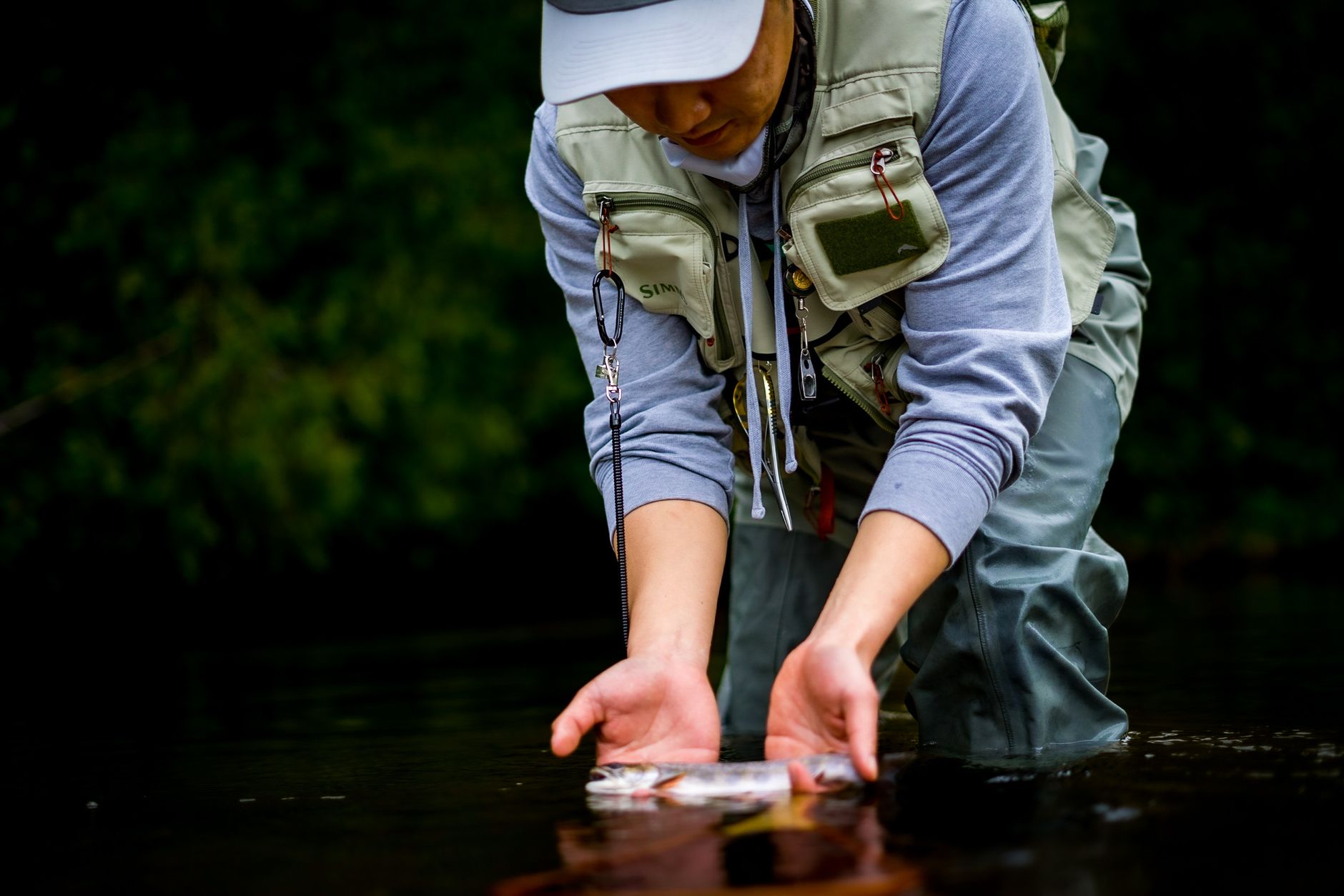
Caputi emphasizes the importance of being well-prepared for early-season fishing. "Warm clothing, boots and a rain suit make up the ensemble needed to stay warm and dry while fishing and running a boat from spot to spot." For those who have access to tributaries like the Navesink, Shrewsbury, and Raritan Rivers, the opportunities are bountiful.
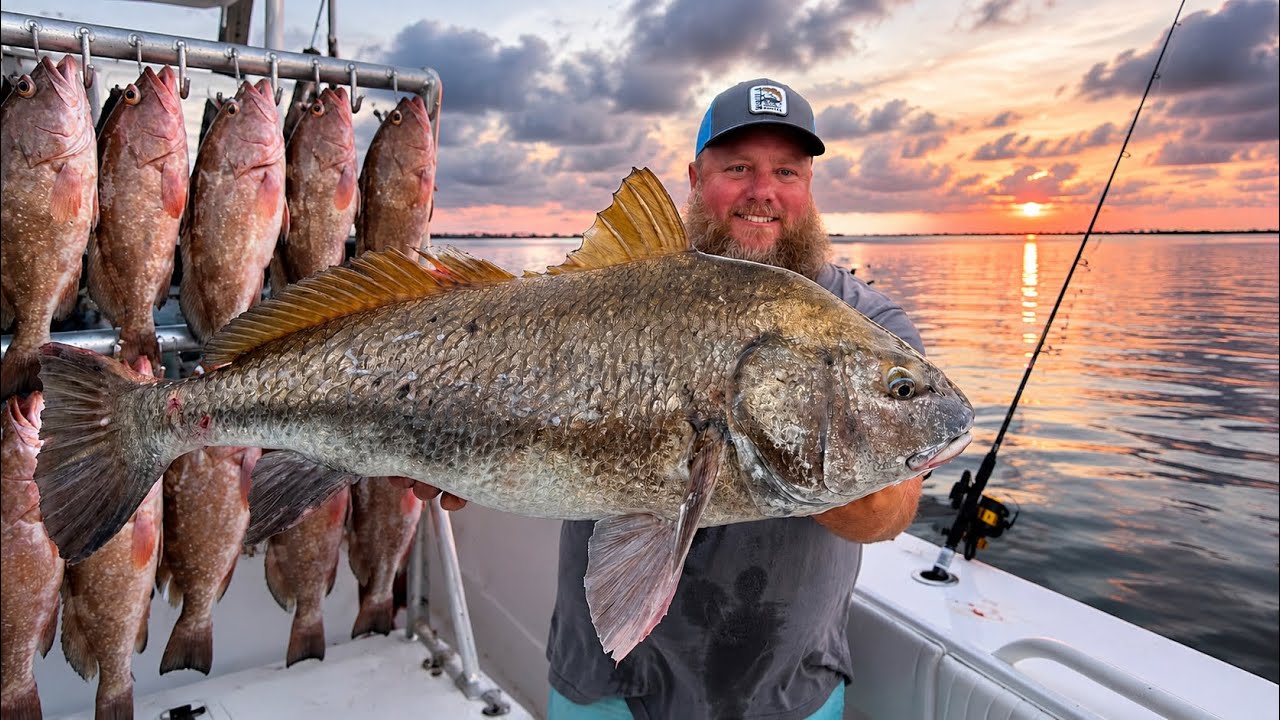
These rivers are integral to the ecosystem, providing a nursery for young striped bass and playing host to larger fish as they return to spawn. Caputi remarked, "The majority of spring bass are school-size fish from 16 inches to 20 pounds," which keeps the action lively for anglers.
The Hudson River is notable for its significant striped bass population, competing only with Chesapeake Bay in terms of production. This positions the region as an attractive destination for anglers keen on catching both quantity and quality.
In terms of gear, Caputi advises fishermen on the merits of smaller boats. "You do not need a big boat for river fishing. In fact, small boats that can get into skinny water are the way to go." This adaptability allows for stealthy approaches to often-overlooked spots where stripers may be waiting.
A crucial addition to one’s fishing arsenal is the trolling motor. "A trolling motor is a huge advantage because it allows you to get into calm backwaters quietly and to work coves, sedge banks, and smaller feeder creeks methodically," Caputi pointed out. This method enables anglers to cover more ground effectively while minimizing disturbances in the water.

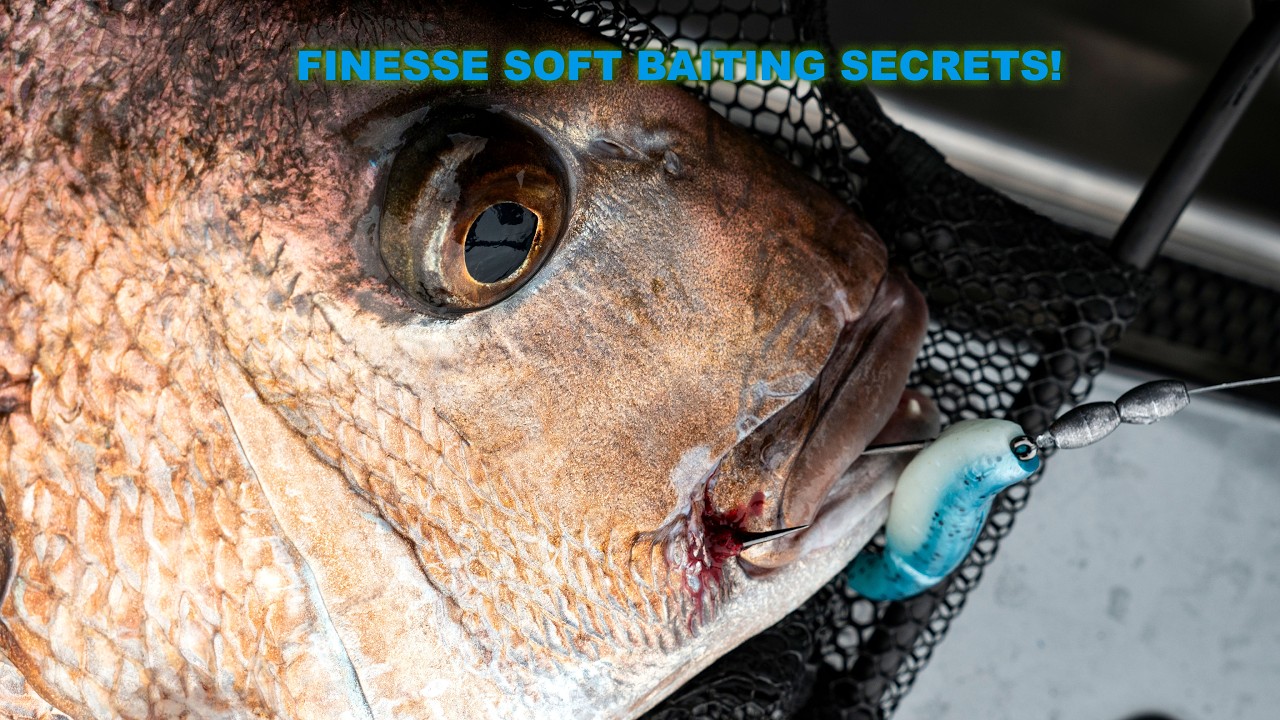
During spring, using artificial lures becomes a game changer in capturing the attention of hungry striped bass. Caputi notes that, "Artificial plugs and soft baits excel in tidal rivers, leading to exceptional action in the springtime." These lures can mimic prey effectively and are a preferred choice among seasoned fishers.
The appeal of targeting striped bass in tidal rivers lies not just in the potential for sizable catches but also in the experience of fishing itself. "This is my favorite striper fishing of the year," shares Caputi. His enthusiasm highlights the thrill associated with the chase of these striped predators as they return to familiar waters.
As the fishing season unfolds, anglers can look forward to improved production as conditions become favorable. The anticipation of the striper run represents a time of excitement, community, and tradition for fishers across the region. Armed with tips and knowledge from experts like Caputi, participants can navigate the challenges of fishing with confidence.
Ultimately, targeting striped bass in tidal rivers offers both seasoned and novice anglers a chance to engage with nature while honing their fishing skills. As waters warm and the fish become more active, those who prepare thoroughly stand the best chance for success this season.