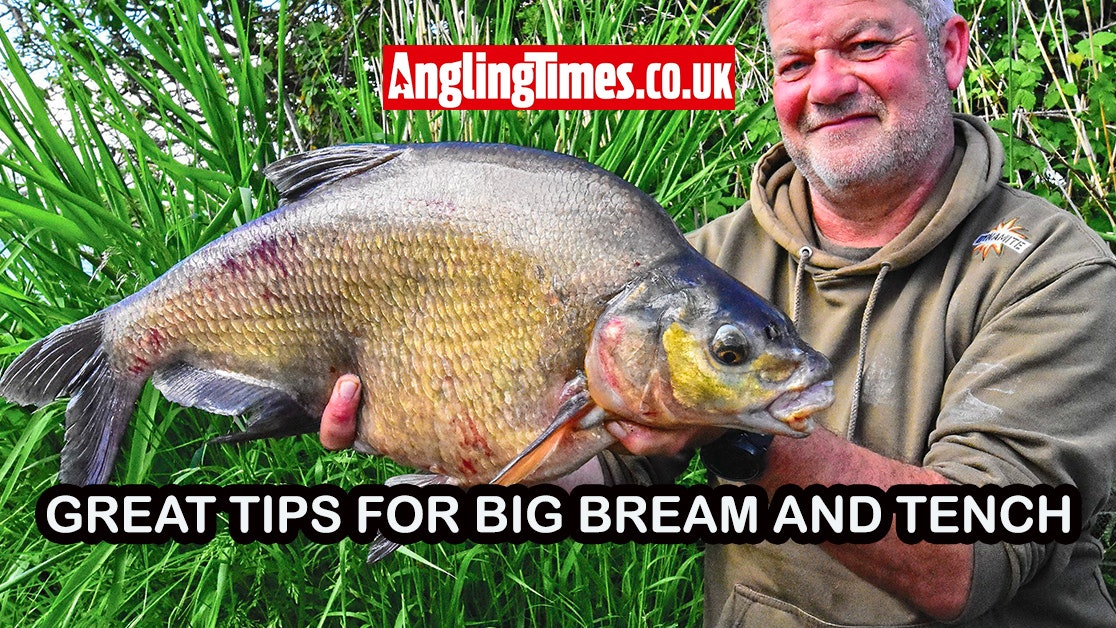
Fishing for large bream and tench in expansive waters can initially seem overwhelming. However, a few essential strategies can significantly improve your chances of landing trophy-sized fish. Darren Starkey offers insights into how anglers can successfully navigate these challenges to achieve rewarding results.
"Tackling large, open expanses of water for specimen bream and tench can be a daunting business – but by following a few simple guidelines, the rewards are there to be had," Starkey explained.
One of the primary difficulties in these environments is the lack of obvious features to target, such as islands or prominent underwater structures. Without these guides, it can be perplexing to decide where to concentrate one’s efforts. Yet, astute anglers can recognize subtle clues that point to the best spots.
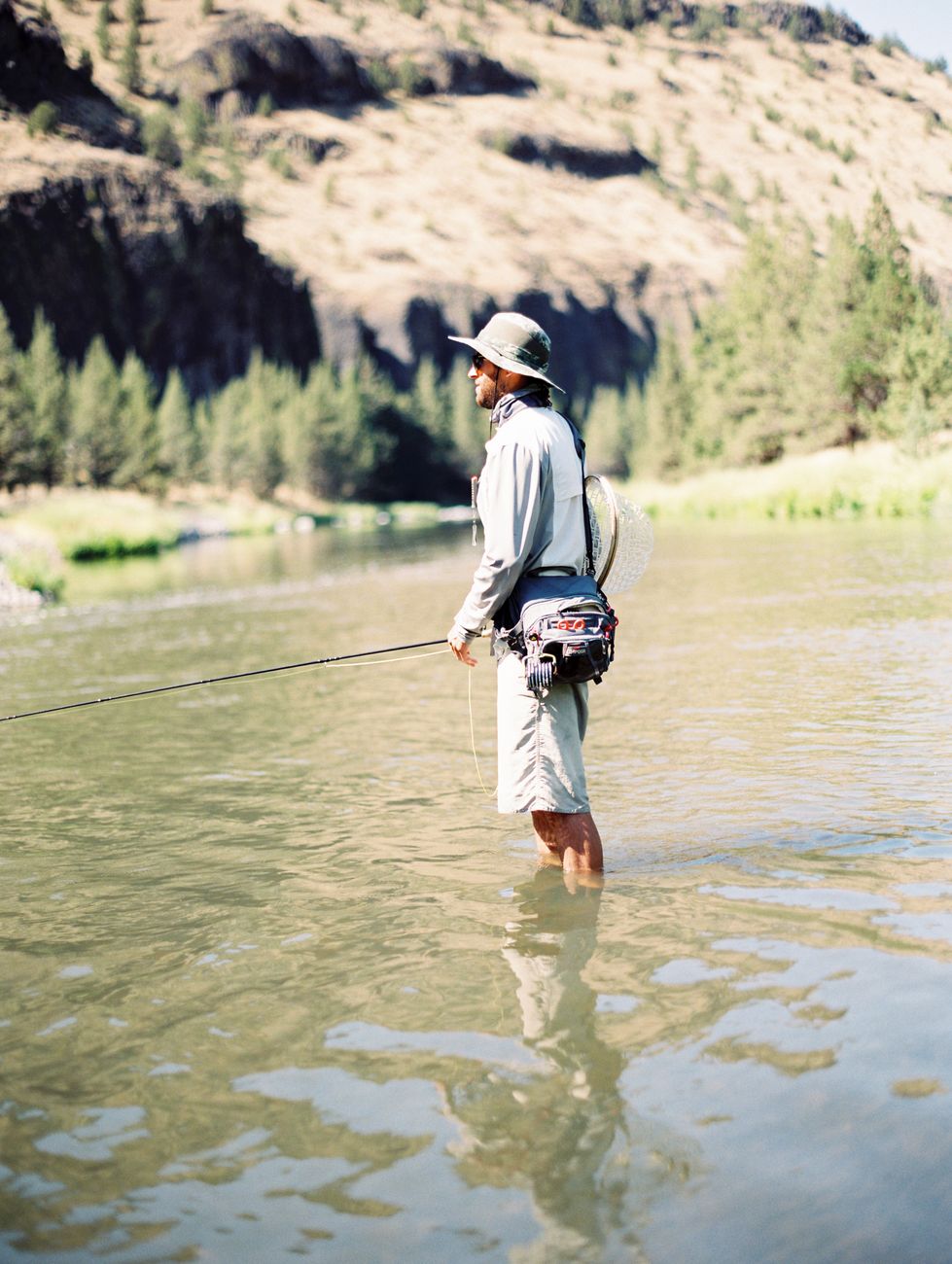
"Bream are renowned for living well away from the bank, so a decent cast between 40-60m is usually a good starting point," Starkey advised. To maximize effectiveness, he recommends using two rods fished in tandem within the same area.
Starkey elaborates on his preferred setup: "One is rigged up with a maggot feeder and the other with an open-end feeder packed with groundbait, with a worm kebab as hookbait." This dual approach allows for different bait presentations over a steadily built bed of bait.
Regular casting is essential, especially at the outset, as Starkey notes, "Regular casting is important in these early stages, to lay down a bed of bait." Given that big bream and tench are known for their eagerness to feed, he typically re-casts within 15 minutes to maintain productive fishing conditions.
In terms of bait composition, Starkey emphasizes the necessity of adaptability. "If one rig turns out to be doing more bites, don't hesitate to switch both rods over to it," he said. He prefers a specific blend when filling his feeders: a 50/50 mix of Dynamite Marine Halibut and Frenzied Hemp Big Feed, combined with Worm Meal.
"This has a dark brown colour, and the attraction is enhanced with the addition of XL Liquid Worm to the mixing water. Some 3mm Dynamite Baits Swim Stim Red Krill pellets also go in," Starkey explained. This concoction not only offers a rich food source but also generates enticing aromas that captivate bream and tench.
Once fish start to bite, maintaining that connection is critical. Starkey cautions that a flurry of catches could scatter the remaining fish. "The commotion caused by a few fish being caught can push the shoal away but a few Spombs of bait can encourage them back in," he remarked.
To achieve precise bait distribution, Starkey utilizes distance sticks. "Using distance sticks, I clip the Spomb rod up at the same distance as the feeders," he detailed. His topping-up routine generally involves 3-5 payloads of a potent loosefeed mix, which includes hempseed, pellets, Dynamite Spod and Bag Mix, along with red maggots. This method proves efficient for accurately delivering a substantial amount of bait.
"You might think this would be a recipe for a very long spell of inactivity, but you’ll be amazed just how quickly fish will settle once they realize there’s a buffet of food to enjoy," Starkey assured.
In conclusion, while targeting large bream and tench in open waters may seem intimidating at first, employing the right techniques can lead to remarkable success. Anglers should consider Starkey’s expert advice and strategies to enhance their next fishing expedition, giving themselves a significant edge in pursuit of larger catches.