Flathead are a popular target among Australian anglers for their predatory nature and excellent taste. The ease with which they can be caught, especially with soft plastics, has made them a favorite across estuaries and shallow bays. These versatile lures mimic the movements of baitfish, making them irresistible to flathead and yielding successful fishing outings.
"Flathead are classic ambush predators," explained Damian Bowman, a fishing expert. These fish often lie hidden in sand or mud, waiting for vulnerable prey to pass by. When a baitfish or crab comes into view, a flathead strikes with remarkable speed. Understanding their key behavioral traits, such as habitat preference and feeding patterns, is essential for any angler looking to improve their catch rate.
Typically, anglers find flathead in areas like sandbanks, drop-offs, or estuary channels. "The best time to fish for flathead is during the run-out tide," said Bowman, emphasizing that bait is pushed off the flats during this period. The secret lies in knowing that these fish tend to strike from below, which means adept retrieval techniques are vital.
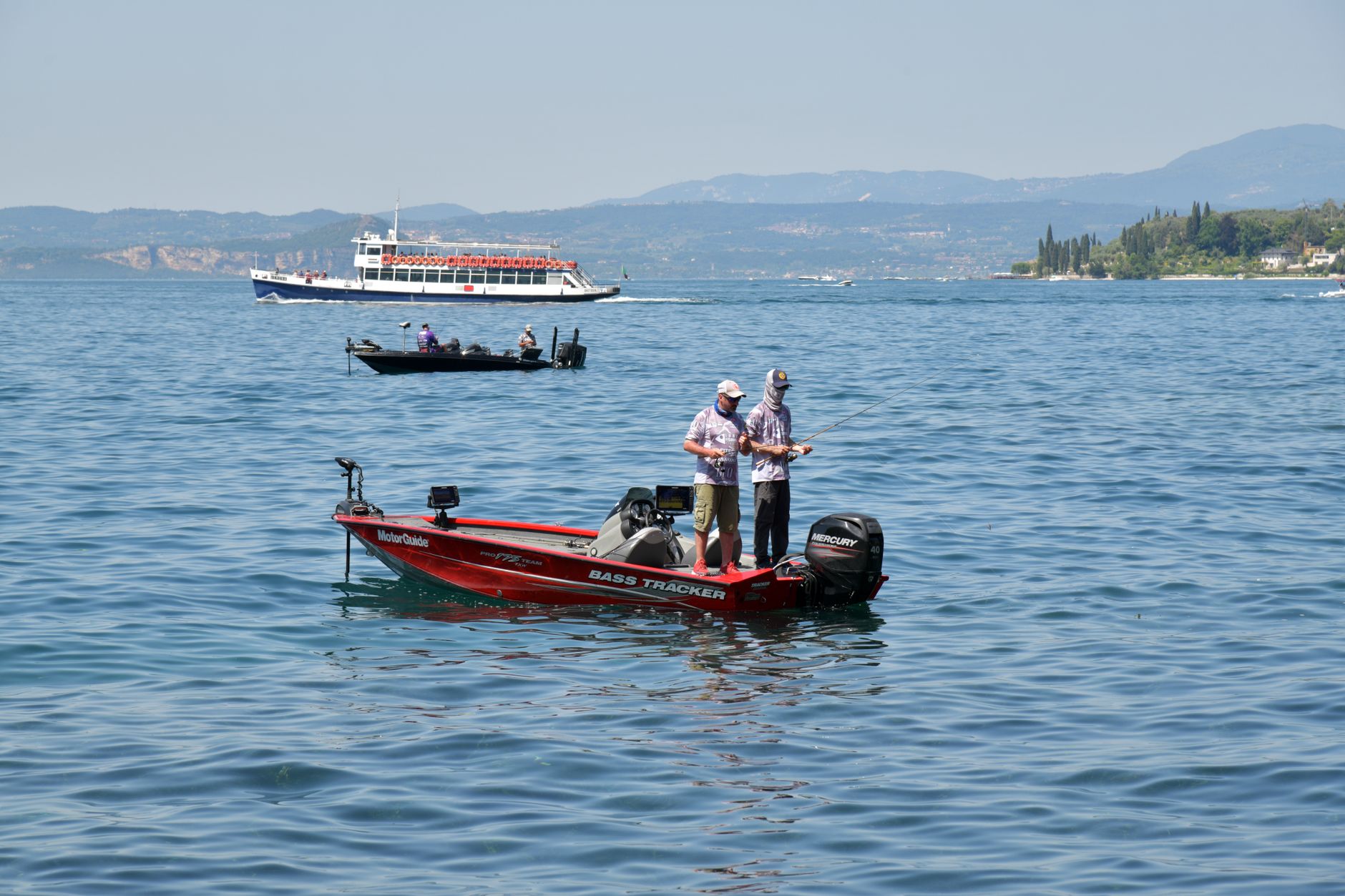
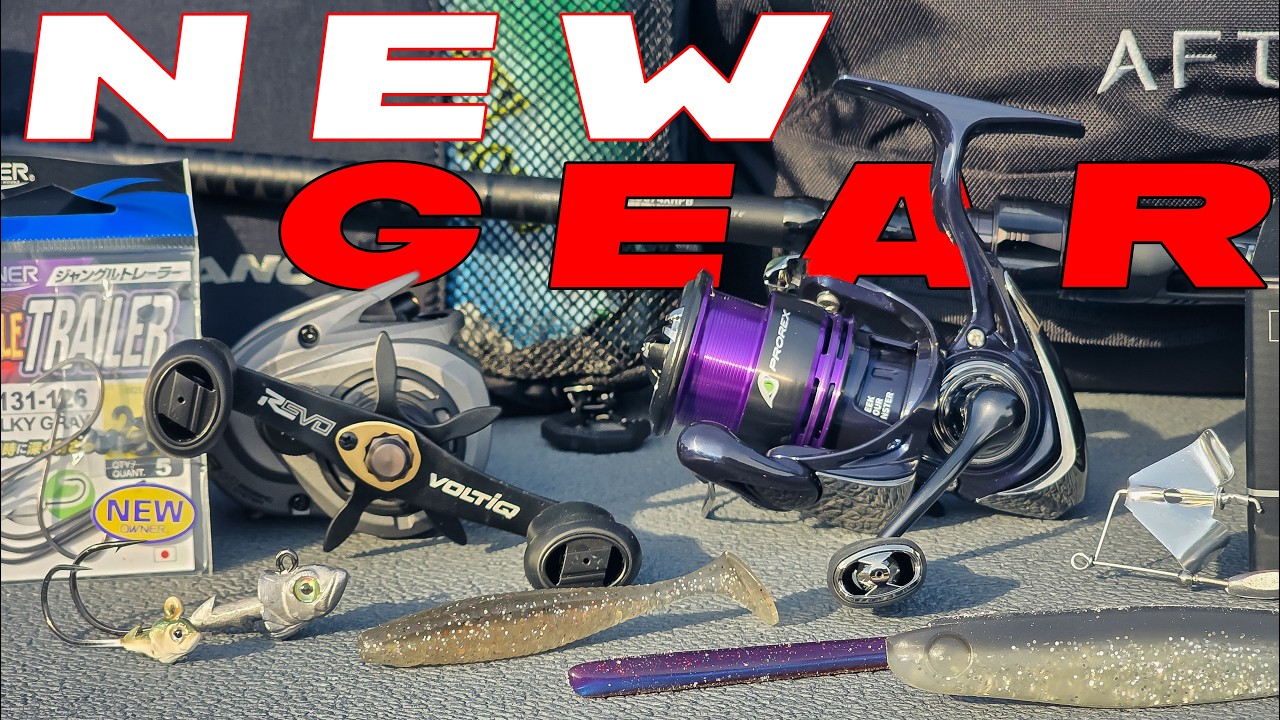
For those looking to perfect their flathead fishing game, the right gear makes all the difference. A quality rod is essential for detecting even the faintest bites and ensuring effective lure action. Rod specifications should include a length of 6’6” to 7’2” with medium-light power. "Fast taper for quick hook sets" is also recommended, according to expert sources.
Some highly recommended rods include the Insalt Flickstick, designed to handle deeper water, and the Shimano Zodias, which offers exceptional sensitivity. A good reel is equally important, with a 2500 to 3000-size spin reel being ideal. "Look for smooth drag systems to help avoid tearing hooks during sudden fights," noted Bowman.
Next, anglers need to focus on their line and leader choices. A braid mainline between 6–10lb is suggested for optimal casting distance, complemented by a 10–14lb fluorocarbon leader for added stealth and strength. "When you’re up against big fish or heavy structures, consider stepping up to a heavier leader," advised Bowman.
Choosing the right soft plastics is crucial to attracting flathead. Although these fish are not particularly picky, certain profiles and presentations can significantly enhance catch rates. For example, paddle tails, typically sized 3 to 5 inches, create a seductive tail action perfect for covering large areas. Popular choices include the ZMan MinnowZ and Insalt Softcore Paddletail.
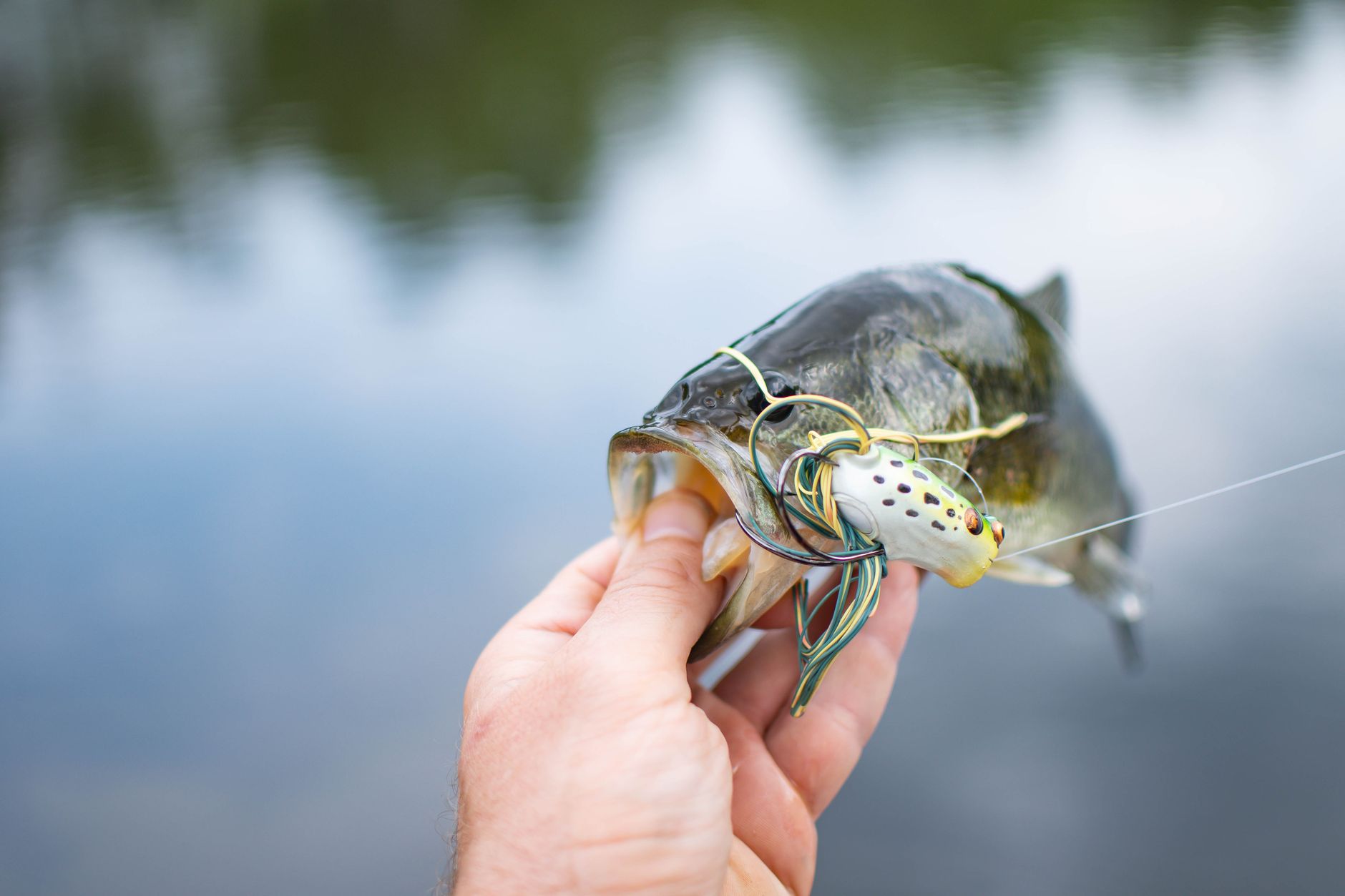
Additionally, curl tails are effective even when stationary, making them ideal for times when fish can be more selective. "The Gulp Grub and ZMan GrubZ are fantastic options in cooler waters," suggested Bowman. Equally effective are jerk shads and creature baits, which can simulate injured prey, enticing flathead in various conditions.
Color selection further influences success rates. In clear water, natural hues like silver and watermelon tend to work best, while brighter colors like chartreuse can attract fish in murky waters. "For low light conditions, darker colors or those with gold flecks often provide an advantage," Bowman outlined.
It’s also worth noting that scented plastics, such as Gulp!, can work wonders during tougher fishing days. According to Bowman, "Flathead tend to hold onto these longer, which increases your chances of hooking them."
Presenting soft plastics effectively involves matching them with the right jigheads. Using a jig that’s too heavy can result in losing the lifelike action essential for attracting flathead. "For shallow waters, a lighter jighead is advisable, while heavier weights are suited for deeper areas," explained Bowman.

A helpful guide for selecting jighead weights includes: - Depth of 0.5–1.5m: 1/16 – 1/8 oz - Depth of 1.5–3m: 1/8 – 1/4 oz - Depth of 3–5m: 1/4 – 3/8 oz This approach ensures that the lure can effectively reach the feeding flathead in their strike zone.
Once you’ve selected your gear and lures, the technique of retrieval becomes paramount. Flathead respond best to movements that mimic the behavior of injured prey, which involves a ‘hop and pause’ method or a ‘slow roll with occasional lift’ technique. "A lot of strikes happen during the pause phase, so be ready to respond to taps or pressure," Bowman advised.
As Australian anglers gear up for their flathead fishing expeditions, understanding the appropriate techniques, gear, and soft plastic setups will undoubtedly yield impressive results. With these expert strategies, the chances of landing a prized flathead are higher than ever, making every fishing trip an exciting adventure.