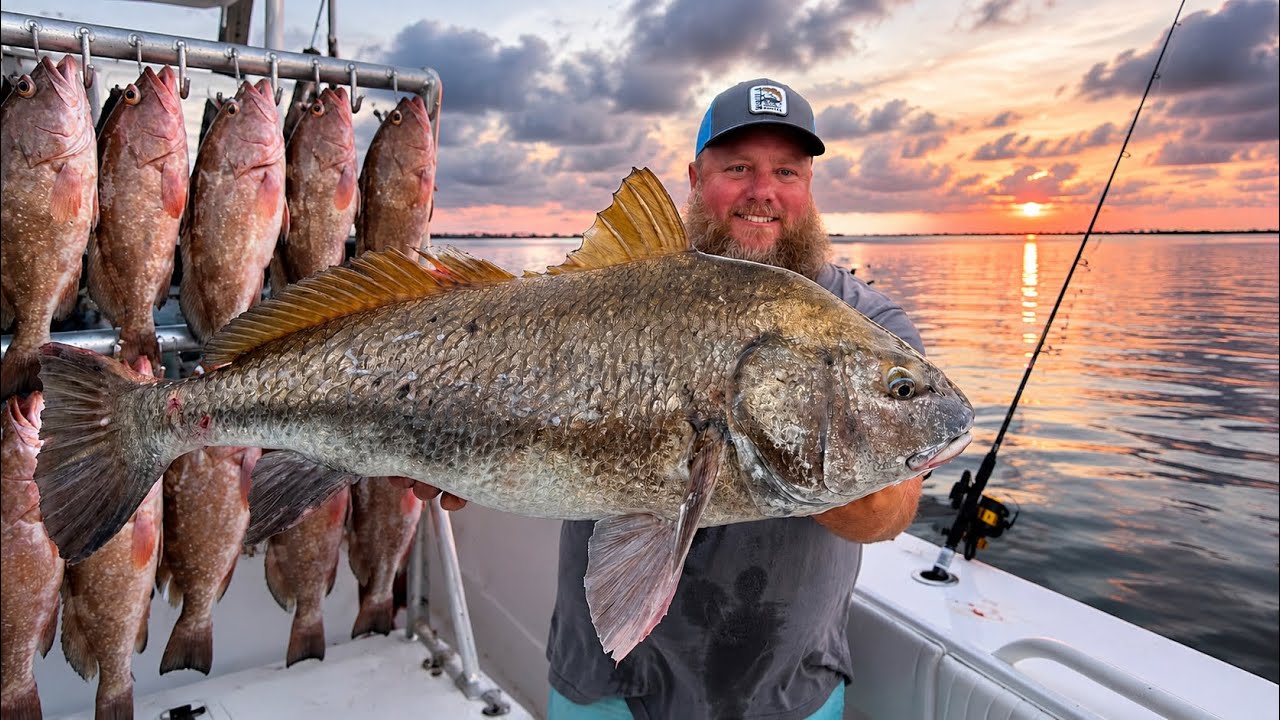
Bream fishing offers both the thrill of the catch and a tasty addition to the dinner table. However, catching these feisty fish consistently is about more than just luck; it requires a solid understanding of their habits and habitats. Bream can be picky eaters, but when done correctly, they are aggressive feeders, providing an exciting challenge for anglers.
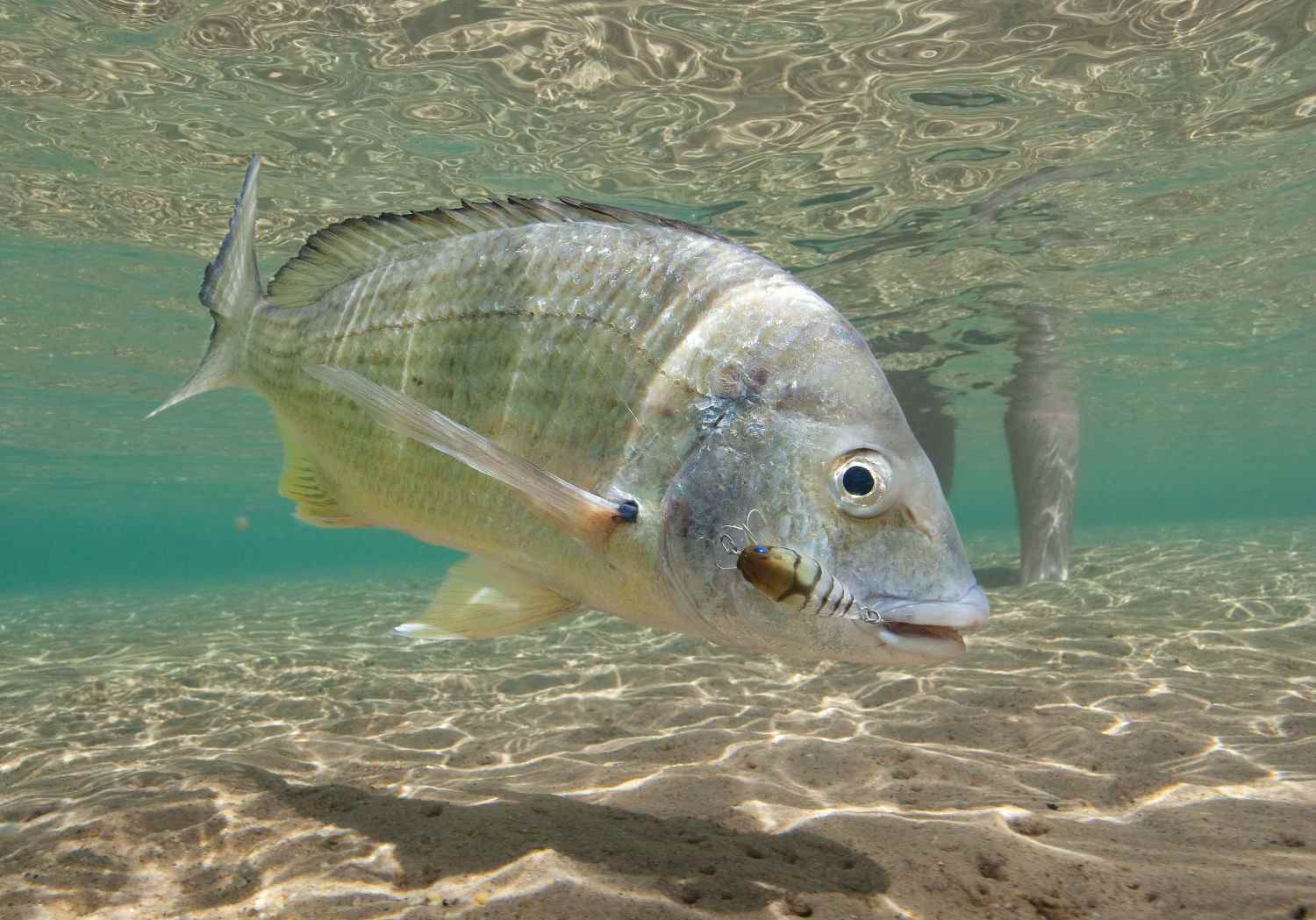
In Australia, three primary species of bream capture the attention of recreational fishermen: the eastern yellowfin bream, the southern black bream, and the pikey bream. "The eastern yellowfin bream, also known as silver bream, can grow to an impressive 66cm and weigh up to 4.5kg," noted an experienced angler familiar with local waters. This species is commonly found in various environments, from coastal areas to deep estuaries.
The southern black bream is another prevalent species, distinguishable by its darker fins compared to its yellowfin counterpart. It can reach sizes of up to 60cm and 4kg, although juvenile fish are often caught weighing around 1.5kg. Meanwhile, the pikey bream is the tropical variety, typically found in shallow waters and estuaries from Rockhampton in Queensland to Exmouth in Western Australia. They usually weigh between 300g to 1kg but can grow up to 3kg.
To target these bream species effectively, it's essential to know where to find them. "Yellowfin bream inhabit the coastal and estuarine waters of Eastern Australia, ranging from Townsville to Lakes Entrance in Victoria," explained a regional fishing guide. This fish thrives in a variety of habitats, including offshore reefs and tidal rivers.
Black bream, in stark contrast, are primarily found in estuarine environments from Mallacoota in Victoria to Shark Bay in Western Australia. "Black bream are much less likely to venture into offshore waters and often thrive in freshwater rivers and lakes," added a fisheries expert. Likewise, the pikey bream prefers estuarine areas and is often seen around submerged structures like fallen trees.
The gear used for catching bream has evolved significantly from the handlines of the past. Today, anglers often select light to medium rods ranging from 1.8m to 2.3m. "Matching these rods with threadline reels in the 1000-2500 size range helps ensure a successful catch," shared a long-time bream fisherman. Braided main lines of 1-3kg are popular among lure anglers, while bait fishers tend to use nylon monofilament lines.
An angler often highlights, "Fresh and live baits such as pink nippers, prawns, and cut fish flesh are superb for catching bream. It’s often best to collect your bait from the fishing location itself." Prepared baits can also be effective; for instance, dough and blood worms attract scavenging bream. Fine-gauge, sharp hooks should fit the bait closely, with the minimal amount of lead being used to optimize the fish’s likelihood of taking the bait.

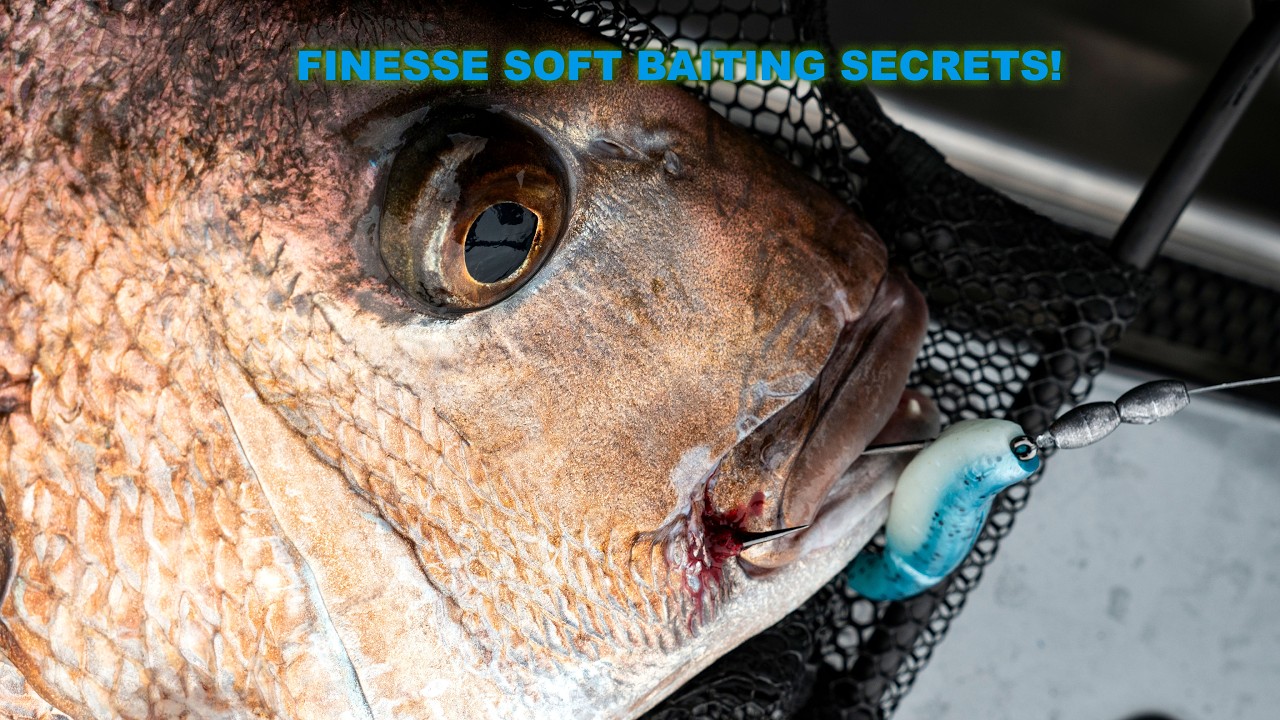
In terms of rigging, the running ball sinker setup is recommended for its versatility. "This rig allows for a natural presentation that bream find enticing," shared an experienced angler. Additionally, having a variety of soft plastics in different colors and styles can be advantageous for luring bream successfully.
Fishing for bream isn’t just about the gear or bait; understanding their feeding behaviors is also critical. Anglers agree that proper presentation is key. "The moment your bait or lure hits the water, consider how it looks and moves—the right presentation can mean the difference between a catch and going home empty-handed," advised a local fishing expert.
Outlook: With their accessibility and delicious taste, bream continue to be a favorite target among anglers across Australia. As equipment becomes more sophisticated, both novices and seasoned fishermen can improve their technique and learn to read the conditions better, ultimately increasing their chances of a successful catch and ensuring that bream remain a staple of Aussie fishing culture.