The art of flats fishing in Florida demands a keen understanding of various factors that can affect the chances of a successful catch. Aiming to streamline the learning process for both newcomers and experienced anglers, insights have been compiled on key topics such as situational awareness and the significance of water temperature.
"Nothing affects a fish more than water temperatures; they can detect tiny changes and react as needed for survival," explained an experienced fisherman. This observation highlights the importance of monitoring water temperatures, especially in the fluctuating climatic conditions of Florida. The angler noted that having a water temperature gauge can be crucial for successful fishing, stating, “I am looking for [cooler](/gear/cooler) water in summer and winter, naturally, warmer water, even if just a few degrees.” This slight variation can be significant as warmer water tends to attract fish, particularly during seasonal transitions.
When it comes to weather conditions, a common misconception exists regarding high-pressure systems. "If I had a dime for every time I heard that ‘Fish feel atmospheric pressure, that is why fishing in High-Pressure weather conditions is so difficult,’ I could retire already,” shared an industry expert, dismissing the myth that fish are affected by atmospheric pressure. Instead, they emphasized that fish react to changes in their immediate environment as they traverse different depths of water. "What those weather conditions can and do bring is winds and clearer skies…,” the expert added, noting that these factors can influence fish behavior, prompting movement and activity.
On the topic of tides, one seasoned angler mentioned, "I am not all hung up on Tides as many are... I fish when I can and look for water movement to help bring the fish a meal." This perspective encourages anglers not to be overly reliant on tidal patterns but to remain adaptable and attentive to other elements of the fishing environment. Utilizing low tide conditions for visual scouting can reveal essential bottom structures, which can lead to productive fishing spots when the tide comes in.
The use of technology can further enhance the fishing experience. “Google Earth saves me time and fuel in finding new flats to fish,” one fisherman remarked. Utilizing tools to identify promising features like points, oyster beds, and tidal creeks can lead to discovering hidden fishing gems. The convenience of being able to zero in on specific locations with latitude and longitude coordinates is invaluable.
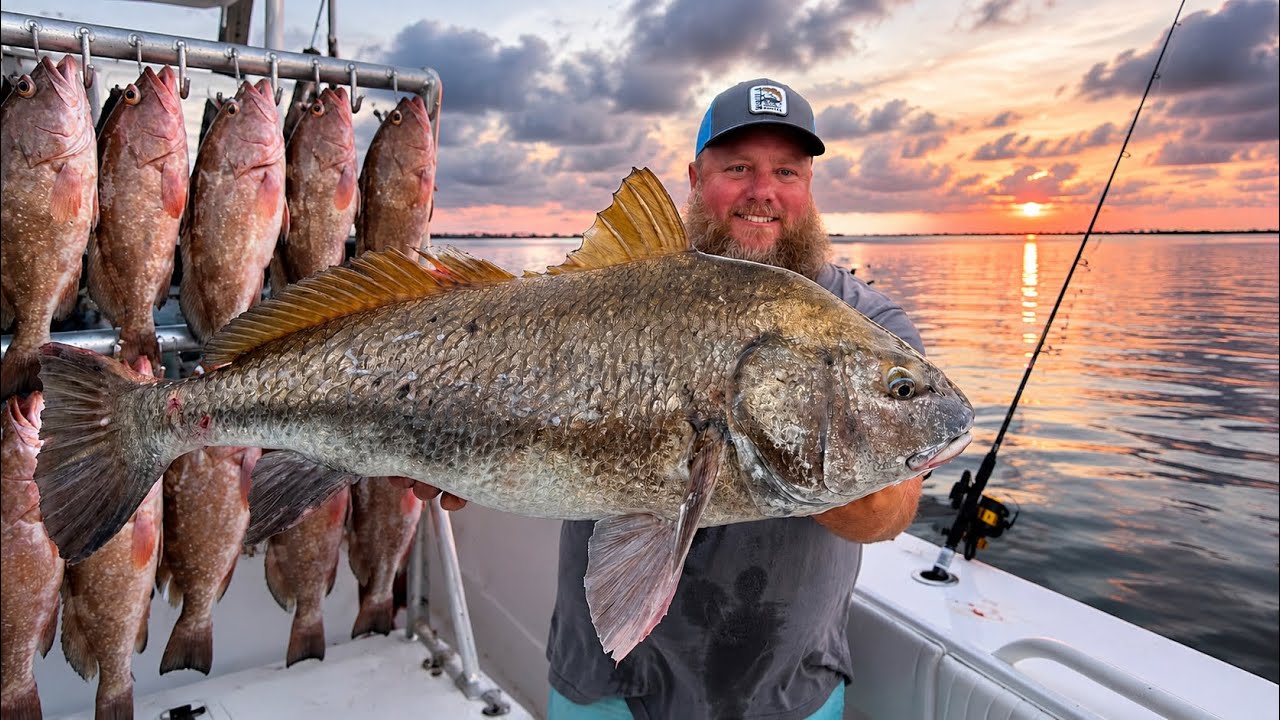
Anglers should also pay attention to ambush points such as docks and points, as these are prime locations for fish. "Many Flats fish are ambush feeders," noted a veteran angler, especially highlighting reds for their feeding patterns. This emphasizes the need for tactical positioning and patience in spotting ripe fishing opportunities.
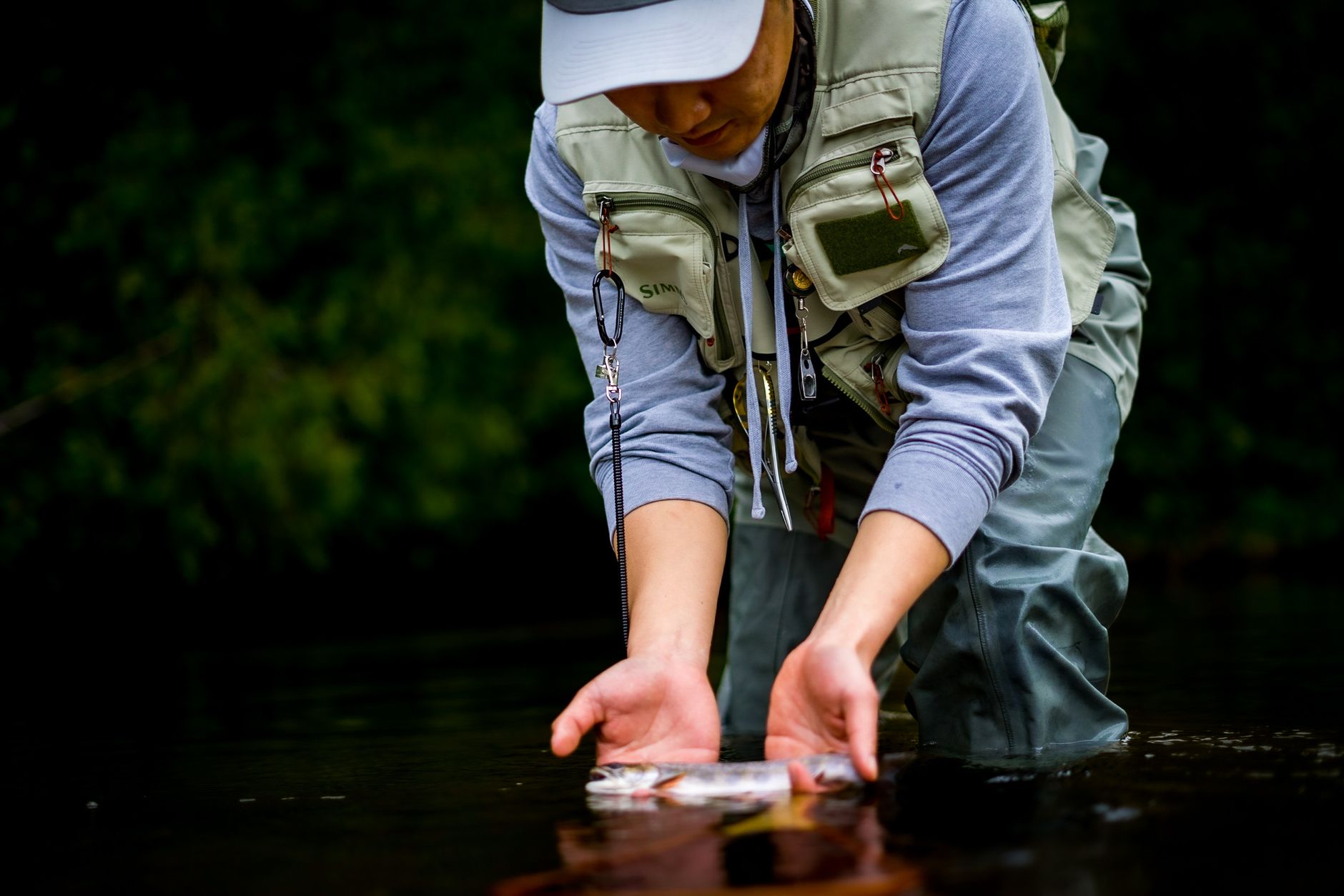
Proper gear ensures comfort and effectiveness in the field. "A quality pair of Polarized sunglasses, a face and neck shield, and a cool ball cap or visor are critical," said one participant, pointing to the necessity of protecting oneself from sun and wind exposure while out on the water. Investing in performance wear designed for fishing can also provide comfort while blending in with the surroundings.
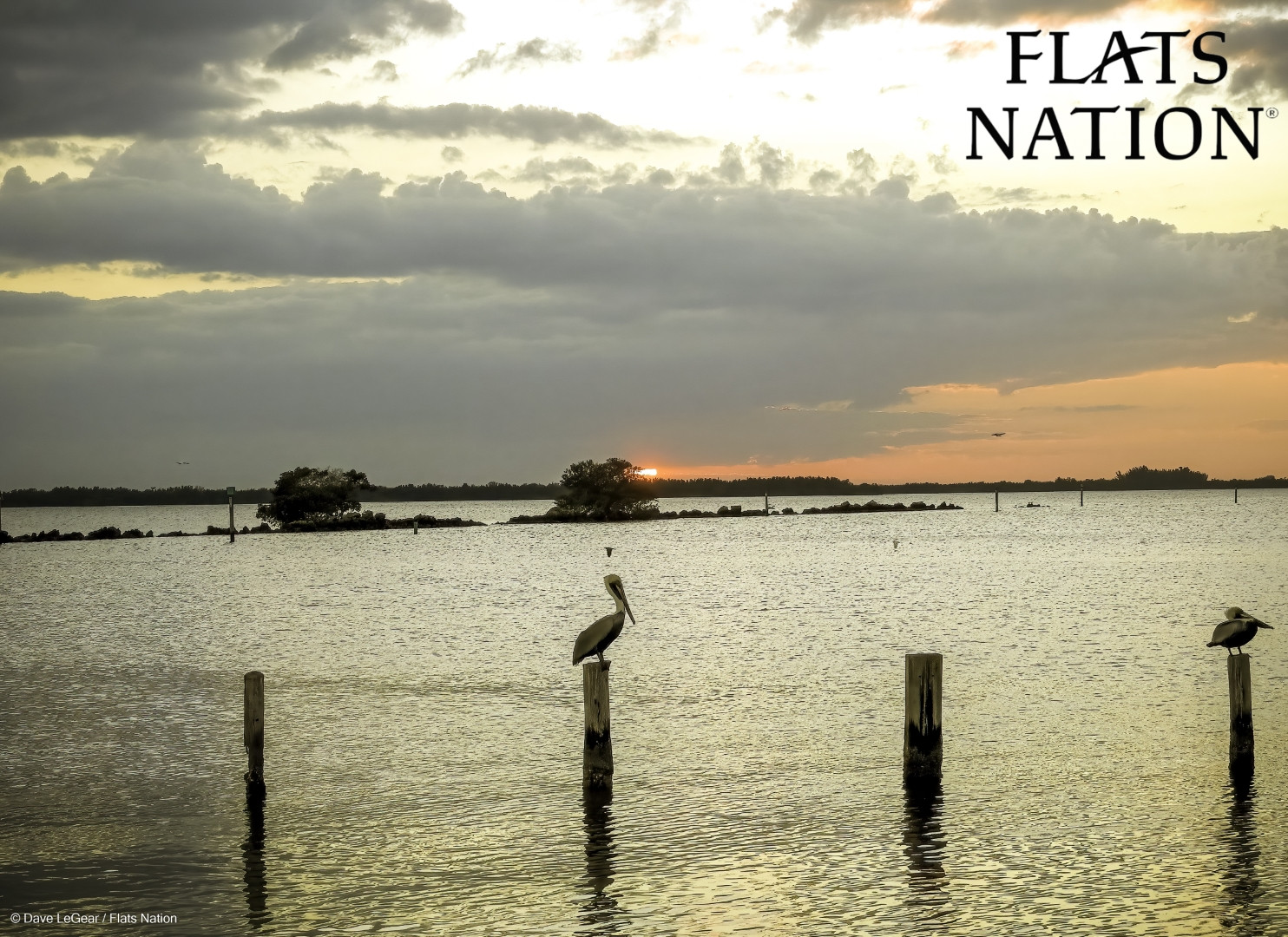
Moreover, observing the natural behavior of birds can offer insights into fish activity. “I have watched Fish and Birds work together to press the bait towards each other and feed,” mentioned one observer, indicating a symbiotic relationship that can lead anglers to feeding fish. This highlights the old saying about fishing wisdom: “A little Bird told me…” which intertwines wit and practicality in the fishing community.
Finally, obtaining a bird’s eye view can greatly enhance the fishing experience. Anglers are encouraged to find ways to elevate themselves on their skiffs for better visibility, enhancing their ability to spot fish and determine the best casting angles.
In conclusion, flats fishing in Florida can be a deeply rewarding endeavor when approached with the right knowledge and tools. Understanding water temperature, adapting to weather patterns, scouting effectively, and recognizing the behavior of both fish and birds can significantly improve an angler's success. As fishing conditions continue to evolve, staying informed and adaptable remains key to mastering this cherished sport.