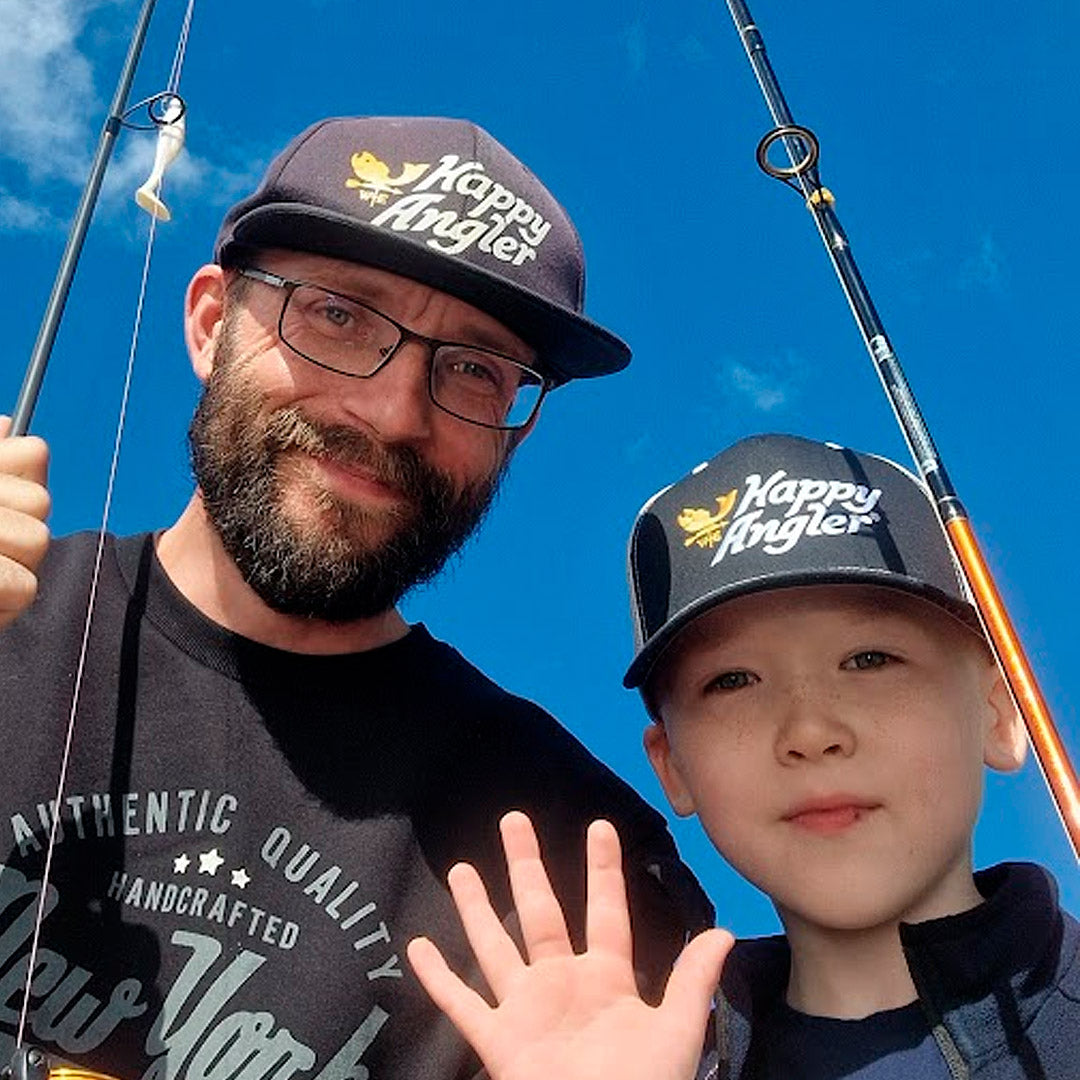
Casting has emerged as one of the most enjoyable forms of fishing, captivating enthusiasts with its blend of skill and relaxation. For those interested in starting a casting journey, the good news is that it's both accessible and affordable. "All you need is some basic equipment and you are ready to head to the nearest body of water to start your fishing career," said Jussi Hutri from KuhanVetäsen Trolling Team.
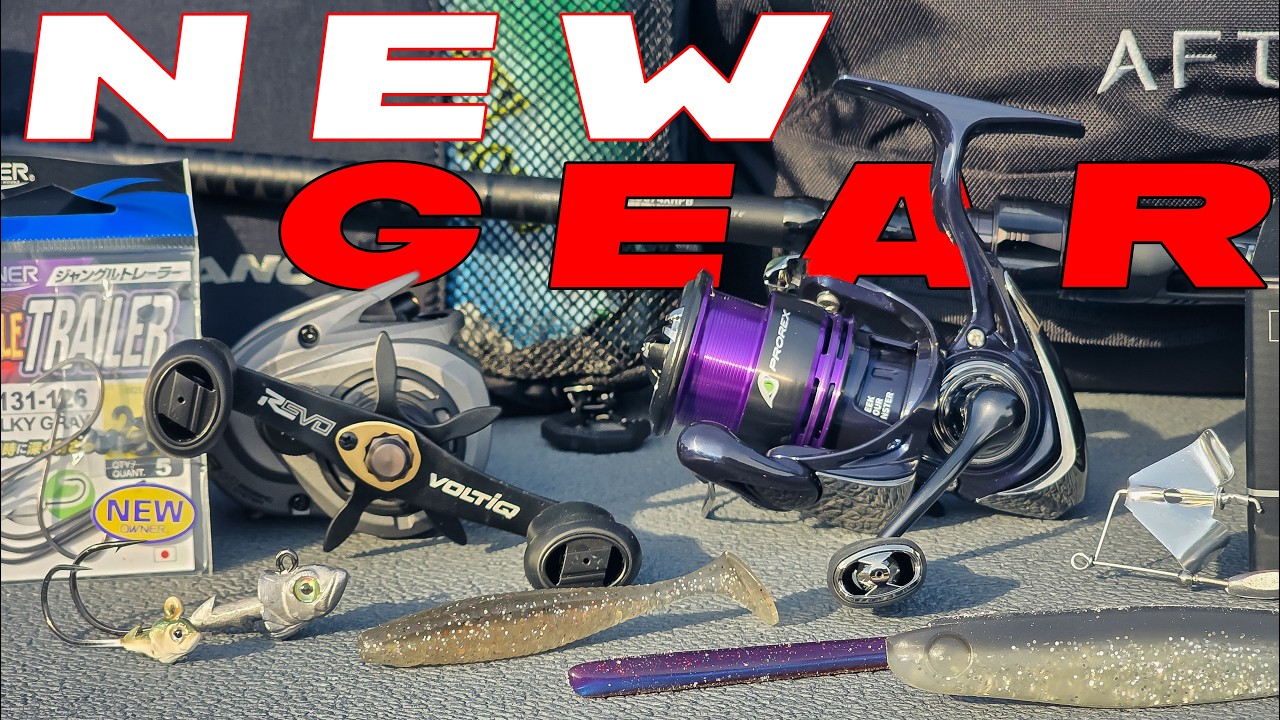
To begin, crucial casting equipment is necessary, and one must be familiar with a few specific items. A suitable rod length usually ranges from 7 to 8 feet (210–240 cm) paired with a spinning reel from sizes 3000 to 4000. Basic tools like a knife or scissors may be needed for assembly, but the process is straightforward. Essential components include lures, line, leader or snap swivel, the rod, and the reel.
"A video guide for beginning a casting hobby demonstrates the basic information you need to begin casting," Hutri stated in an instructional video. This visual guide explains everything from essential equipment to how to wind line onto your spinning reel and the proper knots for lures. Following these steps can ease newcomers into the sport with confidence.
The first significant task is attaching the reel to the spinning rod. "This is done by loosening the reel seat slightly and placing the reel onto the seat," explained Hutri. After positioning the reel, it must be tightened to ensure stability. Notably, most spinning reels can be adjusted for either hand, allowing for personalized comfort. Hutri noted, "Whichever side feels better is the right side for you."
Next, understanding how to wind line onto the spool is critical. Selecting the appropriate thickness of line based on manufacturer specifications is essential. For general casting, a line of approximately 0.30 mm thickness works well. "Make sure that the bail arm of the spinning reel is open before tying the line onto the spool," advised Hutri. Proper line winding takes practice—keeping the line taut and the spool upright avoids slack and twists.
A common question beginners ask is how much line should be used on a spinning reel. "A spinning reel with too much line is prone to twisted lines," Hutri cautioned. Ideally, leaving two to five millimeters of the spool visible makes for optimal performance. Also, tying a suitable leader to the end of the line is crucial, particularly if targeting species like pike that have sharp teeth. A pike leader of about 20–30 cm is often recommended to avoid breakage.
Once the preparation is complete, knowledge of reel operation and casting technique comes into play. "When fishing with a spinning reel, the reel is always kept below the rod," explained Hutri. Proper adjustment of the drag is critical, allowing line to run off easily when needed. He also emphasized the importance of letting approximately 30 cm of line free during casts to enhance distance and accuracy.
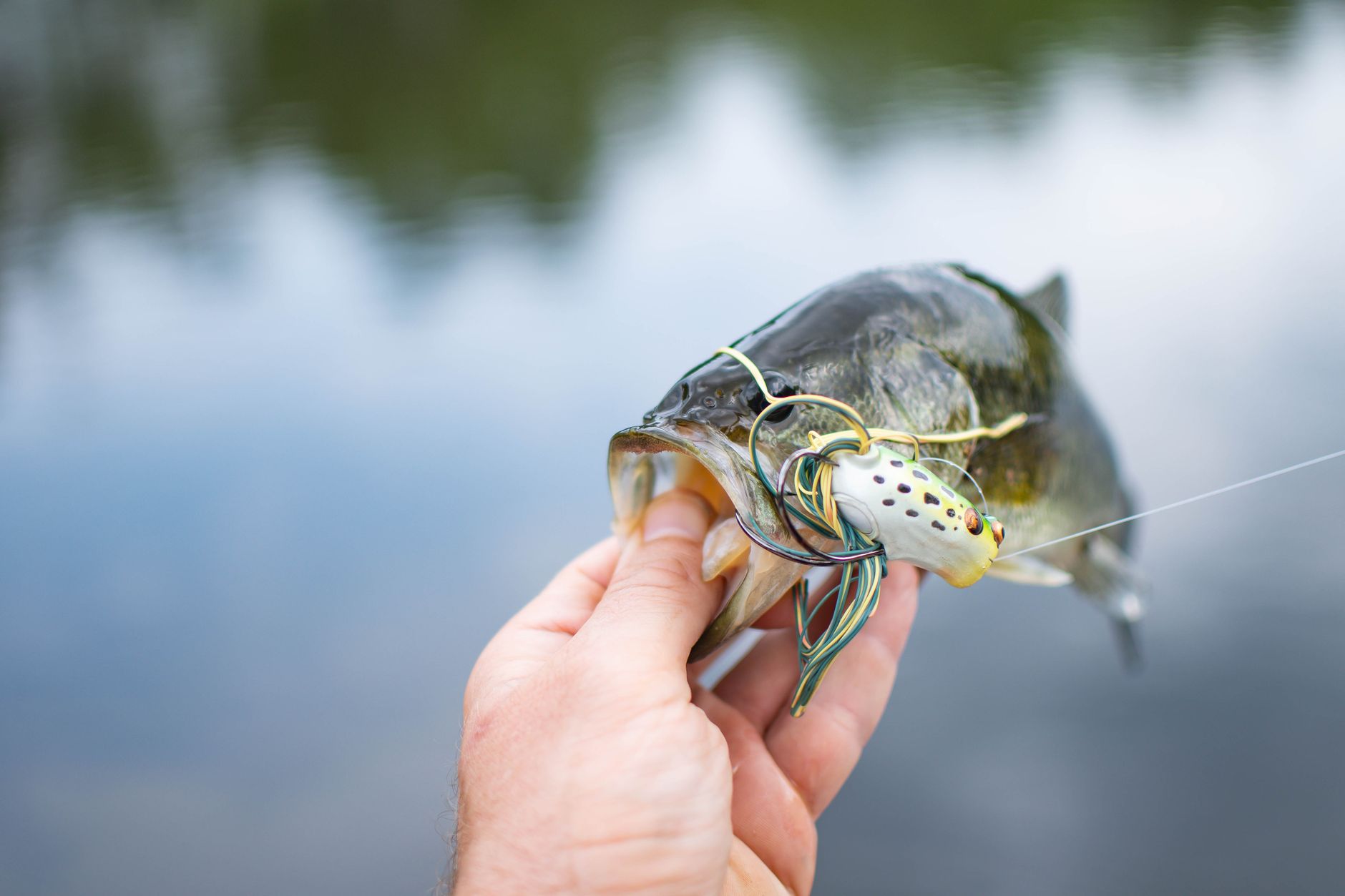
In summary, casting can be a fulfilling and rewarding fishing method for both beginners and seasoned anglers. With the right equipment and a few key techniques, anyone can take to the water confidently. As Hutri noted, "Once you have attached the leader, your spinning reel combo only needs a lure to go fishing.” With the right preparation and attitude, the joys of casting await those eager to try their line in the water.