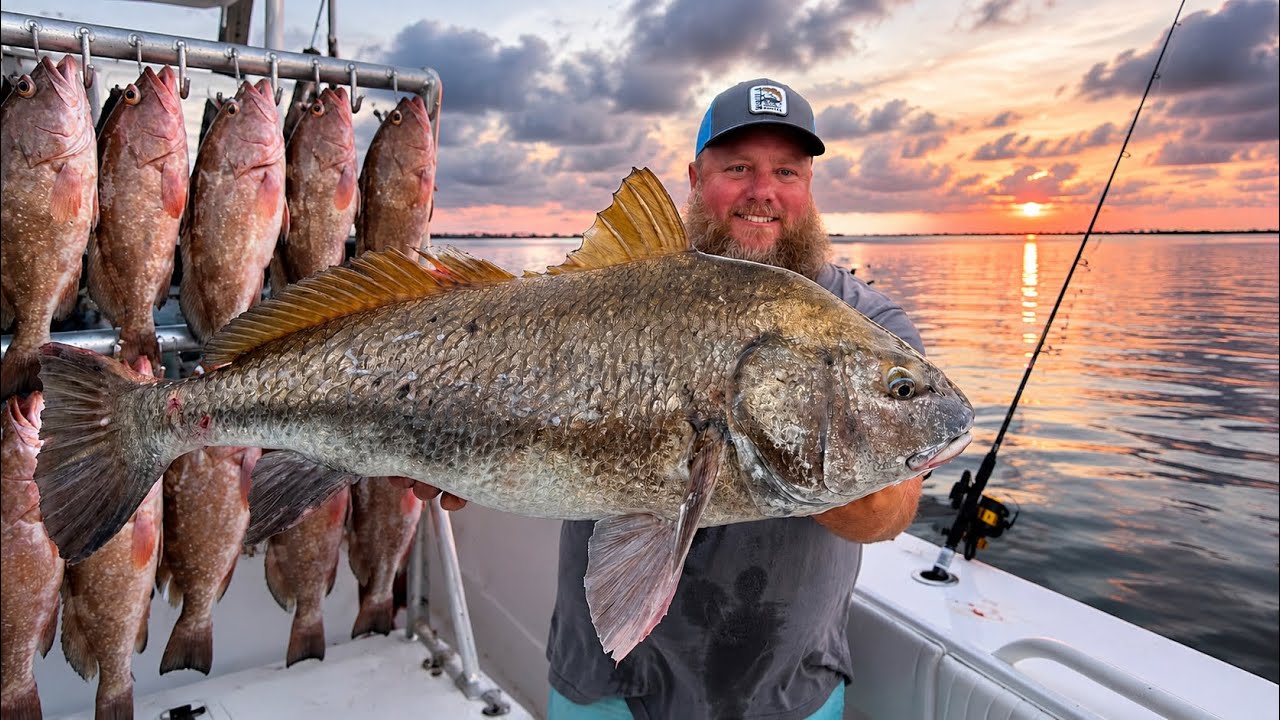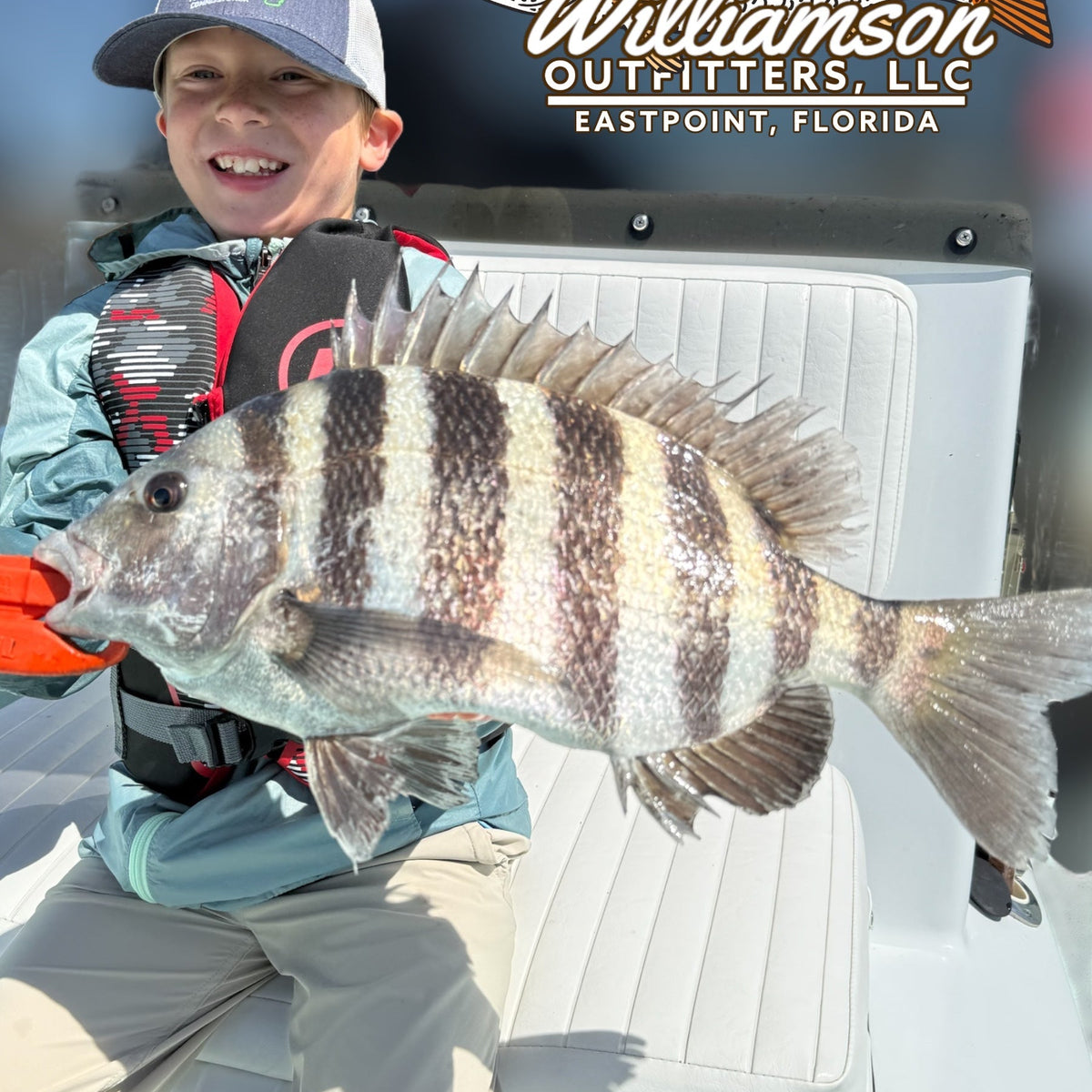
Apalachicola Bay, known for its rich ecological diversity, is a prime destination for inshore fishing enthusiasts. This area boasts a unique mix of fresh and saltwater, driven by the Apalachicola River's flow and the Gulf's tidal influences. The harmonious interaction of salinity, natural structures, and water movement creates an optimal environment for species like redfish, spotted and sand seatrout, tripletail, flounder, and sheepshead throughout the year.
**What drives the bite here?** The productivity of the bay is largely influenced by several key factors.
**Tides** play a crucial role, with moving water concentrating bait and establishing ambush opportunities for predator fish. "In general, the first of the rise and a steady fall turn on most species," explained Captain Chris Williamson. Interestingly, slack tides tend to scatter bait, leading to less aggressive feeding behavior among fish.
**Water temperature** is another significant element, as each species has its preferred temperature range. When water temperatures fall within these zones, fish metabolism and feeding efficiency improve remarkably.
In addition, **salinity and river flow** impacts fish behavior: higher river discharge can lower salinity levels in the bay, prompting trout and redfish to migrate towards the edges of passes. Conversely, clearer and saltier waters help bait fish populate deeper areas and grass flats.
Furthermore, **weather and atmospheric pressure** affect fishing conditions. According to Williamson, "Stable weather = stable feeding"; however, rapid changes often slow down fish activity. The post-front warming trend is referred to as a classic “go now” window by many seasoned anglers.
Finally, **light and clarity** are critical factors. The best times for fishing often coincide with dawn, dusk, and cloudy days that favor shallow waters. "Bright, calm days are ideal for sight-fishing redfish on skinny flats," said Williamson.
Species Game Plans To increase success rates, anglers can consider specific tactics for various species.
#### Redfish (Red Drum) When targeting redfish, anglers should consider edges of marsh drains, oyster bars, and docks throughout the year. Williamson suggested, "Weedless soft plastics over grass and potholes"; as big schools often migrate to bars and beaches during the fall months. The peak spawning period occurs between August and October near passes, creating ideal conditions for feeding.
#### Spotted & Sand Seatrout For spotted and sand seatrout, the prime time to fish lies between spring and early summer, as well as late fall and early winter. "Topwater at first light is very effective," advised Williamson. As the sun rises, switching to techniques such as suspending plugs or popping corks with shrimp can help attract these species around their preferred habitats. The spawning period typically occurs from April to September, peaking during the summer months.
#### Tripletail Fishermen should focus on the warmer months of May through September for tripletail, which are often associated with vertical structures like crab-pot buoys and channel markers. Williamson recommended, "Sight-fish with a freelined shrimp or small jig" and cast past the structure to entice these fish into your bait’s path.
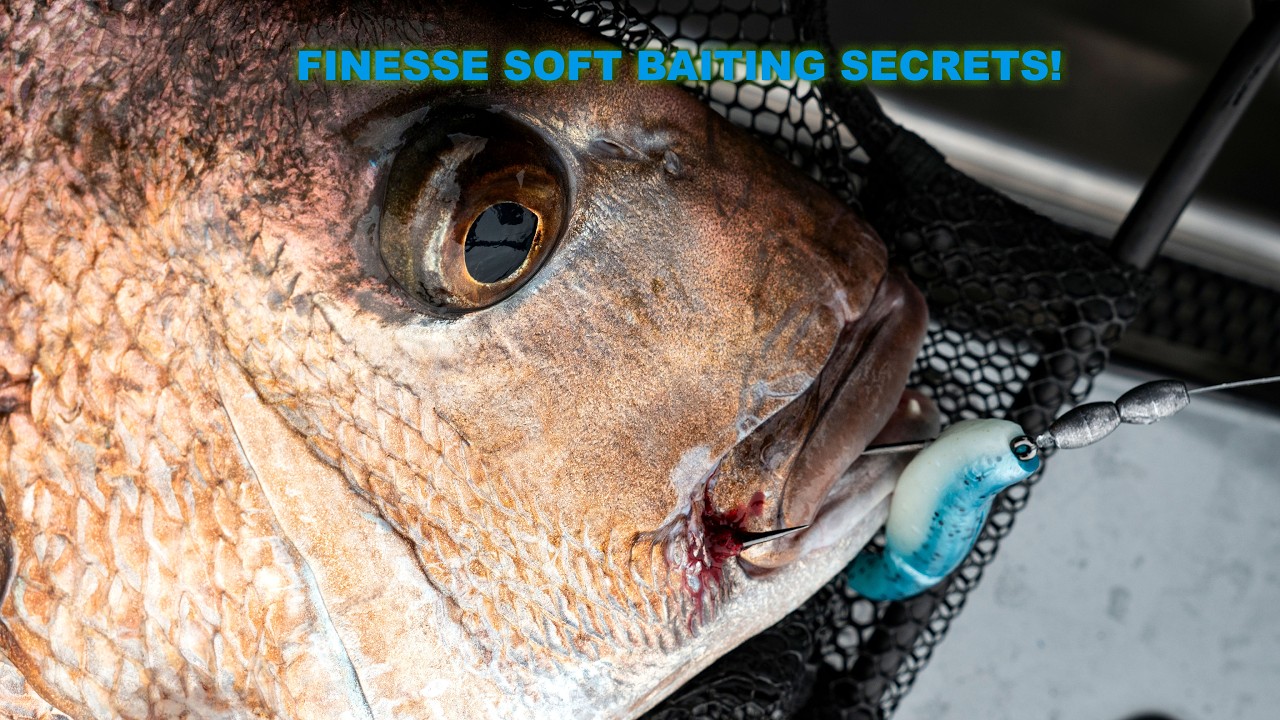
#### Flounder Fishing for flounder proves more fruitful in spring and fall, particularly along the edges of sand and grass transitions. Experts suggest bouncing bucktails or soft plastic paddles along the bottom, especially at down-tide edges where bait funnels for feeding.
#### Sheepshead Sheepshead fishing is plentiful from December to April, particularly near piling, rock, and oyster structures. Williamson emphasized the importance of finesse in this process, recommending small hooks and live fiddler crabs or shrimp for the best results. Spawning typically occurs between February and April, coinciding with incoming tides which often heighten the bite.
Planning Your Trip For those interested in visiting Apalachicola Bay for inshore fishing, utilizing resources such as live monthly catch likelihood charts and seasonal temperature tables can provide a better understanding of optimal fishing times. Observing local weather conditions, tide charts, and water clarity will enhance the fishing experience for beginners and seasoned professionals alike.
As ongoing environmental changes continuously affect fish behavior, the fishing community remains adaptive and resilient. The rich waters of Apalachicola Bay will continue to beckon both avid anglers and newcomers to explore its diverse fisheries and enjoy the serene beauty of this unique ecosystem.