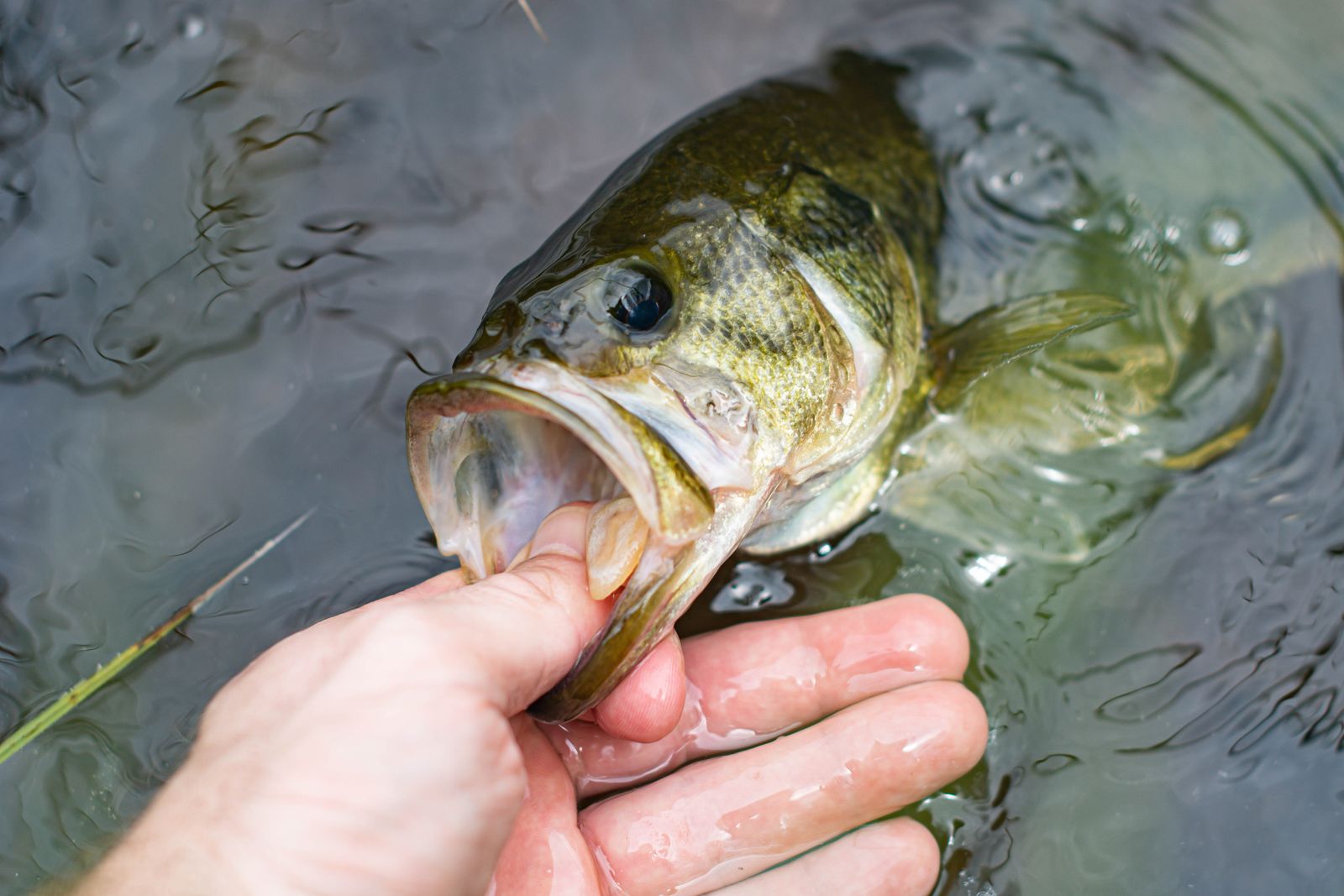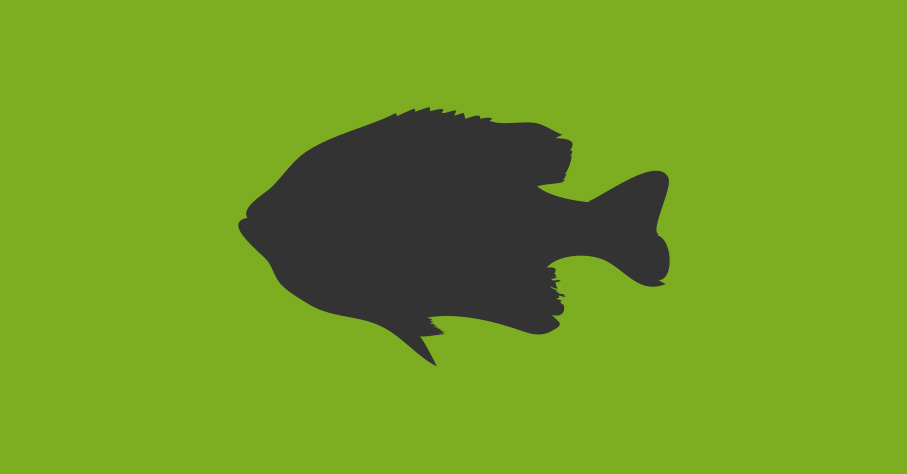
Though often overlooked, bluegill fishing offers a rewarding experience for anglers of all skill levels. These fish, known scientifically as *Lepomis macrochirus*, have earned a special place in the hearts of many, especially those who recall catching their first fish. "They’re scrappy, stubborn, and virtually everywhere," said Blake Tollefson, onX Fish Ambassador, highlighting the species' widespread appeal and challenging nature.
In terms of habitat, bluegills thrive in various water bodies, from lakes and ponds to reservoirs. Their native range stretches across central and eastern United States and northern Mexico, with their current presence noted in southern Canada and nearly every U.S. state aside from Alaska. Tollefson noted that bluegills are favored for their accessibility and table quality, making them a prime target for both novice and seasoned anglers. "They are a worthy target for beginners and experts alike," he added, noting that trophy-sized bluegills are becoming increasingly rare to find.
When searching for bluegill-friendly lakes, consider their habitat preferences. These fish favor warm waters with ample shelter and structure. Areas of particular interest to anglers include basin regions with soft bottoms, transition zones where hard and soft bottoms meet, and structures like downed trees and vegetation. "Bluegills travel in schools, so where you find one, you’re sure to find plenty," Tollefson pointed out, emphasizing the communal behavior of these fish.
Water temperature plays a crucial role in bluegill activity levels. Tollefson explained, "Bluegills are active year-round, but temperatures in the 55°F to 85°F range are favored by the species." To optimize fishing trips, knowing the seasonal behavior of bluegills is fundamental.
Catching bluegills is an accessible endeavor for many anglers. "Anyone can catch bluegills, which, for many, is a large part of their appeal," noted Tollefson. However, he cautioned that trophy-sized bluegills can present quite a challenge. Their bites may feel like an "aggressive fury of taps and pecks," indicative of their curious and aggressive nature. Understanding their behavior and diet is critical for successful fishing, as common prey includes insects, small baitfish, and zooplankton.
Given the diverse conditions in which bluegills reside, the best methods to catch them can vary. "Top tactics for gills depend on factors like time of year and forage preferences," Tollefson explained. While small jigs fished under floats and live bait are popular, anglers seeking larger specimens might utilize tactics typically suited for targeting bass or trout.
For bait options, live selections like worms, nightcrawlers, and small minnows are effective. Meanwhile, artificial lures that mimic bait fish or insects — such as jigs and small crankbaits — can also lead to success.
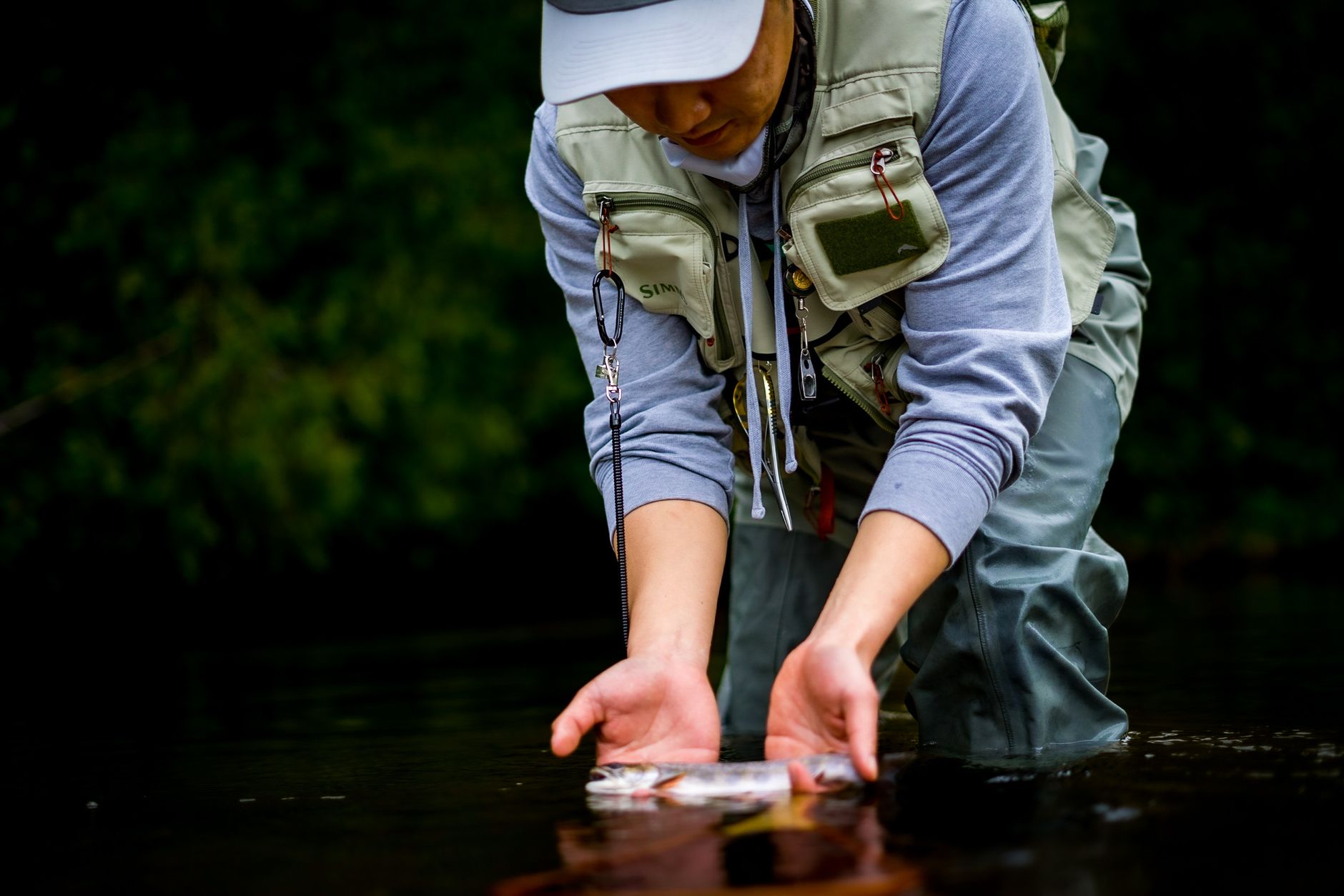
Knot selection is equally vital for ensuring a catch. Recommendations from Tollefson include attachment knots like the improved clinch knot and connection knots such as the FG knot and blood knot to ensure secure lure attachment and line connections.
The timing of a bluegill fishing trip can significantly impact success rates. According to Tollefson, each season presents unique opportunities. In winter, bluegills can be found in basins and near healthy weeds, typically suspended and responsive to small jigs. In fall, focusing on deeper cover can yield consistent results. As for summer, bluegills often retreat to deeper waters during high temperatures.
Whether targeting bluegills in a peaceful pond or a bustling lake, their abundant presence makes them a perennial favorite among anglers. As Tollefson aptly noted, "Bluegills are a staple for many fishing enthusiasts, providing both excitement and the chance to appreciate nature." Understanding their behavior, habitat preferences, and seasonal patterns equips anglers with the knowledge needed for successful outings. With the right techniques and gear, bluegill fishing can not only ignite the passions of beginners but also challenge experienced fishermen seeking trophy fish.