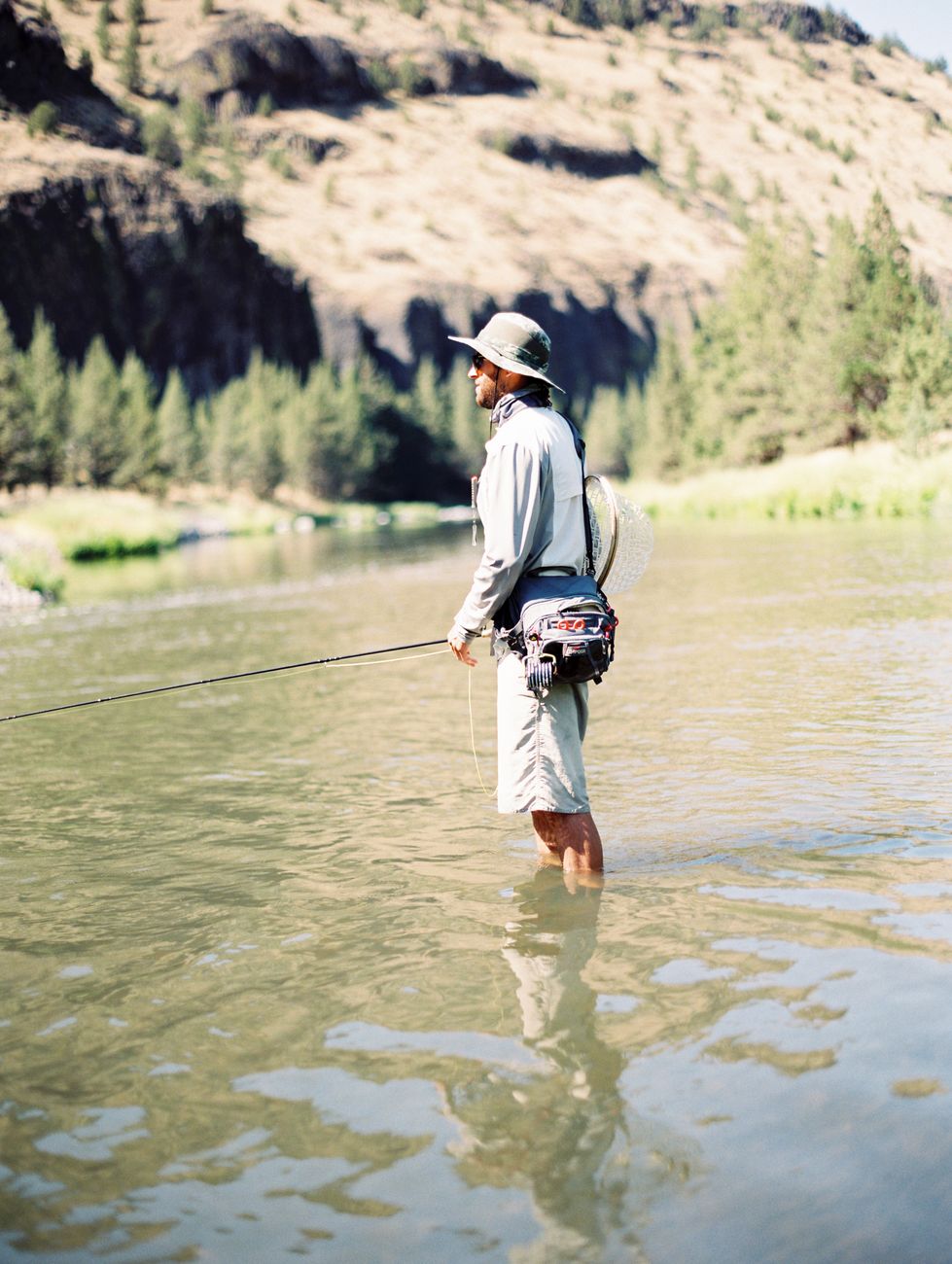
Fishing can evoke a sense of wonder, especially when you feel that first tug on the line. Reflecting on his early experiences, Adam Hawthorne recalled, "I still remember mine, a scrappy bluegill on a summer afternoon that fought like it was three times its size." For those who are new to the sport, the array of equipment and terminology can be overwhelming. However, mastering some basic fishing techniques can significantly improve the chances of returning home with more than just stories.
Whether you are stepping onto the shoreline for the first time or revisiting long-forgotten skills, understanding fundamental techniques can enhance your fishing experience. According to Hawthorne, who has spent over 30 years fishing in various environments, these essential strategies can lead to success with different species across numerous settings.
The Art of Casting: Aim for Accuracy
One of the core components of fishing is casting, which serves as the mechanism for delivering your bait or lure to the desired location. For beginners, Hawthorne suggested beginning with an overhand cast. "Hold your rod at about the 2 o’clock position, press the line against the rod with your index finger, flip the bail open, and then swing the rod forward, releasing your finger from the line at about the 10 o’clock position," he explained. This technique, focused on accuracy rather than distance, can yield better results.
"I’ve caught more fish casting to specific structures (like fallen trees or rock formations) 20 feet away than blindly bombing casts to the middle of a lake," he added, emphasizing the importance of targeting structures. Moreover, he advised, "Keep your wrist firm and use your forearm for the casting motion," highlighting an adjustment that can refine your casting technique significantly. For beginners, practicing casting with markers like hula hoops can improve precision over time.
Bobber Fishing: A Beginner's Best Friend
Bobber fishing is an excellent entry point for novice anglers. This straightforward method allows bait to be suspended at a certain depth below a floating indicator, making it easier to detect fish. Hawthorne detailed the setup process: "Bait with a worm, cricket, or other live bait; add a small split-shot weight about 6-12 inches above the hook; tie on a hook (size 6-10 works well for beginners); thread your line through a bobber and secure it at your desired depth."

The thrill comes when the bobber signals a bite: "When a fish takes your bait, the bobber will dip, wiggle, or disappear entirely," and that’s the moment to set the hook. Hawthorne has successfully taught both his kids this method, stating, "It remains one of the most effective ways to catch panfish like bluegill, crappie, and perch."
The Basics of Bottom Fishing
Bottom fishing is geared toward larger species that feed closer to the lake or river floor, such as catfish and carp. Hawthorne outlined a basic rig: "Use bait that occurs on the bottom, a hook suitable for your target species, and a sinker heavy enough to keep the bait in place against current." Patience is paramount in this technique, as successful bottom fishing requires waiting for the fish to approach.
"The Michigan Department of Natural Resources notes that bottom-dwelling species like catfish have highly developed sense organs to locate food in murky or dark waters," he remarked. Hawthorne reminisced about evenings spent bottom fishing on the Au Sable River, saying, "There’s something meditative about setting up your rod in a holder and waiting for that distinctive tap-tap-tap of a fish investigating your bait."

Drift Fishing: Harnessing Natural Movement
Drift fishing is another effective technique that utilizes the natural flow of water to present bait attractively to fish. This method proves particularly advantageous in rivers and streams, where water currents can carry your bait to active feeding zones. Adapting to the conditions allows anglers to connect with the aquatic environment in a deeper way.
The beauty of fishing is that there’s always more to learn and experiment with, and mastering these foundational techniques can enrich your experience on the water. As Hawthorne concludes, practical knowledge combined with the right mindset is the formula for building confidence and improving skills.
Conclusion
Fishing encompasses both relaxation and excitement, offering various methods suitable for all skill levels. The journey from novice to experienced angler is paved with learning these basic techniques. By honing skills such as casting, bobber fishing, bottom fishing, and drift fishing, newcomers can enhance their chances of success while creating lasting memories on their fishing expeditions.