As any seasoned angler will tell you, understanding the water is key to success in fishing. It's often summarized by the "90/10 Rule", which asserts that 90% of fish are found in just 10% of the water. "Your first job isn’t just casting; it’s learning to identify these active zones where fish congregate," shared an experienced angler. This principle underscores the importance of knowing where to focus your casting rather than randomly throwing your line into open water.
When it comes to fishing, timing is equally vital. The early hours of the morning and the late evening are prime feeding times for fish. This is when anglers are likely to find the most activity on the water. One fishing enthusiast remarked, "You will find fish are most active and feeding during the cooler hours of the early morning and late evening, making these the best times to be on the water."
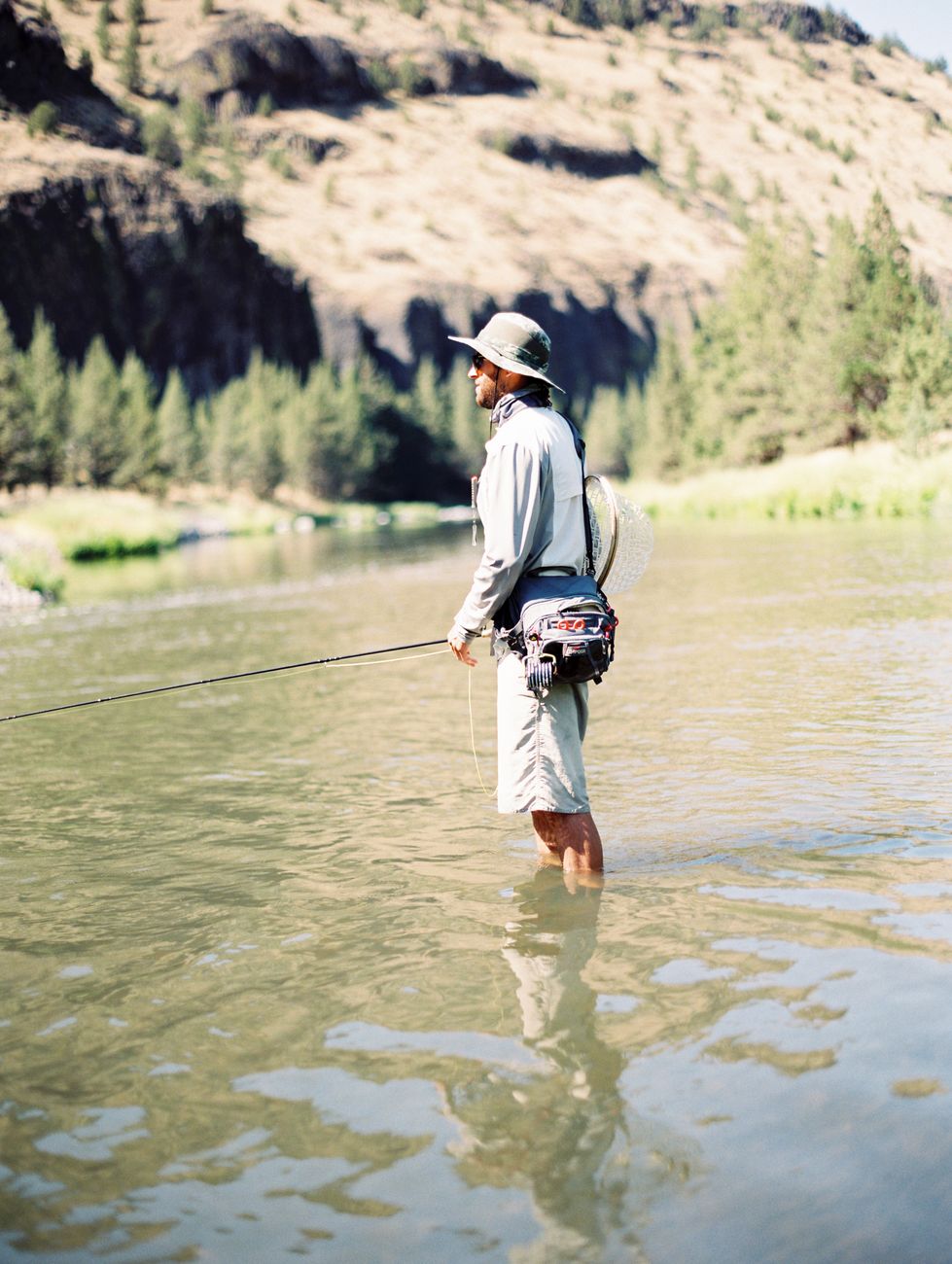
Starting with the right equipment doesn’t have to be complicated or expensive. A basic closed-face reel, a simple rod, and a small tackle box are more than adequate for catching your first fish. The guide focuses mainly on conventional spin fishing, an approachable technique for newcomers, but hints at exploring fly fishing down the line as skills improve.
As anglers refine their skills, they quickly learn that the 90/10 Rule significantly influences their success. "Your success as an angler is determined more by where you cast than how you cast," explained an expert. Hotspots, or the locations where fish are most likely to gather, must be sought out. Anglers can increase their chances by learning to read natural environments and identifying areas where fish are attracted to food or shelter.
Key features to target include those with unique structures, depth changes, and current breaks. For instance, beaver ponds and slow-moving stream sections often harbor a wealth of fish. "Ledges, drop-offs, and the edges of channels are natural travel lanes for fish," stated a fishing guide. Additionally, current breaks in rivers provide ideal resting zones for fish seeking refuge from strong flows.
If bites are scarce within the first 15-20 minutes, it may be time to shift locations. Many seasoned anglers recommend moving methodically along the bank and casting to different structures until the fish are found. This adaptability is paramount for effective fishing in rivers, as one angler pointed out, "Work your way along the bank, casting to different pieces of structure until you find where the fish are holding."
Creating your first fishing kit doesn’t require an extensive list of gear. With just a handful of simple items, beginners can build an effective setup. As one fishing expert emphasized, "The goal is to start with gear that is easy to use, allowing you to focus on the fundamentals of finding and catching fish."
For beginners choosing a reel, a closed-face reel often serves as the best starting point due to its simplicity. It allows anglers to become familiar with casting without the complexity of tangles. The options range from closed-face reels for absolute beginners to open-face reels that enable more advanced casting once comfort is gained.
A typical beginner's tackle setup should include a few key items: worms for bait, sinkers, bobbers, and hooks that match the target species. "A simple worm is one of the most effective baits for a wide variety of fish," advised an expert. These elements, such as small weights to help cast far and floats to indicate bites, form the essential toolkit for new anglers.
The ongoing debate over natural versus artificial baits presents another layer of choice for anglers. Natural baits appeal to fish through scent and taste, while artificial lures stimulate a predatory response. Selecting the right bait often comes down to personal preference and the specific fishing conditions, thus making it an essential topic of consideration for every angler.
In conclusion, understanding the core principles of fishing, such as the importance of strategic casting areas and effective gear, is crucial for both beginners and seasoned anglers alike. As one angler noted, “The better you understand your environment, the more successful you’ll be.” As they embark on their fishing journey, novices can look forward to the excitement of discovering new techniques and the joy of reeled-in catches, building a lifetime of experiences.