Florida's waterway, the St. Johns River, is often overshadowed by more popular fishing destinations, yet it offers some of the best bass fishing in the state. Anglers are missing out on a treasure trove of trophy-sized bass hidden within small mid-river bars, some barely wider than 10 feet. "Many fishermen have yet to capitalize on this well-kept secret," said Terry Lacoss, a local fishing expert.
This 300-mile-long river boasts widths reaching up to seven miles at its broadest point. As it flows north, the river's water levels oscillate with the tides by about 13 to 18 inches, creating challenging fishing conditions. "Tidal flow is only .3 miles per hour, making the search for offshore structures quite the puzzle," Lacoss noted.
Between Palatka and the mouth of Lake George lies some of the river's most fruitful areas. Here, the river narrows, resulting in strong currents that create rich bass habitats. "Good numbers of freshwater mussels bury up in the sand near deep drops, and current flushes their food over a slight rise in the bottom," explained Lacoss. The washed-up mussel shells form what are known as shell bars, which are hotspots for aquatic life, including grass shrimp and crayfish.
"These shell bars can be as small as 5 feet by 10 feet but can harbor significant schools of bass," Lacoss added. In terms of bait, experienced anglers have found success with lipless [crankbaits](/gear/crankbait) such as the Chrome Rat-L-Trap, particularly in areas where shad are present.
Despite advancements in fishing technology, locating these discreet shell bars can still pose a challenge. "It's often tough to pinpoint these small bars with fishfinding electronics," said Lacoss. Instead, many seasoned anglers opt for a more traditional approach, utilizing a 1-ounce worm weight attached to a main line, followed by a bead and swivel.
"An 18-inch length of 10- to 20-pound fluorocarbon shock leader and a 5/0 worm hook do the trick," he explained. Rigs typically feature an 8- to 10-inch black plastic worm with a blue curly tail to attract bass through its abundant forage.
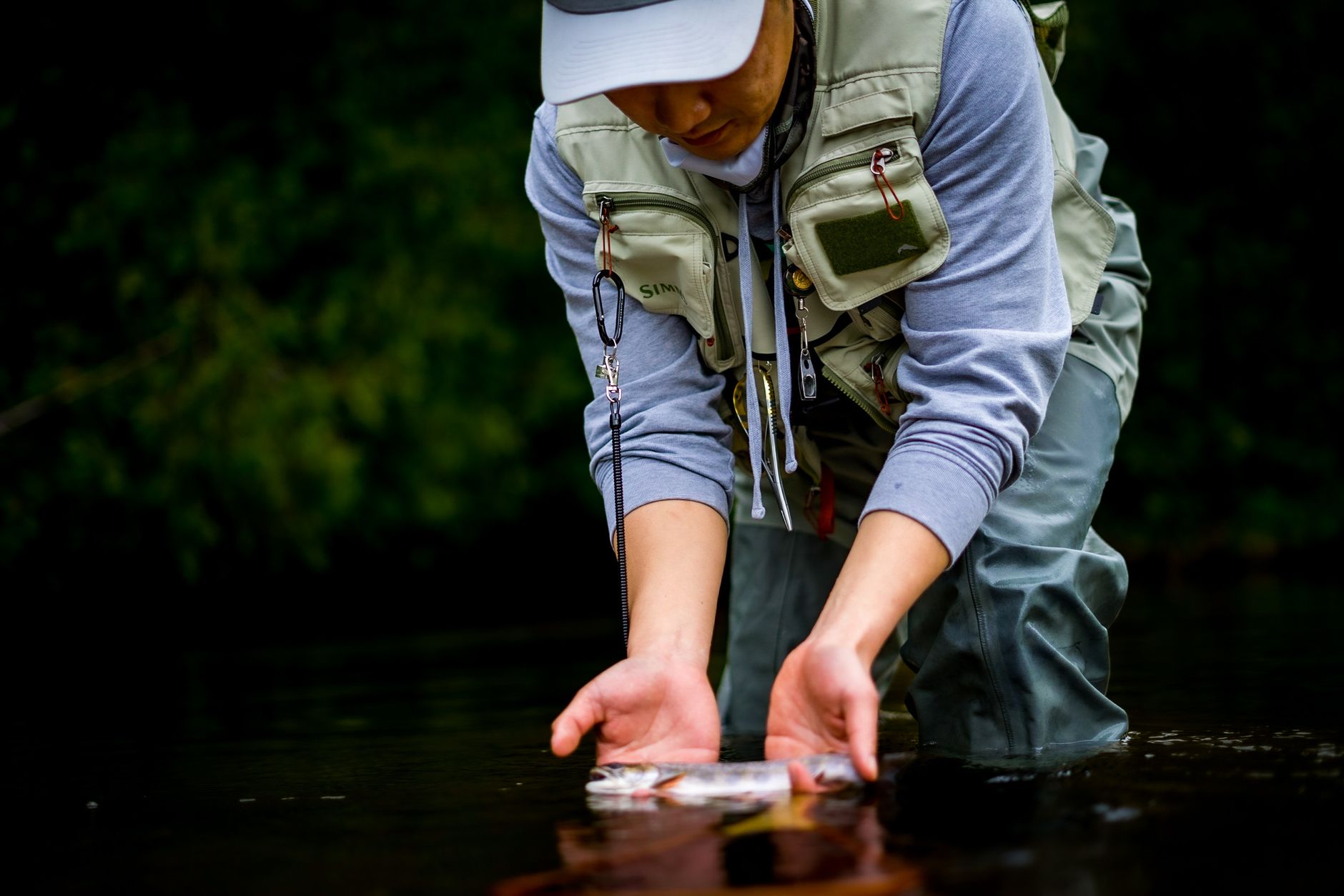
Overall, Florida’s less-traveled fishing locations present a rich opportunity for bass fishing enthusiasts willing to explore beyond the well-known waters. The St. Johns River, in particular, serves as a reminder that sometimes the best catches await in unexpected places. With the right tactics and a bit of patience, anglers can discover abundant fishing spots that offer great rewards for their efforts. The upcoming fishing season promises exciting prospects for those prepared to venture into these lesser-known fishing grounds.
In conclusion, as anglers gear up for the upcoming fishing season, the delicate ecosystems of the St. Johns River continue to beckon avid fishermen in search of the next big catch. It proves that sometimes, the smallest locations yield the biggest surprises in trophy bass fishing.