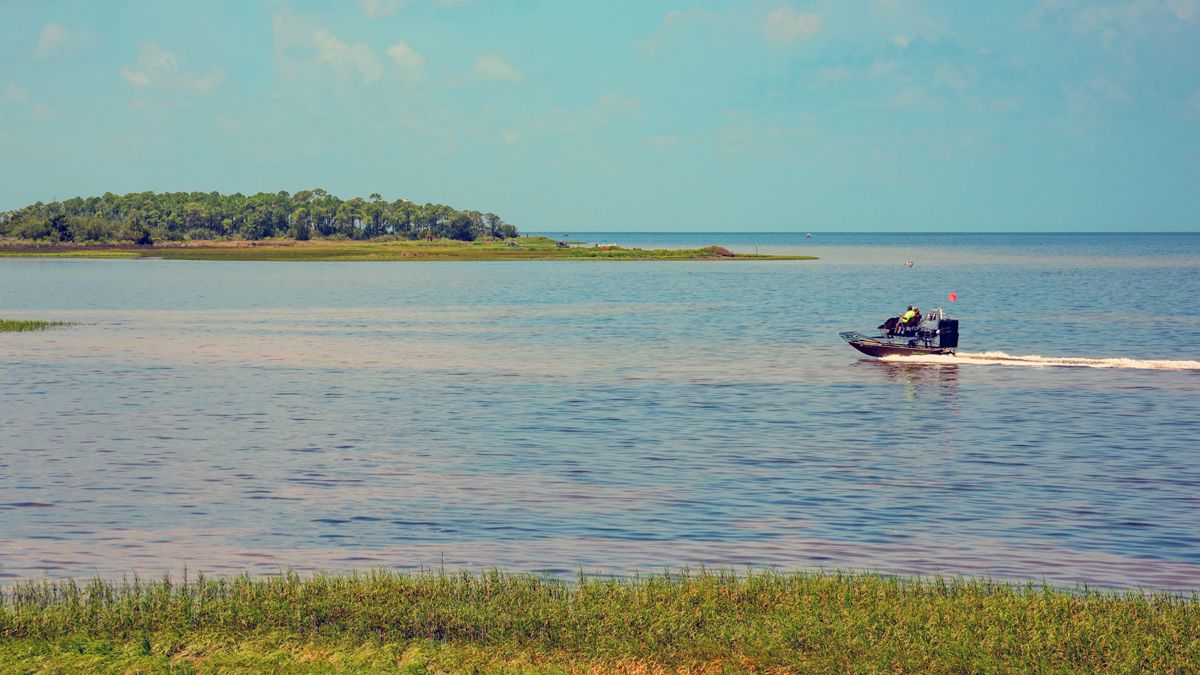
Florida's Big Bend stands out as one of the state's least developed and biologically diverse coastal regions. Stretching from the Panhandle's bend near Apalachicola to Cedar Key, it features a labyrinth of tidal marshes, winding creeks, and expansive shallow flats. This quieter coastline provides a perfect backdrop for dedicated inshore anglers seeking both adventure and solitude.
"The remote nature of Big Bend compared to more commercial areas allows for a unique fishing experience," said local expert and fishing guide, J.D. Simmons. With the absence of heavy tourism traffic, the pressure on fish stocks is considerably lighter, enabling a more natural fishing environment.
**Exploring the Coastal Habitat**
The Big Bend isn’t characterized by the sandy beaches and barrier islands often associated with Florida’s coast. Instead, its scenery is dominated by rich salt marshes, mudflats, expansive seagrass beds, and productive oyster bars. The shallow sea floor contributes to vast expanses of fishable water that is just a few feet deep.
"The freshwater inflows from rivers like Steinhatchee, Econfina, and Aucilla create highly productive brackish habitats crucial for fish sustainability," noted marine biologist Dr. Lisa Carter. This environment not only nurtures fish populations but also provides a serene fishing experience that truly sets this area apart.
**Target Species**
When it comes to inshore species, anglers in Big Bend have a wealth of options.
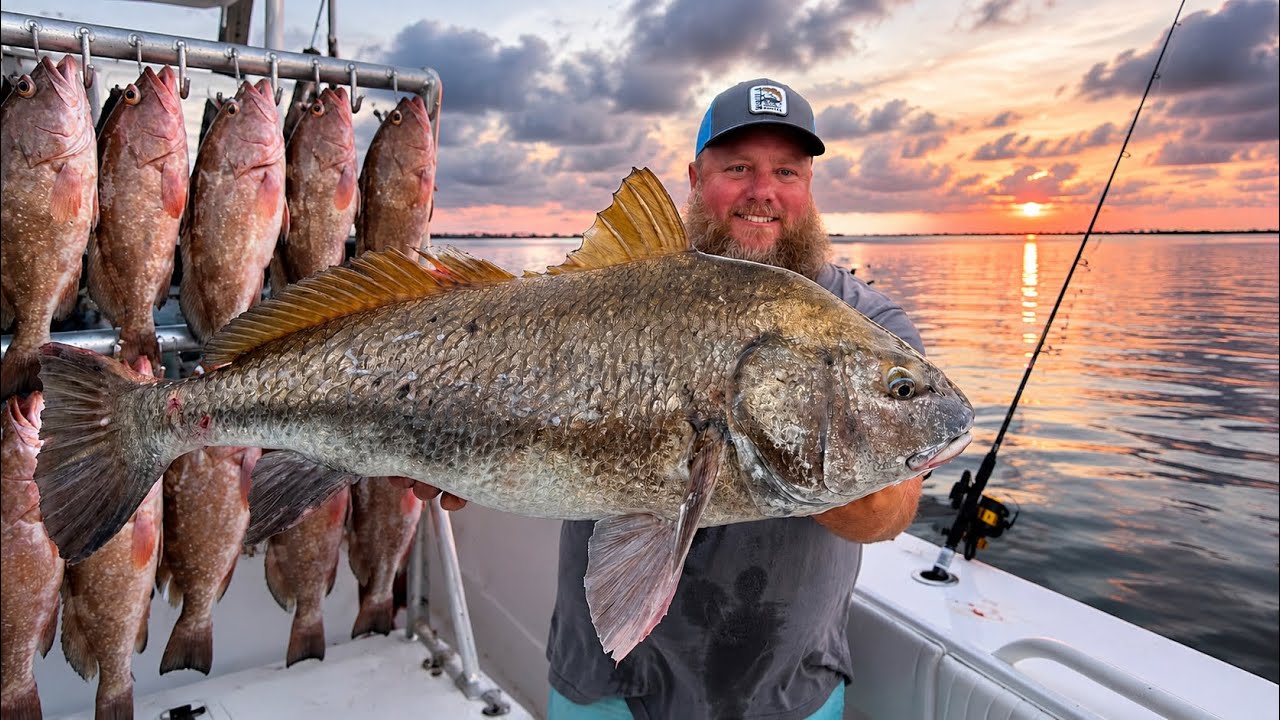
**Redfish** are a perennial favorite, prevalent year-round in the area. "Redfish are particularly drawn to mud and grass flats," mentioned Simmons. They thrive near oyster bars and creek mouths. During the cooler months, schools of redfish flock to the backcountry shallows where the dark mud warms the water, making them more active and accessible.
**Spotted seatrout**, another local staple, can be found in abundance, especially over seagrass flats in 2 to 5 feet of water. "Drifting and casting with soft plastics often yield the best results for trout, especially during spring and fall when they are most active," Simmons added. Areas near river mouths with fluctuating salinity often harbor larger trout.
Though less common, **flounder** can also be found, particularly in sandy or shelly bottom structures. "Creek mouths and under docks are prime spots to target flounder, particularly in the fall," advised Simmons.
Additionally, **black drum and sheepshead** inhabit locales around oyster beds and rocky shorelines, with sheepshead being most plentiful in winter and early spring, feeding heavily on barnacles and small crustaceans.
**Fishing Techniques**
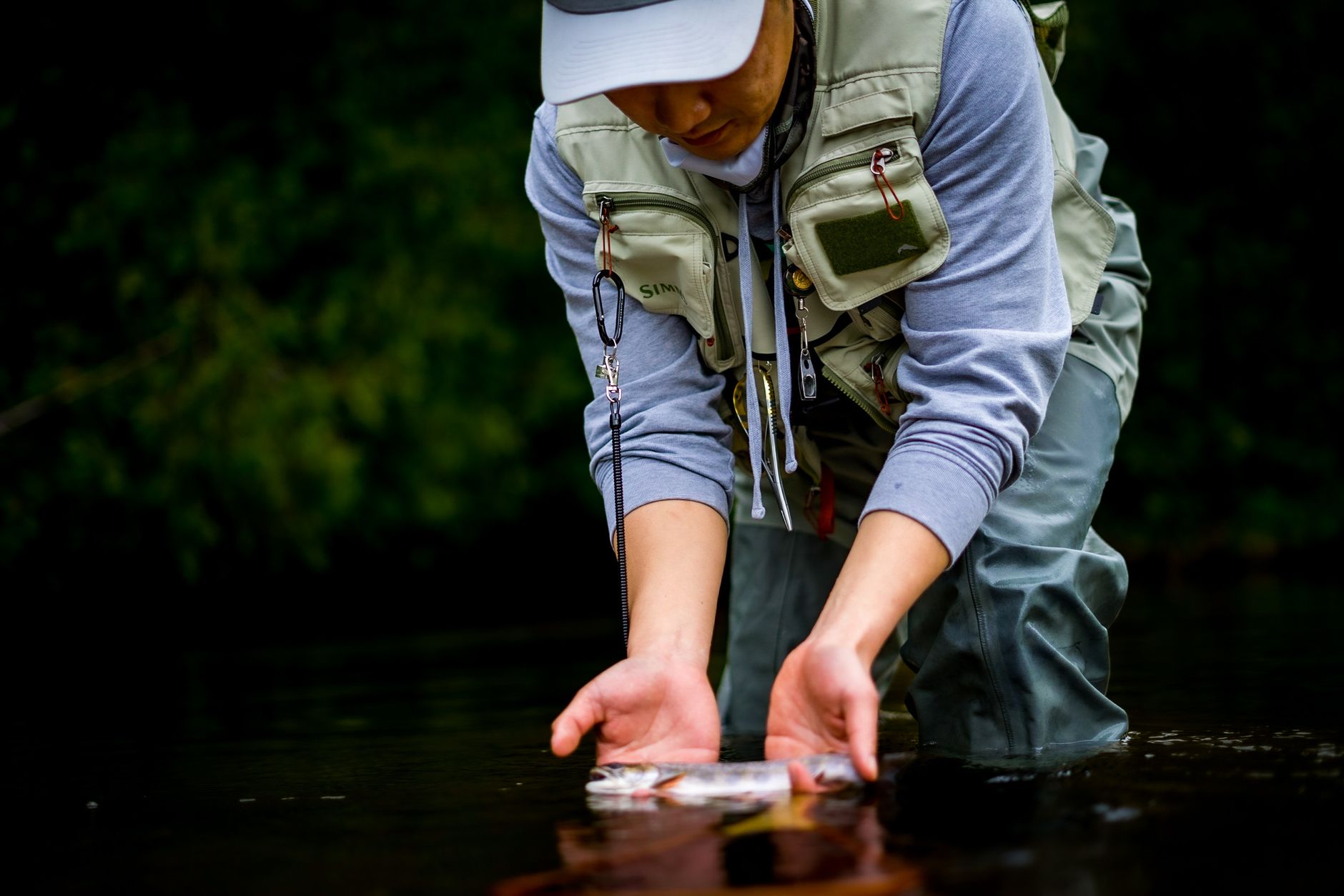
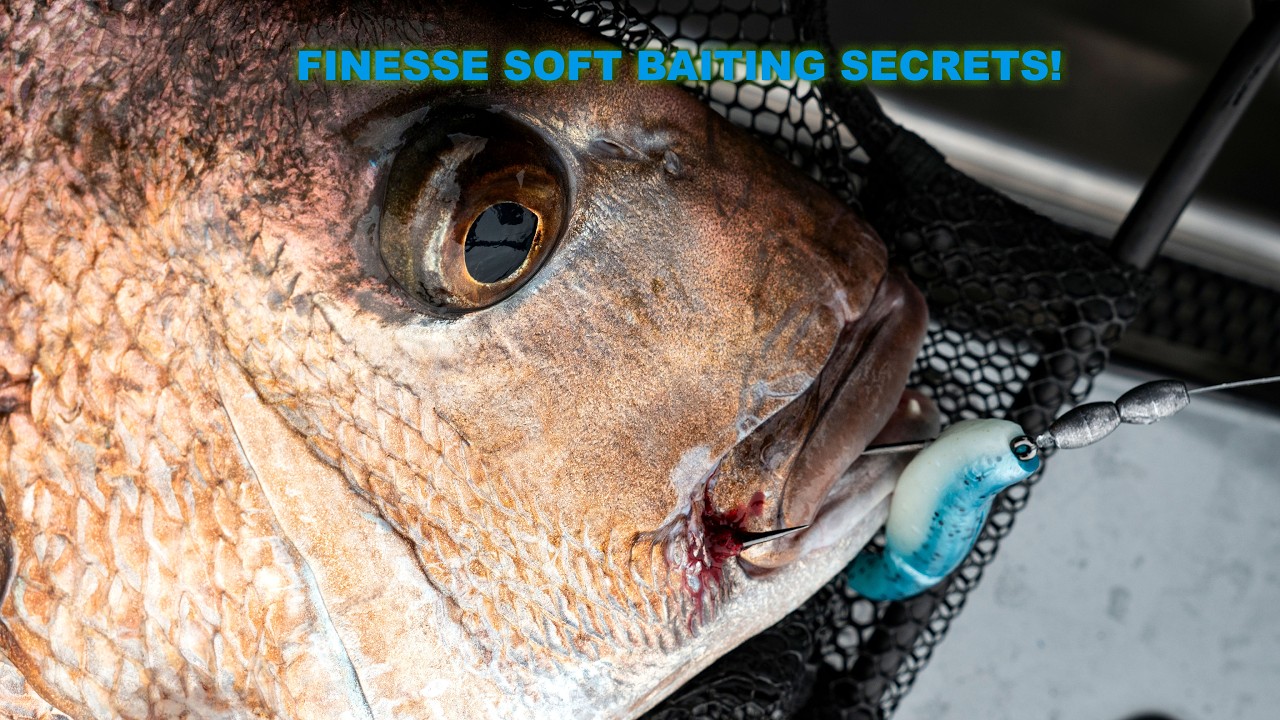
The shallow flats of Big Bend invite a variety of fishing techniques. Popular strategies include casting topwater lures during the early morning hours to entice aggressive trout and redfish. "Poling or kayaking in shallow waters to find tailing redfish is a rewarding approach," advised Simmons.
During high tides, wading the edges of the flats can prove successful, while drift fishing with either live shrimp or artificial lures can yield good results as well. Due to the clear waters, stealth becomes critical; thus, long casts and quiet movements can significantly enhance success rates.
In contrast, creek and marsh channel fishing comes alive during rising tides. This is when predators like redfish push into small channels, chasing shrimp and baitfish into tight confines. "Utilizing small spinnerbaits in darker water can be quite effective," said Simmons, as fish tend to concentrate in deeper holes or at creek mouths on outgoing tides.
**Access Points for Anglers**
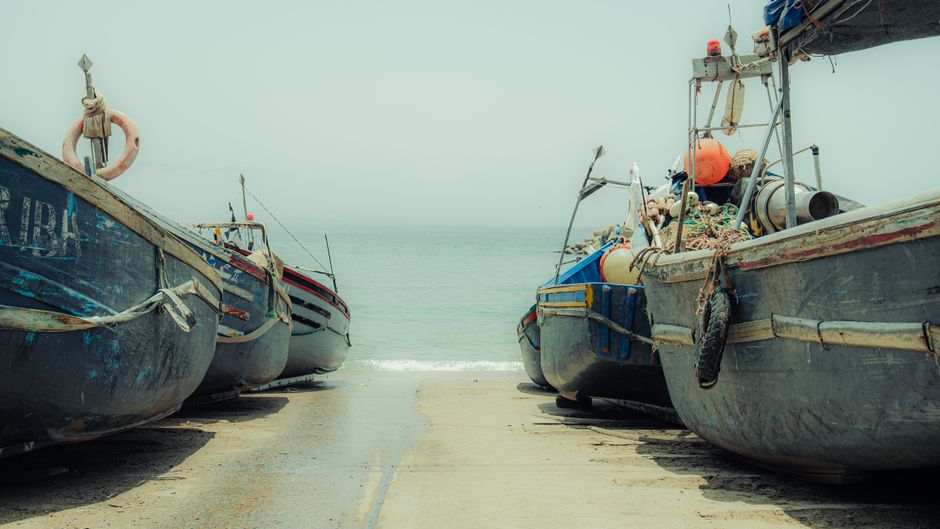
With several launch points including Steinhatchee, Perry, and Keaton Beach, accessing the rich fishing grounds of Big Bend is convenient. "Each launch point has its charm and unique access to different fishing environments," stated local guide Tom Robinson. Moreover, many anglers choose to explore by kayak or skiff, lending itself to an immersive experience of the region.
**Final Thoughts**
Ultimately, the Big Bend area offers a fishing adventure unlike any in Florida. Its mix of tranquility, diverse ecosystems, and prolific fisheries makes it a fishermen's haven. "Whether you’re looking to target redfish, seatrout, or simply enjoy the natural beauty, Big Bend won’t disappoint," said Robinson. As more anglers discover this hidden gem, the importance of conservation and responsible fishing in these pristine waters remains paramount to preserving its ecological balance for generations to come.