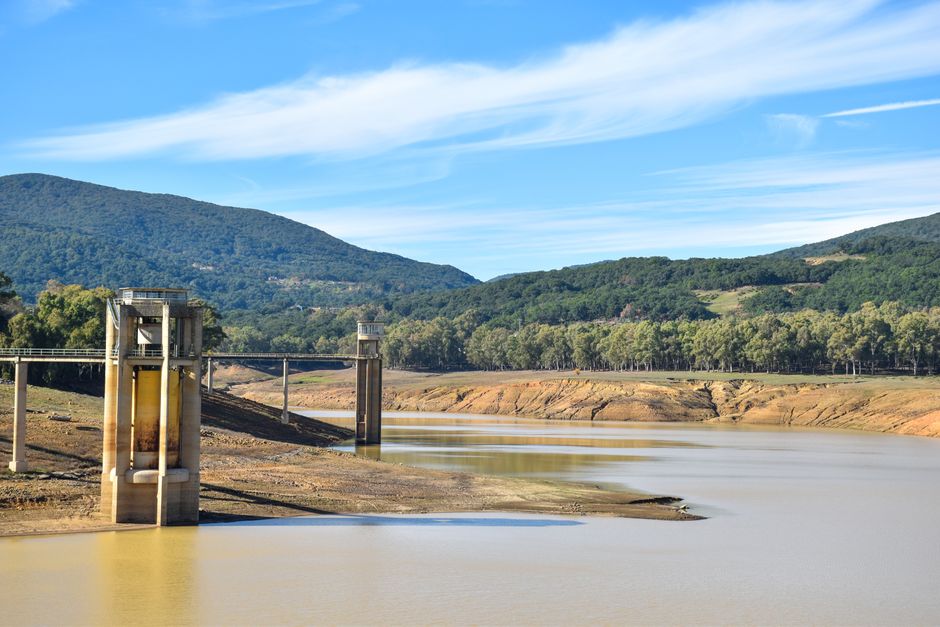
A grinding drought across southeastern Colorado is wiping out fisheries faster than they can recover, and wildlife managers are now urging anglers to take as many fish as they can before the water disappears for good.
Colorado Parks and Wildlife (CPW) declared an emergency public fish salvage at Adobe Creek Reservoir — known locally as Blue Lake — and at Thurston Reservoir, both near Lamar, running from Friday 12 June through July 15. When the salvage ends, public access to both will close permanently. The Fort Lyon Canal Company, which holds the water, told CPW it would not renew the recreational lease, ending decades of access for anglers who have travelled from across Colorado and Kansas to fish for catfish, crappie, saugeye and walleye there.
To empty the reservoirs of fish before the lease lapses, CPW has thrown out the normal rule book. The salvage is authorized under Parks and Wildlife Commission Regulation 104.G, which permits expanded methods of take. "We are allowing all legal angling methods, including all net and trap types, snagging and gigs, archery equipment, unlimited rods, trot lines and jugs," said Todd Marriott, CPW Area Wildlife Manager. "Because the window to salvage these fish is limited, we want to maximize the ability of sportspeople to remove fish for their benefit while helping utilize the resource." CPW crews are also netting sportfish to relocate to other reservoirs in the southeast, and the agency is weighing the removal of the boat ramp and other infrastructure once the lease ends.
The twin closures follow a near-identical emergency declared just weeks earlier. On 1 June, CPW opened a public salvage at Nee Noshe Reservoir, about 12 miles south of Eads on the Queens State Wildlife Area, after the reservoir began drying from drought and reduced operations with no realistic prospect of refilling.
"Nee Noshe Reservoir is experiencing the effects of ongoing drought and reduced reservoir operations, and current conditions indicate the reservoir is unlikely to refill in the foreseeable future," said Jim Ramsay, CPW Aquatic Biologist. "With the potential loss of the fishery, this public salvage gives anglers an opportunity to utilize the resource while conditions still allow." Nee Noshe has historically held walleye, saugeye, wiper, channel catfish, crappie and largemouth bass.
The rules vary by water. At Nee Noshe, the standard size, bag and possession limits are suspended but anglers may use only methods already legal there. At Adobe Creek and Thurston, the salvage opens the door to nets, traps, snagging, gigs, archery gear, trot lines and jugs. A valid Colorado fishing license is still required at each.
For now, CPW says it will post any changes — including the close of each salvage — on signs at the reservoirs and through its own channels. The message to anglers in the meantime is unusually direct: the fish are there, the water is going, and the time to get them is now.