California's salmon fishery is open. That was supposed to be the good news. Two months into the season, the people who fish it are describing something closer to a wake.
Chinook fishing was called off entirely for California's commercial fleet from 2023, and nearly as long for recreational anglers. Federal managers voted in April to let both resume this year. What nobody switched back on was the infrastructure that made a salmon season work.
"We're losing marinas. We're losing tackle stores. We're losing bait shops. We're also losing infrastructure out on the ocean at the ports for gas pumps ... everything's going away because salmon is the driver," James Stone told Inside Climate News. Stone, 46, is a lifelong fisherman based in Yuba City and board president of the NorCal Guides and Sportsmen's Association, which has 4,000 members and represents more than 500 businesses.
His point is that salmon is not one fishery among many. It is the one that pays for the rest. Without it, "people won't always spend the money for other species or for other recreational activities," Stone said. "Salmon is what drives the fishing industry."
The standard advice through the closure was to fish something else. Cameron Smith, a 70-year-old captain out of Benicia with more than 20 years commercial fishing behind him, says that advice never survived contact with the fuel bill. Crews tried Dungeness crab and cod; between fuel costs and inflation, it did not add up.
"They can't pivot. There's nothing to pivot to," Smith said.
The numbers behind the industry explain why the losses ripple so far. California's salmon industry generates about $1.4 billion in economic activity and 23,000 jobs in a normal season, according to the Golden State Salmon Association, and contributes roughly $700 million and more than 10,000 jobs in Oregon. NOAA announced $123.6 million in fishery disaster funding on June 17, of which $21.3 million went to Sacramento River and Klamath River fall Chinook ocean and inland fisheries, NOAA Fisheries West Coast Region spokesman Michael Milstein confirmed. California fisheries received roughly the same amount, about $20 million, back in 2024.
The landings history is stark. Pacific Fishery Management Council data show California commercial trolling catches running from 518,000 fish in the mid-1970s to over 765,000 in the early 1980s. The 2019 catch was 271,489 - about half the bottom of that old range - and the three years before it ran between roughly 42,000 and 78,000 fish.
This year's season also comes with strings. The California Department of Fish and Wildlife warned in its regulatory advisory that it may cut bag limits further or close the fishery on scheduled open days if the summer harvest limit is approached.
Drought, dams, river diversions and development have all been blamed for the long decline. Nate Mantua, who leads the Landscape and Seascape Ecology Team at NOAA Fisheries' Southwest Fisheries Science Center, argues the ocean side of the problem is now doing as much damage as the freshwater side.
"The other piece of the climate puzzle is the Pacific Ocean has been warming. We had a period from 2014 to 2016 that is now referred to as the warm 'Blob' period, where ocean temperatures along California were at record highs," Mantua said. Globally averaged ocean surface temperatures off central and southern California hit record highs again earlier in 2026.
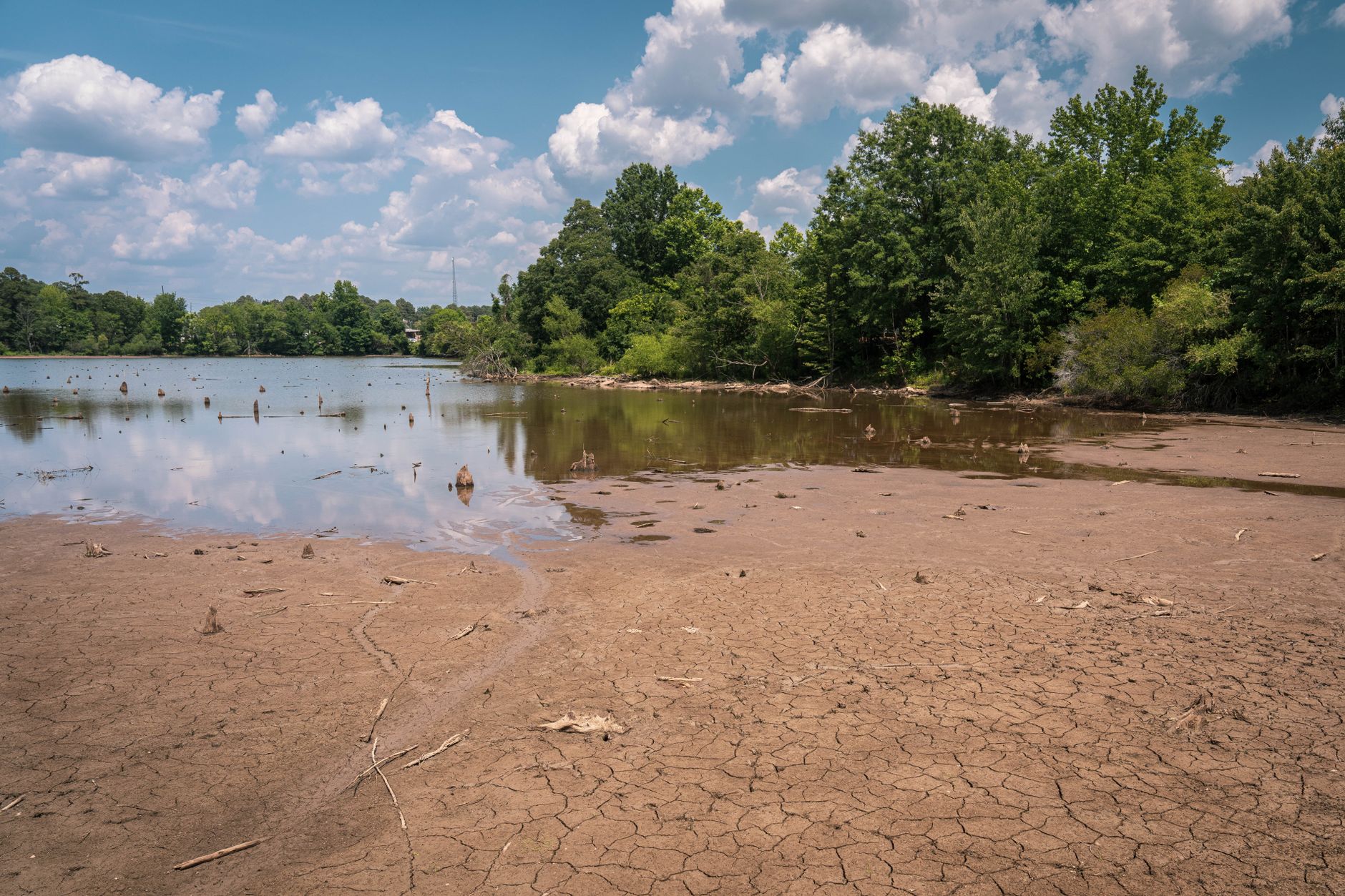
"This year we're in another very warm run of ocean temperatures off California, where our salmon spend most of their life," he said. "So the warming ocean is putting the squeeze on the suitability of their ocean habitat at the same time that the warming terrestrial [and] watershed areas are putting the squeeze on their freshwater habitat."
The forecast is not helping. Federal scientists now put the chance of a 'super' El Nino at 81 percent, and researchers are openly comparing it to 2015-16.
"I think we're likely to break global temperature records with this next El Nino," said Malin Pinsky, professor of ecology and evolutionary biology at UC Santa Cruz, speaking to the Los Angeles Times. "So it's very concerning and it is likely to have very big impacts on marine fisheries." Marine species, he noted, are shifting their ranges five to 10 times faster than land species.
That last El Nino is the reason the warning lands. A harmful algal bloom of Pseudo-nitzschia contaminated Dungeness crab with domoic acid, regulators squeezed a seven-month season down to about two, 71 percent of California Dungeness boats stopped fishing and more than 200 jobs went. Market squid, then the state's largest commercial fishery by volume, moved north to Oregon and never fully came back.
Sunny Jardine, a resource and environmental economist at the University of Washington, describes the structural trap: fleets build their year around a handful of species with fixed seasons, and a delayed or cancelled opening throws the whole schedule. She called Dungeness crab, the most lucrative catch of the year for many boats, a kind of "gilded trap."
In 2015-16, the boats with the deepest pockets simply steamed further north to find crab. With fuel where it is now, even those fleets may think twice.
Stone and Smith both argue the reopening is not the fix it was sold as. What they want is habitat, a change in how California and federal agencies manage water, and money that reaches fisheries before the next closure rather than after it. Governor Gavin Newsom's administration has pointed to progress - infrastructure removal, salmon tagging, reintroduction of Chinook to some waterways - while acknowledging in its own strategy document that populations once estimated in the millions are now a fraction of that and lean heavily on hatcheries.
The season is open. The docks that used to service it are not.