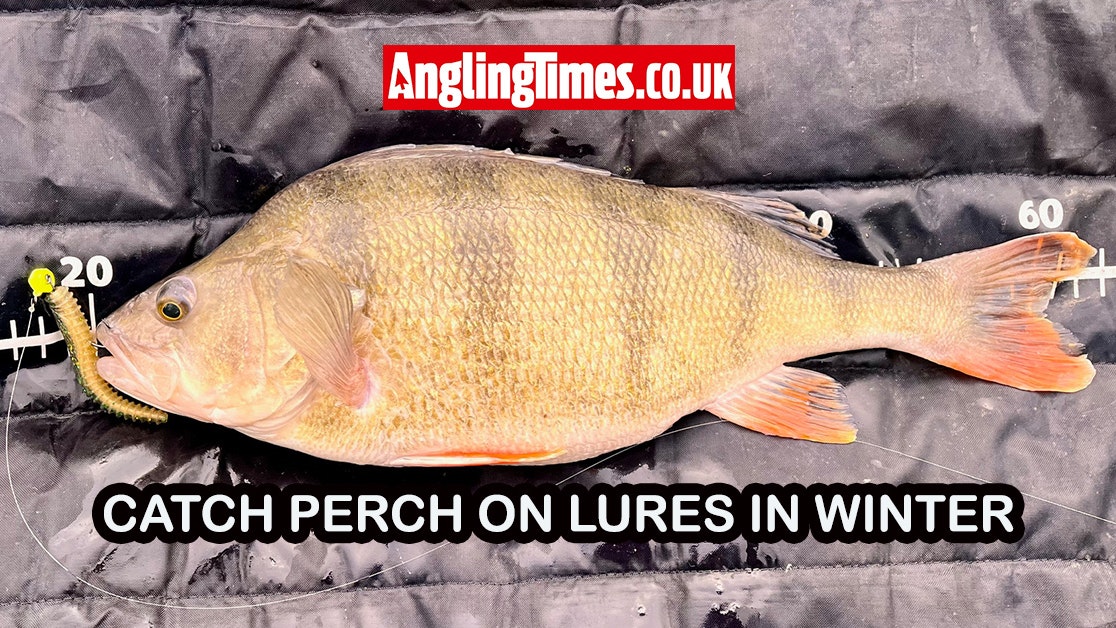
Perch are among the few fish species that continue to actively feed throughout the winter months. Their predatory nature means that, even on the coldest of days, anglers have the chance to catch them if they choose the right techniques and locations.
Lure fishing stands out in winter for its efficiency, allowing anglers to navigate various waters without needing extensive gear. This method not only keeps you mobile but also increases your chances of landing a noteworthy catch, even when time is limited.
"First and foremost, perch are predators," said Darren Starkey, a seasoned angler. He explained that whether you’re targeting rivers, canals, or still waters, understanding the whereabouts of prey fish is crucial. In his local haunts around Yorkshire, Starkey recommends focusing on river bends.
"On running water, I like to look for big bends in the river," Starkey noted. He emphasizes the importance of these areas, stating that fluctuating winter water levels often lead prey fish to settle into slack-water zones that provide shelter and food.
In canal systems, key structures such as locks, overflows, permanently moored boats, and bridges often harbor decent perch. Starkey reflected on his experiences, sharing, "Knowing when to stay put in an area or move is something that really comes down to experience."
"Feeding windows can be extremely short in winter," he warned. Anglers may find a swim seemingly lifeless for hours before it suddenly bursts with activity. Starkey is convinced that perch are often present but simply unwilling to feed during certain periods.
Conversely, he mentioned that in unfamiliar waters, staying mobile and exploring various spots becomes essential.
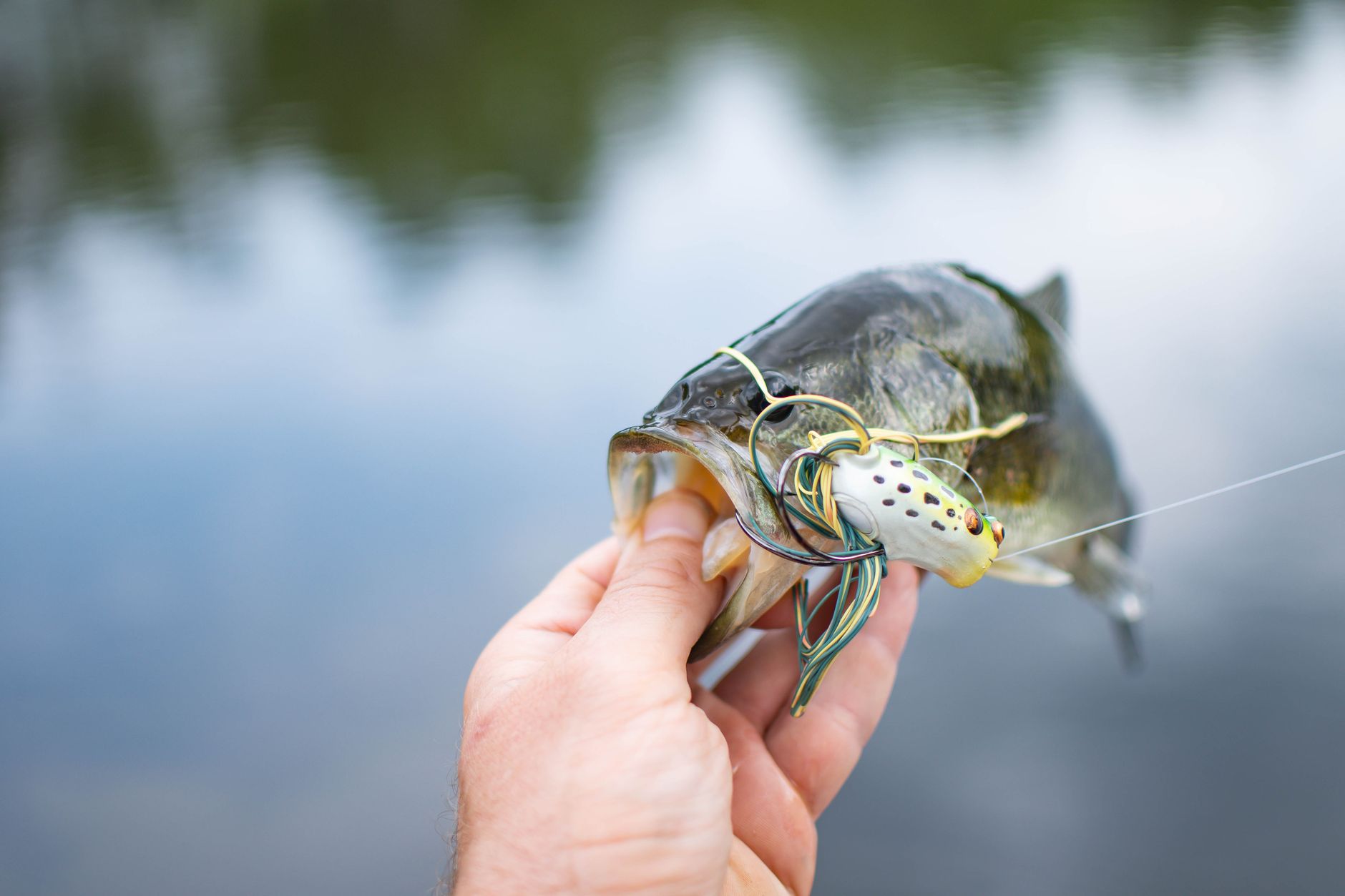
```Some anglers scale down their tackle in the winter, but I prefer to target larger specimens. A bigger lure can often generate more interest," Starkey stated. He advocates starting with a lure size of around four inches (12 cm) since this often represents a more substantial meal for the fish.
"I’ve lost count of how many perch I’ve caught that were actually smaller than the lure I was using," he added, completely unfazed by the possible notion that bigger [lures](/gear/fishing-lure) might scare off fish.
When it comes to lure color, Starkey follows a straightforward strategy. "I like to keep it simple and stick to three main types – dark, natural, and bright," he advised. In murky water conditions, he opts for dark lures that create a more pronounced silhouette. On bright days, he recommends natural-colored lures that imitate common bait fish.
"On dull days, I’ll often reach for a bright fire-tiger or pink lure," Starkey explained, noting that pink can sometimes be surprisingly effective. He acknowledged that perch don't always adhere to traditional color rules, highlighting the need for flexibility in selection.

The expert suggested that keeping a variety of lures on hand can be beneficial. He noted, "Some days, it’s the unexpected colors that really make the difference."
Overall, Starkey's insights provide a solid foundation for those looking to enhance their winter perch fishing experience. By understanding the patterns of their prey, selecting the right lure size, and adapting to changing conditions, anglers can increase their chances of success this winter.