Fifty-two violations from thirty boardings is not a sampling result. It is closer to a description of normal practice.
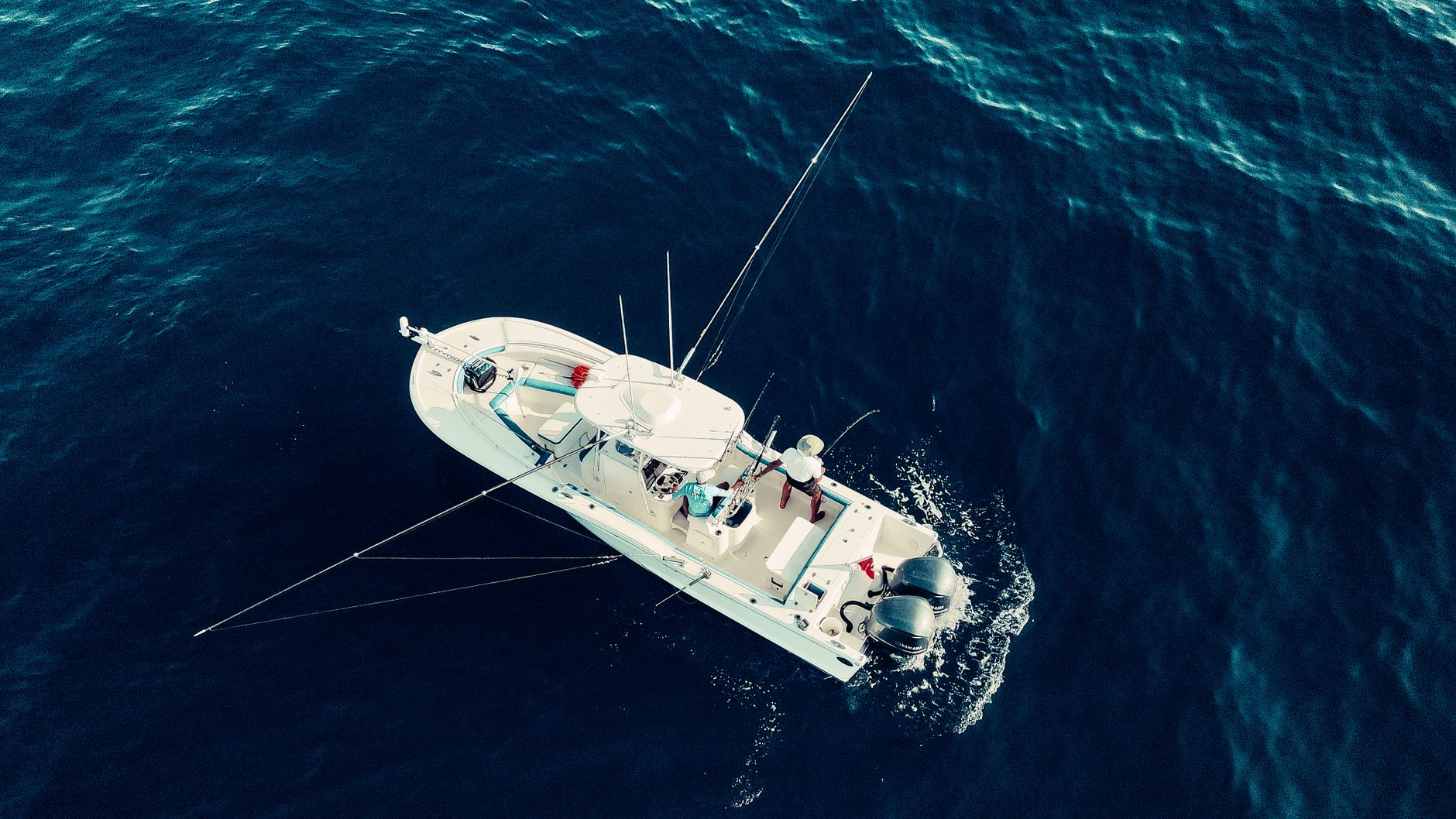
That was the return from this summer's Operation North Pacific Guard, the Canadian-led high-seas patrol that has run each year since 2019. Between May and July, officers from Fisheries and Oceans Canada worked from the Canadian Coast Guard Ship Sir Wilfrid Laurier across more than 15,000 kilometres of international waters, boarding fishing vessels and testing them against the rules of the regional bodies that govern those grounds.
One fishery, and one animal, accounted for most of it.
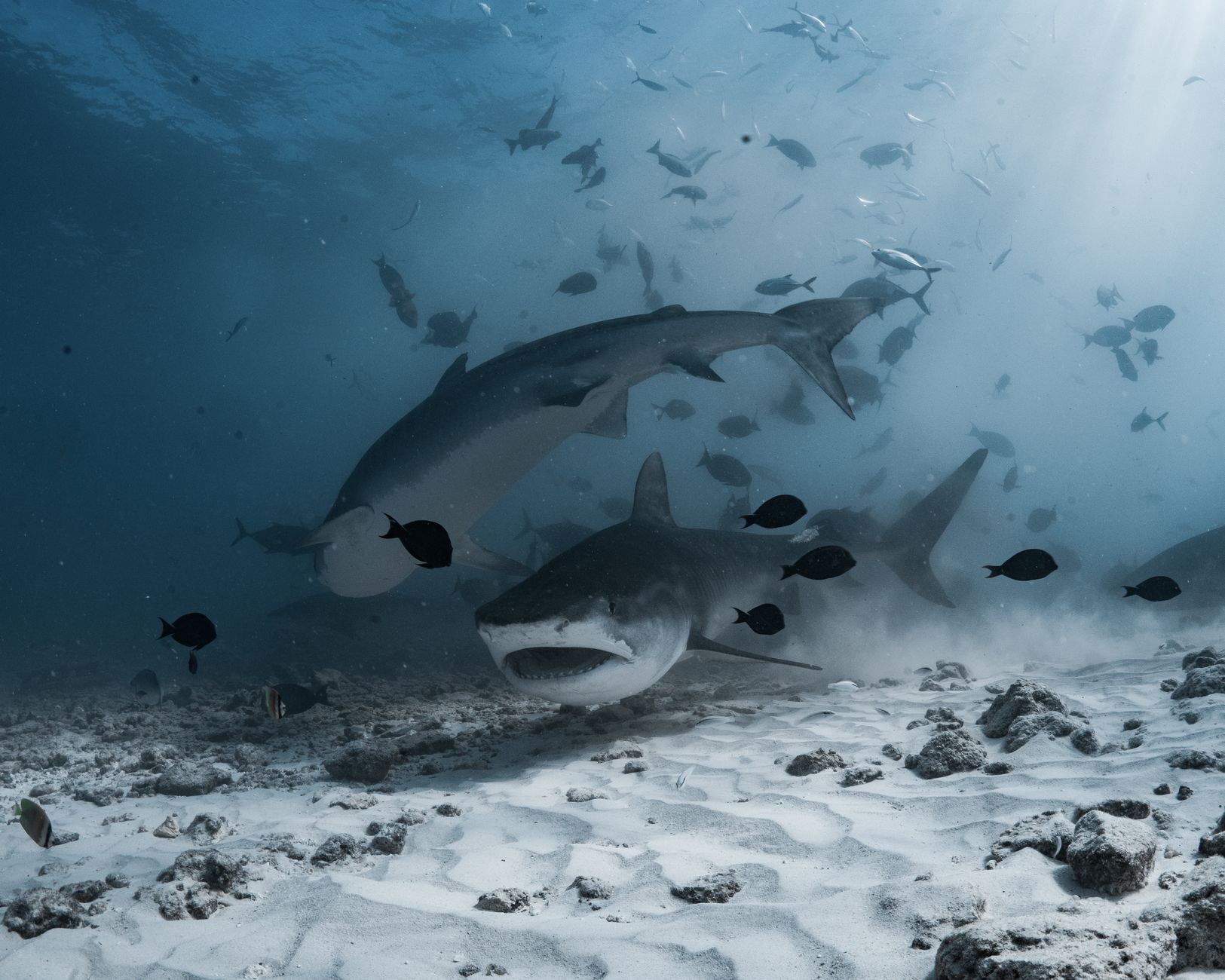
"Canada's inspection work detected a significant number of violations within the tuna fishery, specifically targeting shark," said Sean Wheeler, the agency's chief of international operations for conservation and protection, speaking to CBC News.
Wheeler did not present it as new. "This is consistent with a couple of years of violations that we've seen around shark finning practices," he said, listing unreported bycatch and discard breaches alongside it as raising "concern about the sustainability of these fisheries, and also the impact on things like sharks and dolphins."
Finning strips the fins and dumps the animal. Wheeler said inspectors also found sharks going unlogged after capture, which is the administrative half of the same problem - what is never recorded is difficult to enforce against. Aerial patrols earlier in the operation had already reported suspected finning, dolphin harpooning, salmon retention, pollution and vessel-marking breaches.
By comparison, the equivalent 2025 patrol identified 39 potential incidents of illegal, unreported and unregulated fishing.
Conditions for the crews drew their own findings: excessive hours, poor hygiene, no proper sleeping areas, and identity documents withheld from the workers who owned them.
Canada would not name the flag states, saying only that they were nations that ordinarily fish those waters. The silence reflects how the system works. Canadian officers board and record; they do not charge. Files go to the flag state, and the most serious go to international fisheries organisations with the power to ban vessels from fishing.
Wheeler says that chain produces outcomes. "We have seen from our previous year's operation significant fines now being implemented, and including up to jail time for a Canadian investigation that was conducted last year," he said.
"These are very important forage fish for the entire ecosystem," Wheeler said. "We need to work with our science colleagues to determine if this is a seasonality change, if there's been a shift in migration pattern, or if there's a larger ecosystem impact happening."
Those three explanations carry very different consequences, and an enforcement patrol cannot separate them.
Inspectors from the United States, Japan and South Korea took part. The Japanese side of the partnership expanded most this year, according to Peter Lambertucci, national chief enforcement officer for Fisheries and Oceans Canada, who pointed to two new memorandums of co-operation on information sharing.
"Japan sent officers to train with our Canadian officers in Victoria. We held a joint workshop in Tokyo with the U.S. and Japanese partners, and Japan deployed officers to our aircraft," Lambertucci said. "In addition, for the first time, Japan hosted one of our fishery officers aboard their patrol vessel."
Nineteen Canadian officers were deployed, four of them to the aerial surveillance programme based in Hokkaido, where a long-range aircraft flies daily patrols.
Fisheries Minister Joanne Thompson framed the mission around dependence rather than enforcement. "Healthy fish stocks are crucial for food security, economic resilience, and the livelihoods of coastal and Indigenous communities in Canada, and around the world," she said, describing Canada as "a trusted convening partner to combat illegal and unsustainable fishing practices."