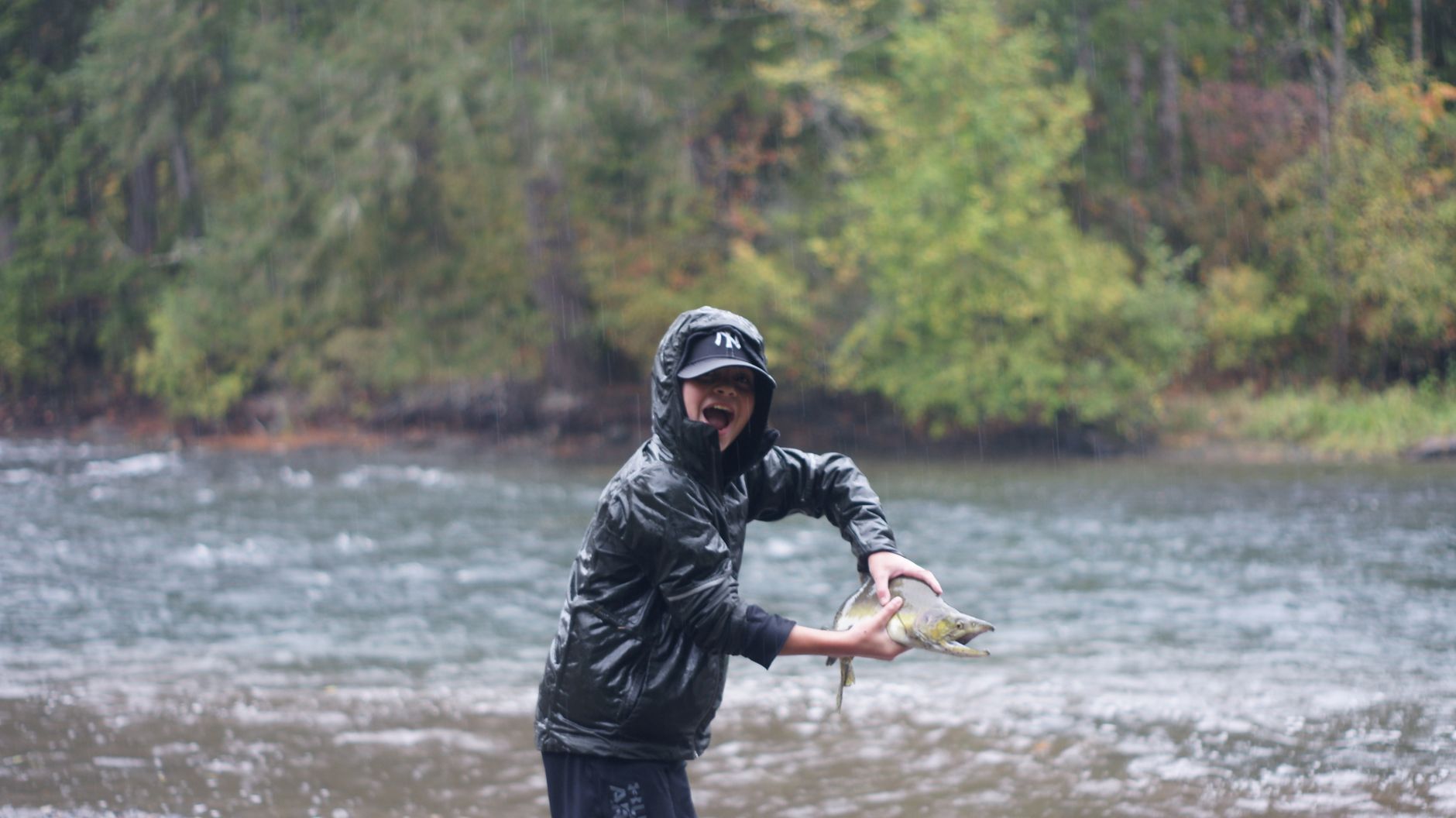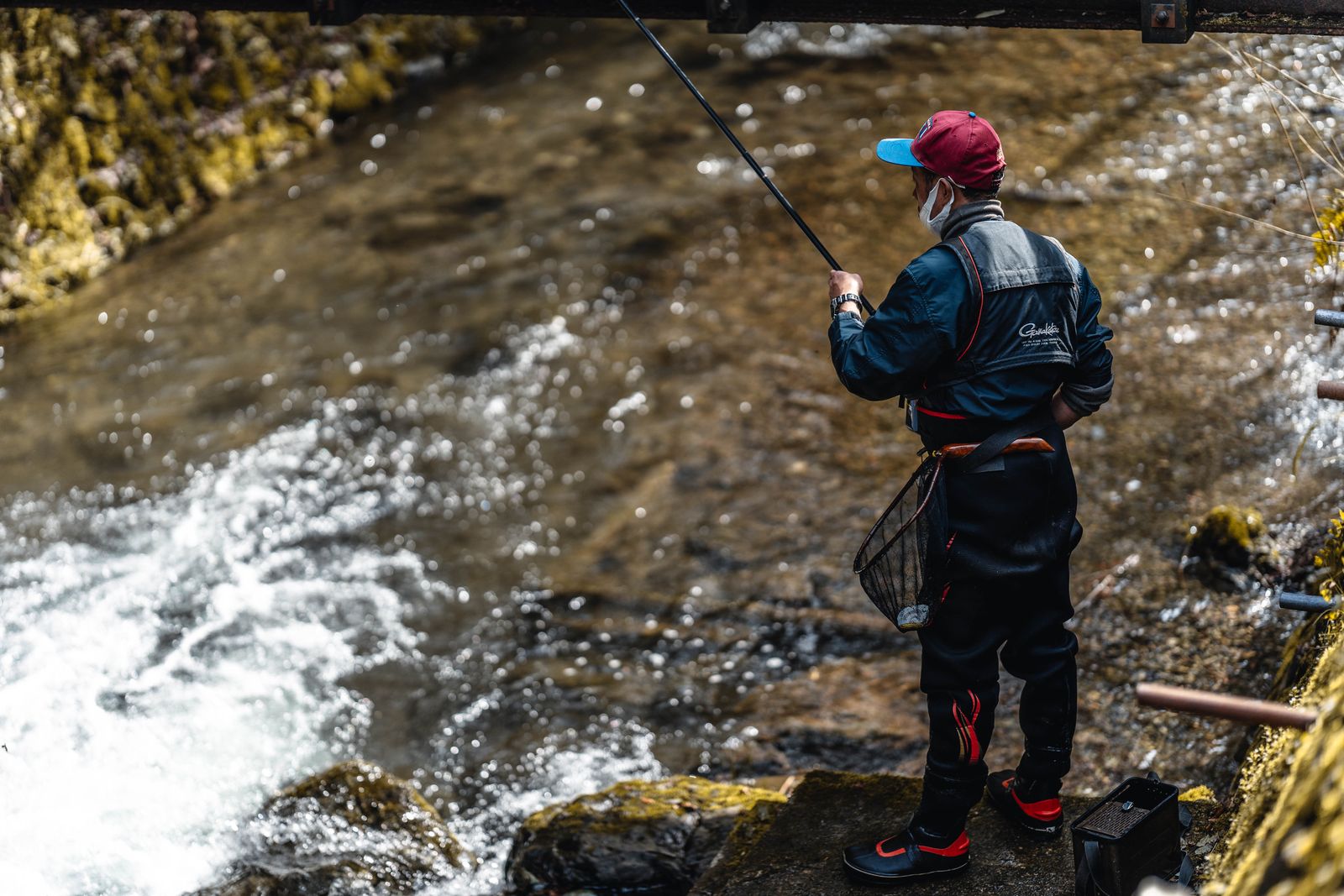
A fishing hole below a salmon hatchery on the Oregon Coast has produced a court case that could cost three anglers $100,000 apiece, and the argument is not about fish. It is about whether the river is legally a river.
Property owners Gary Stover, Nicholas Stover and ACC Outdoors LLC sued Andrew Hunter, Anthony Collins and Kent Floro in June over a section of Three Rivers near Hebo. The owners' position is that their deeds run to the centre line of the riverbed and the anglers were on their land. The anglers' position is that Three Rivers is navigable under Oregon's 1859 statehood terms, making the bed public. Tillamook County Court hears it in November.
The water in question is just downstream of Cedar Creek Fish Hatchery, where returning hatchery salmon stack up. Public ground borders the hole itself. Immediately below it, a wire strung bank to bank carries No Trespassing signs and promises of civil prosecution.
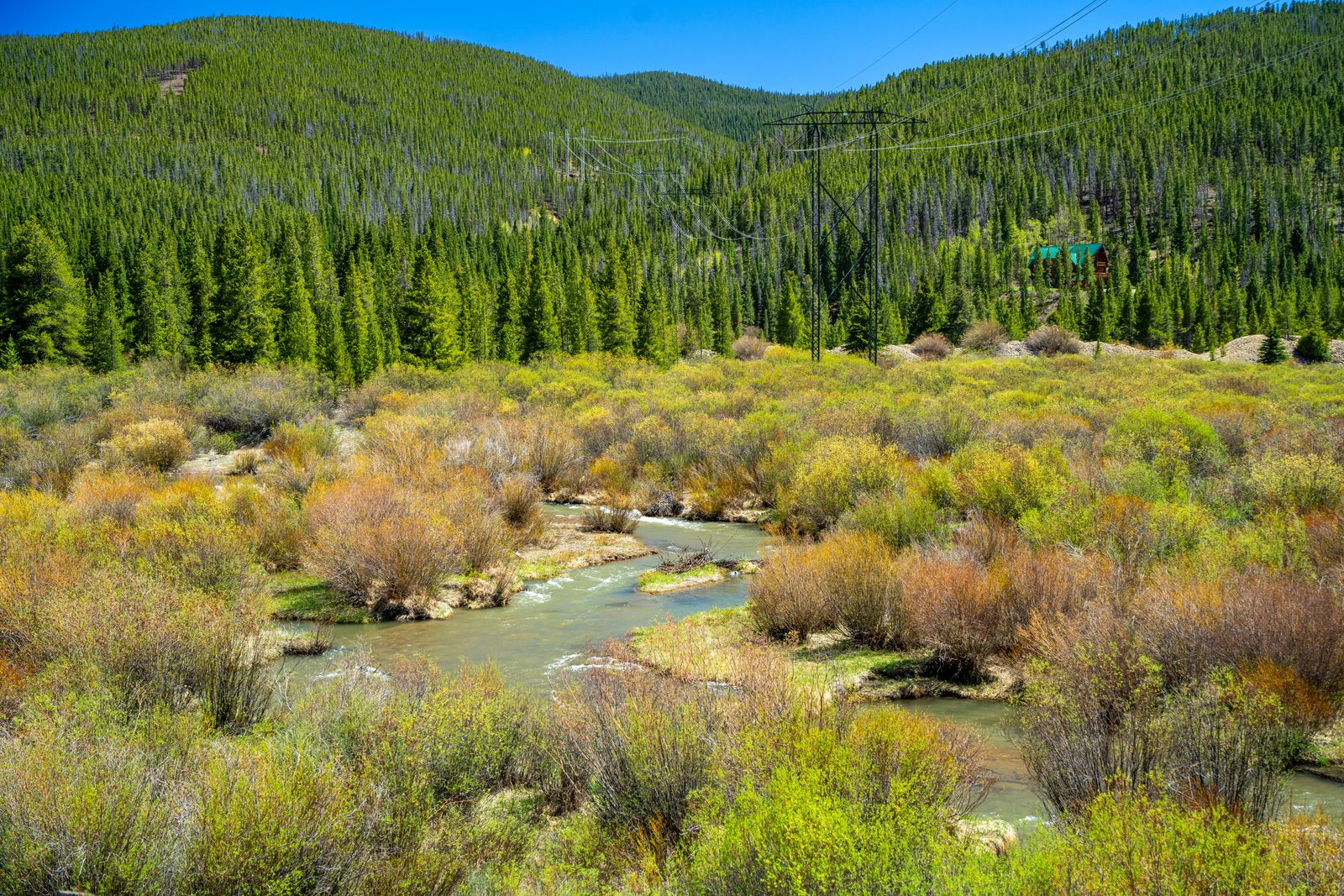
Wesley, a Hebo angler who would only give Oregon Public Broadcasting his first name given the mood locally, knows two of the defendants and summarised the working rule anglers rely on.
"You can walk the river up and down, as long as you're in the water, and fish wherever you'd like," he said.
According to the lawsuit, the anglers were told they were trespassing, declined to leave, and indicated they would return.
Navigability is the whole case. Waterways usable for commerce and transport at statehood became state-owned and public, but Oregon never produced the list. Only 14 rivers carry an official navigable designation. Around 100,000 miles of waterway have none - the Deschutes, fished by tens of thousands annually, among them.
The Oregon State Marine Board frames the right and its boundary in the same breath: "You have the right to recreate on state-owned ('navigable') waterways, including submerged and submersible lands." The public trust doctrine, it adds, "does not permit trespassing on private land", and crossing private ground to reach public water requires permission the landowner is under no obligation to give.
Three Rivers is the awkward middle case, and it changes with the calendar. Through summer it is pools linked by gravel bars; you cannot paddle it without stepping onto the bed, which is precisely the act in dispute. The plaintiffs have a history expert ready to testify no navigable use is documented before statehood. Come winter the flow triples and a boat passes cleanly. Anglers counter that trappers and fishermen worked these banks long before 1859, recorded or not.
The Association of Northwest Steelheaders has pushed at this for thirty years, winning navigability studies from the State Land Board on the Sandy, John Day and Trask, and carrying the Oswego Lake fight to the Oregon Supreme Court in 2017. The court returned the case to a lower court but held that if Oswego Lake is "among the navigable waterways that the state holds in trust for the public", Lake Oswego cannot control or block public use.
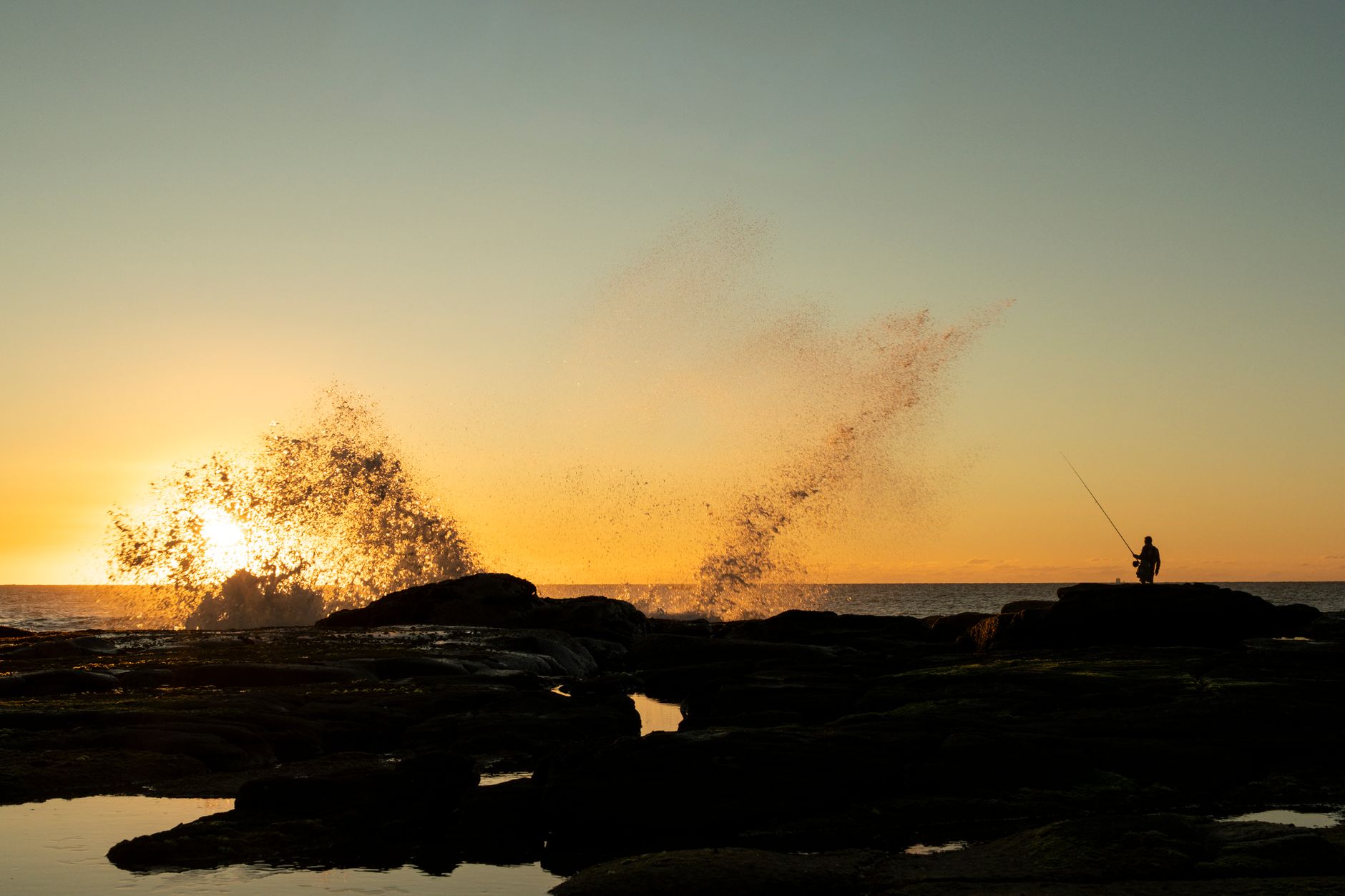
The group's James Adkins, casting a spinner on the Clackamas in July, explained why anglers keep ending up in grey areas: fishing well means covering ground.
"In a day, if you're really looking to fish as much water as you can, you might hike a few miles up and down the river," Adkins told OPB. "Unless you have your phone and an app that's telling you, or you've really studied the map, you might not know."
The standard fallback - stay on the bed below the high-water mark - holds on big water and fails on small.
"Guns can get pulled," Adkins said. "But it's usually yelling, harassment." He tells anglers to call the police.
Police involvement is not guaranteed either. The Hebo landowners say they approached the sheriff and district attorney about trespassers without result.
Oregon does have an official answer, issued in 2005 by Attorney General Hardy Myers and built on Supreme Court decisions from 1869 to 1936: the public may use a waterway's surface unless it lacks the length, width or depth for a boat to pass. It is 33 pages long, which is 33 pages more than anyone can consult standing in waders.
Every designation makes someone unhappy, which is why none are being made. Until that changes, Oregon's river access is being settled in courtrooms.